
Netherlands Withdraws from Eurovision 2027 Over Israel's Continued Participation
The Dutch public broadcaster AVROTROS has announced a boycott of the 2027 Eurovision Song Contest, citing concerns about the competition's neutrality as tensions over Israel's involvement remain unresolved.
By Hushread Stories, written with AI from 18 outlets · First published 24 Aug 2026
In brief
- The Netherlands has officially withdrawn from the 2027 Eurovision Song Contest due to concerns over Israel's participation amid ongoing conflict.
- AVROTROS, the Dutch public broadcaster, cited the contest's compromised neutrality as the primary reason for its boycott decision.
- This marks the second consecutive year that the Netherlands has opted out of Eurovision over political concerns related to Israel.
- Other countries, including Iceland, Spain, Ireland, and Slovenia, are also considering boycotts for similar reasons regarding the contest's impartiality.
- The 2027 Eurovision will take place in Burgas, Bulgaria, as preparations continue despite the absence of the Netherlands.

Timeline · 5 moments
EBU rule changes fail to resolve backlash over Israel
in.gr ↗AVROTROS: Event 'no longer neutral,' other countries may join boycott
Al Jazeera ↗Netherlands cites Israel's actions in Gaza as boycott reason
BirGün ↗Dutch broadcaster withdraws over Israel's involvement and Gaza tensions
Sky News ↗Dutch broadcaster AVROTROS announces Eurovision 2027 boycott
SVT ↗How it started
Concerns about the Eurovision Song Contest's neutrality have grown over the past two years, especially regarding Israel's continued participation during the ongoing Gaza conflict. AVROTROS, the Dutch public broadcaster, first withdrew from the contest in 2026 as a protest against what it viewed as the event's compromised impartiality.
This decision was not made lightly. According to BirGün and other outlets, the Dutch broadcaster pointed directly to Israel's military actions in Gaza as a key reason for their absence. The move reflected broader debates within the Netherlands and across Europe about the role of politics in cultural events.
How it unfolded
On August 24, 2026, AVROTROS officially announced it would not send a Dutch entry to the 2027 Eurovision Song Contest. Reports from SVT, Sky News, and others confirmed that the broadcaster cited concerns over the contest's neutrality and highlighted the divisive impact of international conflicts, particularly the situation in Gaza.
The decision quickly drew attention. According to the BBC, AVROTROS said the ongoing military conflict involving Israel was a primary factor. Al Jazeera and DW Türkçe noted that the Netherlands was not alone: other countries such as Iceland, Spain, Ireland, and Slovenia have also withdrawn or considered boycotts over similar concerns.
Within the Netherlands, the move sparked debate. According to nu.nl and Telegraaf, there was disagreement inside AVROTROS itself, with some prominent figures questioning who should have the authority to decide on such a significant step for the country. Rita Verdonk, a well-known Dutch politician, publicly criticized the broadcaster's decision.
Meanwhile, preparations for the 2027 contest continued. Franceinfo and DIE WELT reported that the next Eurovision will be held in Burgas, Bulgaria, following a Bulgarian win in 2026. The European Broadcasting Union made some changes to the contest's rules, but, according to in.gr, these were not enough to address the backlash over Israel's participation.
Where it stands
The Netherlands will not participate in the 2027 Eurovision Song Contest. AVROTROS has confirmed its decision, making this the second year in a row the country has opted out over neutrality concerns related to Israel.
The debate over Eurovision's political entanglements continues, both within the Netherlands and among other European broadcasters. For now, the Dutch absence is set, and the contest will go ahead in Bulgaria without them.
What to watch
It remains to be seen how many other countries might follow the Dutch example and withdraw from future contests. Discussions continue inside Dutch broadcasting circles about who should make decisions on such boycotts and whether the Netherlands will return to Eurovision if the political situation changes.
More in Entertainment
All →
RJ Mitte Dies at 34 as Breaking Bad Colleagues Pay Tribute
The actor and disability rights advocate is being remembered by colleagues, while Brownsville prepares a public celebration of his life following confirmation of his death by suicide.
69 sources · over 6 days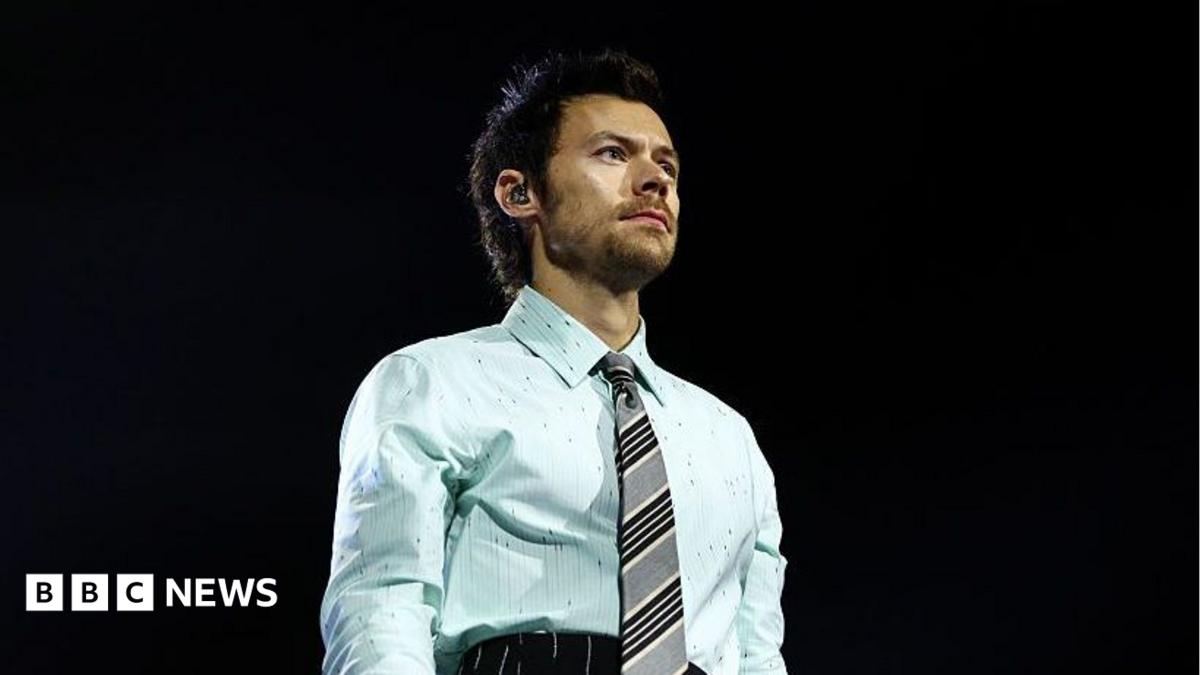
Harry Styles Debuts Liam Payne Tribute Song on Second Death Anniversary
Styles performed the unreleased What Is Enough at Madison Square Garden, marking two years since his former One Direction bandmate's death with a song written in his memory.
17 sources · today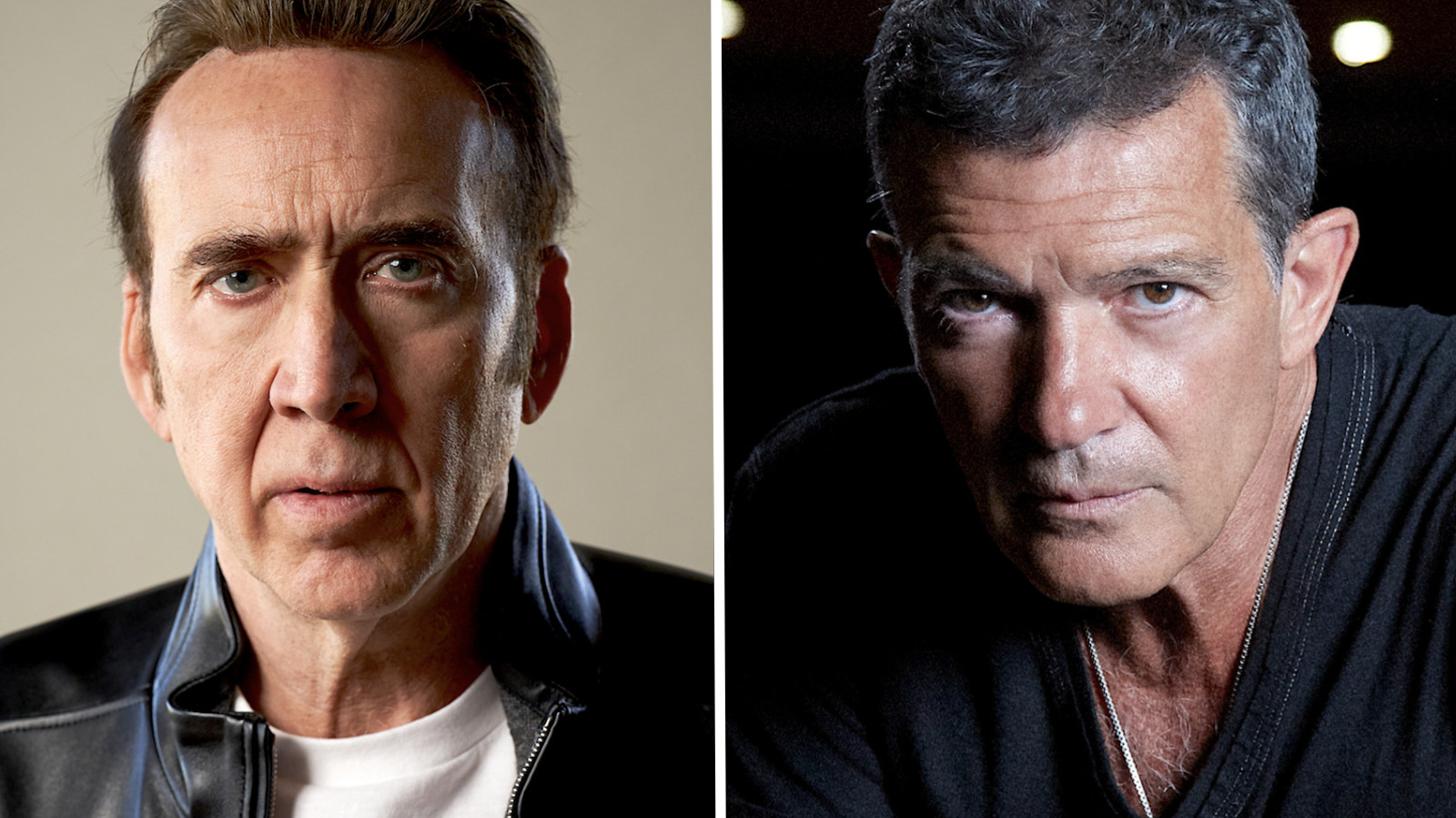
Antonio Banderas Joins Nicolas Cage to Lead True Detective Season 5
HBO's crime anthology has confirmed its next leading pair, with Antonio Banderas joining Nicolas Cage as Issa López prepares a fifth season scheduled to begin production in 2027.
15 sources · over 2 days