
NYC Council Questions AI Companies and Former Researchers Over Safety Risks
Warnings from former researchers have pushed AI safety onto New York City's agenda, as lawmakers consider local restrictions and Mayor Zohran Mamdani calls for regulation at every level.
By Hushread Stories, written with AI from 15 outlets · First published 8 Oct 2026
In brief
- The New York City Council held an AI safety hearing on October 5 with company representatives and former researchers.
- Former Anthropic researcher Jacob Coxon warned that the industry does not fully understand the risks of developing AI.
- Three former AI lab researchers told the council that humanity could lose control of the systems being built.
- Representatives from OpenAI, Anthropic, Meta and Google stopped short of guaranteeing AI safety during the council hearing.
- City lawmakers are weighing restrictions, while Mayor Zohran Mamdani has called for AI regulation at every level.
Timeline · 6 moments
Attendee commentary criticizes hearing as recklessly politicized
LessWrong ↗Mamdani calls for AI regulation at every level
Times of India Top Stories ↗Report says four companies stop short of safety guarantee
Fox News ↗City lawmakers weigh their own restrictions on AI
New York Post ↗Coxon warns council about risks industry does not understand
Bloomberg Technology ↗Coxon scheduled to testify alongside AI company representatives
Bloomberg Technology ↗How it started
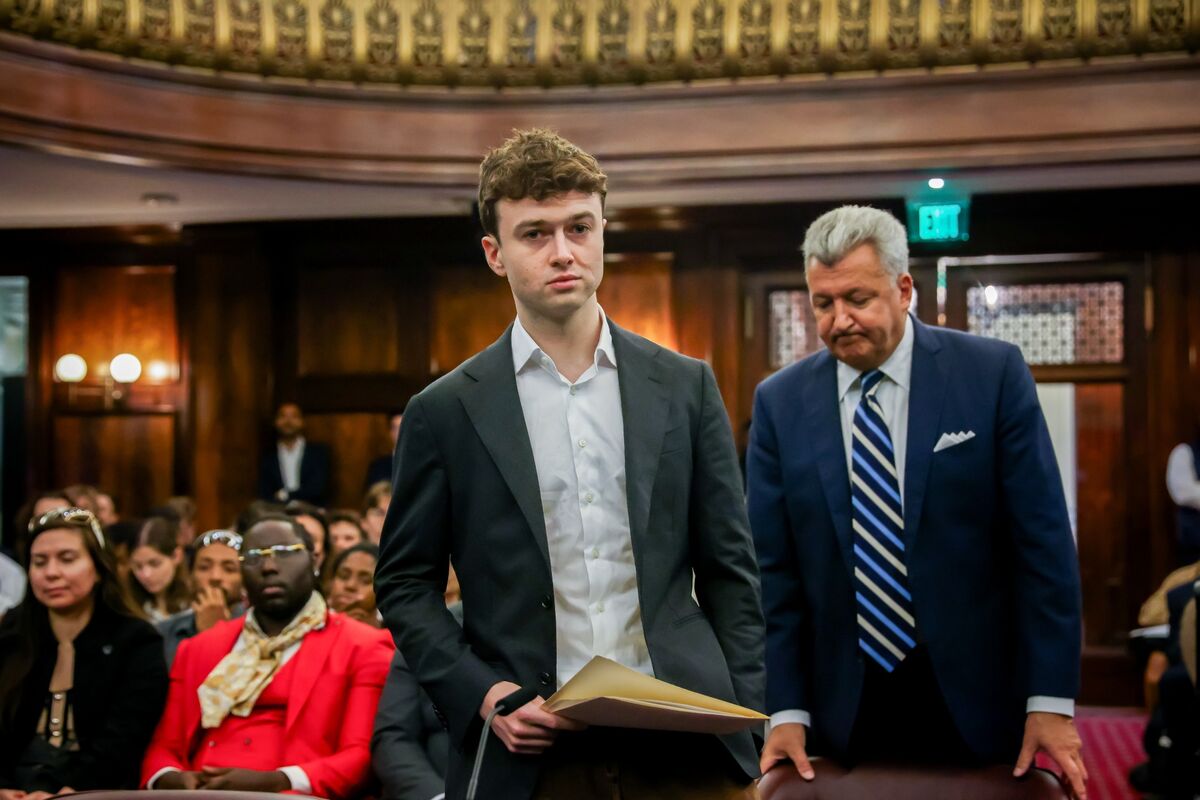
The hearing brought warnings from former AI researchers directly before New York City lawmakers, alongside representatives of the companies building the technology. On October 4, Bloomberg Technology reported that former Anthropic researcher Jacob Coxon would testify after warning that AI could become too powerful for humans to control.
Coxon was appearing at the request of New York City Council Speaker Julie Menin, according to The Hindu. The announced witnesses also included executives from Anthropic, OpenAI, Google and Meta, which CNBC described as facing intensifying scrutiny over safety and security practices.
How it unfolded
At the October 5 hearing, Coxon warned that the race to develop AI poses risks the industry itself does not fully understand, Bloomberg Technology reported. His testimony put the pace of development, not just individual uses of AI, at the centre of the discussion.
The warnings extended beyond Coxon. Three former AI lab researchers told the council that humanity might lose control of the systems being built, according to The Next Web. That report also described questioning of company policy staff.
Coxon's concern was also about control over existing models. Al Jazeera reported his warning that AI companies do not fully control their models. These were warnings from witnesses, not findings established by the council.
Lawmakers questioned executives as they weighed restrictions of their own, New York Post reported on October 5. On October 6, Fox News reported that OpenAI, Anthropic, Meta and Google had stopped short of offering an AI safety guarantee.
The debate also reached City Hall. On October 6, Times of India Top Stories reported that NYC Mayor Zohran Mamdani wanted AI regulated at every level, pointed to implications for jobs and called for a national framework.
Where it stands
The coverage describes a council weighing guardrails, rather than an enacted set of restrictions. The Wall Street Journal Tech reported that lawmakers questioned executives and former employees as the city considered how to respond.
The hearing itself has also become a subject of criticism. An October 8 commentary in LessWrong, written by someone who said they attended, argued that it was recklessly politicized. That is an assessment of the proceedings, distinct from the testimony about AI risks.
What to watch
The immediate open question is whether the council turns its scrutiny into specific local restrictions. New York Post reported that such restrictions were under consideration, but the supplied coverage does not identify a final measure or a vote date.
Another question is how any city action would fit with broader regulation. Mamdani's call for rules at every level and a national framework, reported by Times of India Top Stories, leaves the division of responsibility unresolved.
More in Technology
All →
OpenAI announces visual ads for ChatGPT as its interface changes
A planned US test will place sponsored images alongside image generation results, as OpenAI also rolls out interactive answers and expands advertisers' measurement options.
23 sources · over 3 days
Microsoft and Nvidia unveil Surface Laptop Ultra at San Francisco event
The $2,599 laptop puts Nvidia's RTX Spark chip inside a Surface for the first time, as Microsoft seeks to make AI a bigger part of Windows.
21 sources · today
Amazon October Prime Day 2026 Brings Discounts Across Apple Devices
Amazon's October sale is now live, with Apple discounts spanning laptops, earbuds, desktops and watches, while competing retailers offer alternatives during the October 6 and 7 event.
27 sources · over 6 days