
OpenAI announces visual ads for ChatGPT as its interface changes
A planned US test will place sponsored images alongside image generation results, as OpenAI also rolls out interactive answers and expands advertisers' measurement options.
By Hushread Stories, written with AI from 23 outlets · First published 8 Oct 2026 · Chapter 3 of 3
Earlier: OpenAI announces visual ads alongside ChatGPT image generation results
In brief
- OpenAI has announced visual advertisements that will initially appear alongside image generation results in ChatGPT.
- The first test is planned for the United States later in October, rather than an immediate worldwide launch.
- Conversation guardrails will assess emotional vulnerability and sensitive content before deciding whether an advertisement should appear.
- OpenAI also announced expanded measurement partnerships and advertiser pilots alongside the new visual advertising format.
- Separately, ChatGPT is gaining interactive visual answers through Intelligent UI as GPT-6 reaches more users.

Timeline · 5 moments
GPT-6 rollout extends new visual capabilities to free users
CNET News Tech ↗Intelligent UI brings interactive visuals to ChatGPT answers
The Verge - All Posts Tech ↗OpenAI expands measurement partnerships and pilots for advertisers
Mashable Tech ↗Reports describe sensitivity guardrails governing visual ad placement
Digital Trends ↗OpenAI announces visual advertising for ChatGPT image generation
BleepingComputer ↗How it started
OpenAI is adding a new kind of advertising to ChatGPT: images of sponsored products and services. According to The Verge, the format will initially appear when users generate images, with US testing scheduled for later in October.
This builds on advertising already inside the chatbot. The Register reported that OpenAI added text-based ads earlier this year before announcing the visual format on October 5.
How it unfolded
On October 5, OpenAI announced the image-based ad format. TechCrunch reported that the ads would appear after image generation results, with the United States the only market named for now.
The descriptions of placement are not entirely consistent. BleepingComputer described ads appearing while users generate images, while TechCrunch placed them after the results. The supplied coverage does not establish whether those descriptions refer to different stages of the same experience.
The announcement also included controls over when ads could appear. The Next Web and Digital Trends reported that guardrails assess whether a conversation is emotionally vulnerable or sensitive before placing an ad.
OpenAI was also building out the advertiser side. On October 5, Mashable reported expanded measurement partnerships and advertiser pilots alongside the new format.
On October 7, a separate product update made ChatGPT itself more visual. The Verge reported that Intelligent UI would let the chatbot respond with interactive visuals, rolling out to all users alongside GPT-6. Digital Trends described examples including maps and bill splitters.
Where it stands
The clearest stated timetable remains a US test later in October, according to The Verge and DEV Community. Although some coverage describes the ads as launched, these reports do not establish that the planned test is already available to users.
The interface update has a broader stated reach. CNET reported on October 7 that GPT-6 was rolling out to free users, while Wired described Intelligent UI as an update for all users. That rollout is separate from the more limited advertising test.
What to watch
The next concrete step is the US advertising test later this month. Its arrival should clarify the placement described differently in the initial reports: during generation or after the results, according to BleepingComputer and TechCrunch, respectively.
The supplied coverage leaves the scope of conversation-based targeting unresolved. Digital Trends reports that conversations could help determine what users see, but the summaries do not spell out the targeting rules or how users can control them.
More in Technology
All →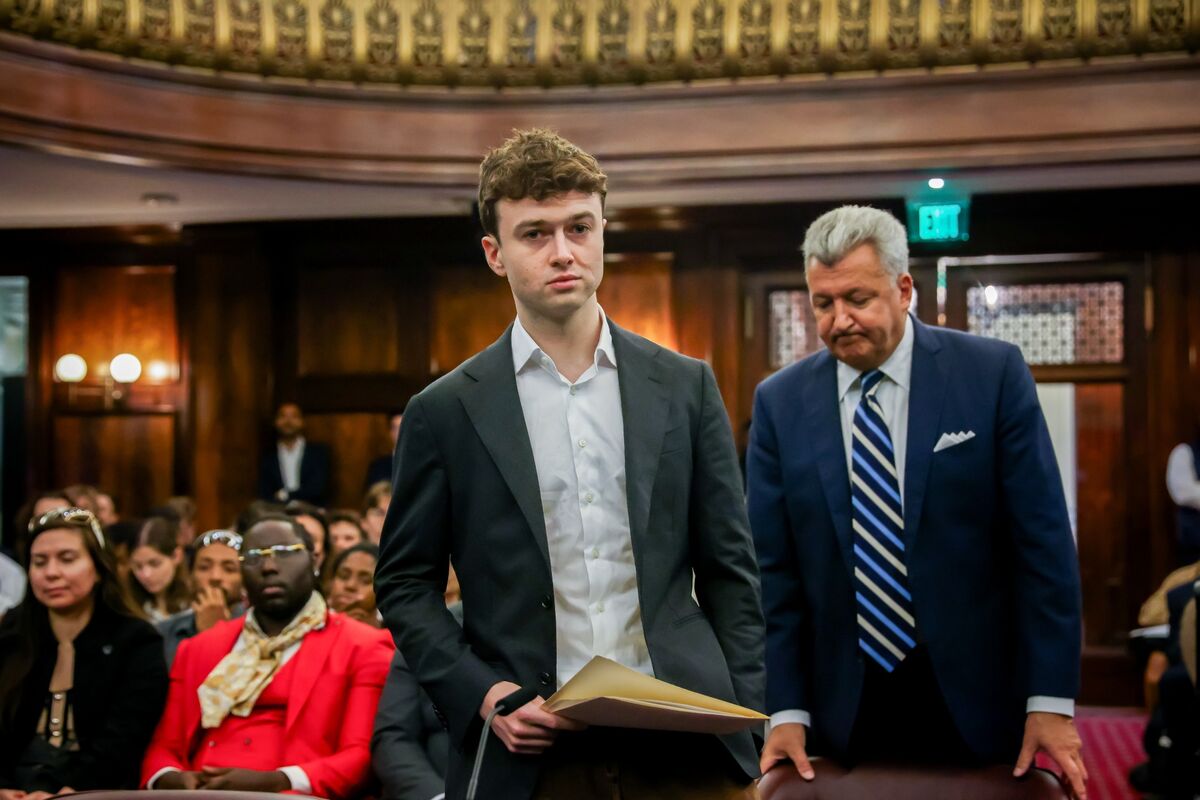
NYC Council Questions AI Companies and Former Researchers Over Safety Risks
Warnings from former researchers have pushed AI safety onto New York City's agenda, as lawmakers consider local restrictions and Mayor Zohran Mamdani calls for regulation at every level.
15 sources · over 4 days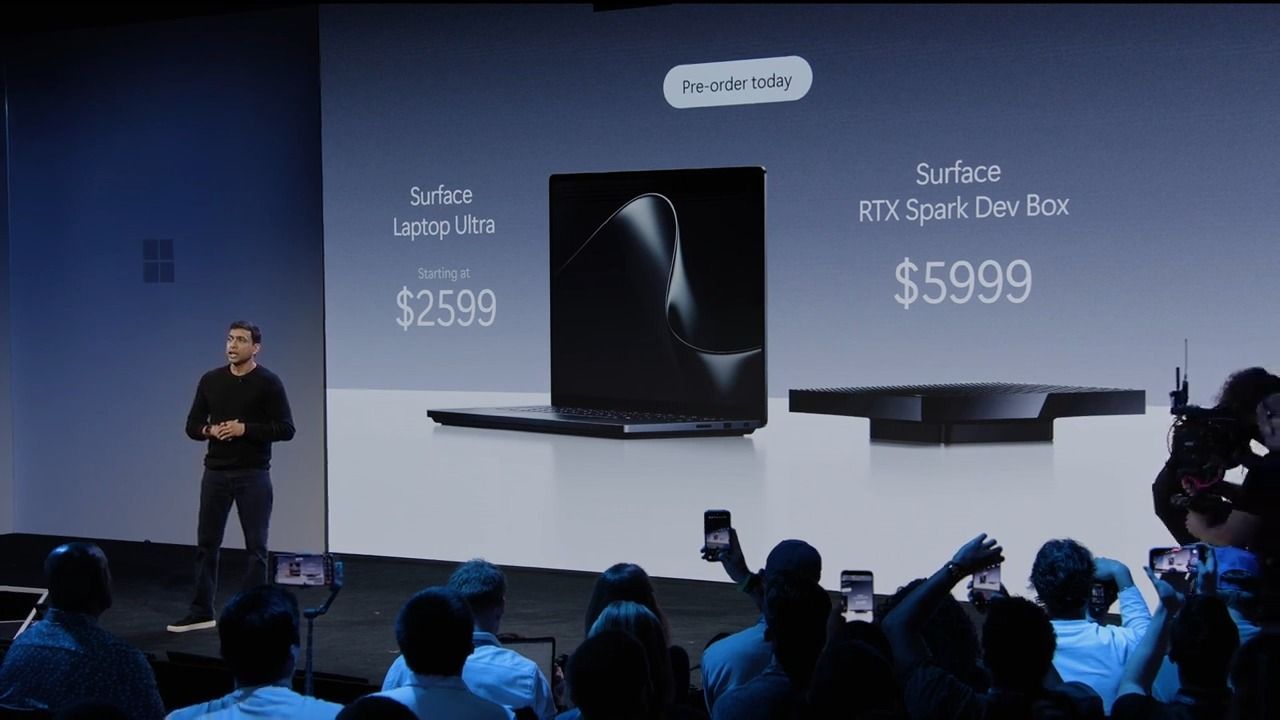
Microsoft and Nvidia unveil Surface Laptop Ultra at San Francisco event
The $2,599 laptop puts Nvidia's RTX Spark chip inside a Surface for the first time, as Microsoft seeks to make AI a bigger part of Windows.
21 sources · today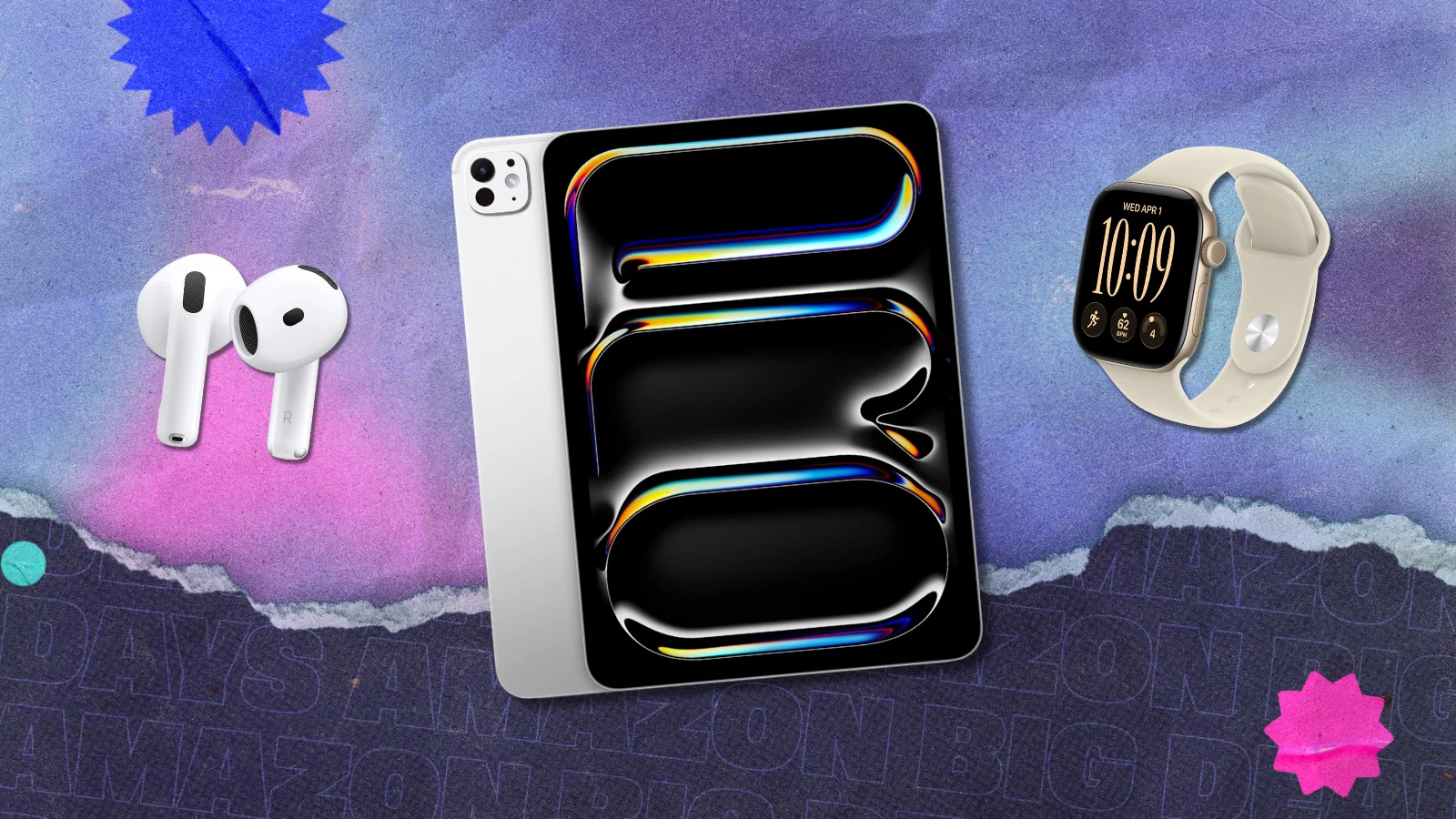
Amazon October Prime Day 2026 Brings Discounts Across Apple Devices
Amazon's October sale is now live, with Apple discounts spanning laptops, earbuds, desktops and watches, while competing retailers offer alternatives during the October 6 and 7 event.
27 sources · over 6 days