
Oil Market Tips Toward Surplus as Gulf Supplies Recover After Iran War Disruption
The IEA says global oil supply should exceed demand in the fourth quarter for the first time since the Iran war began, pushing prices down even as tanker attacks and US strike threats keep traders cautious.
By Hushread Stories, from 19 outlets · First published 20 Nov 2026
In brief
- The International Energy Agency expects global oil supply to exceed demand in the fourth quarter of 2026, a first since the Iran war began.
- Increased Gulf exports produced a market surplus in October, the IEA said, after the war disrupted flows through the Strait of Hormuz.
- Brent fell from near $95 on November 16 to around $91 by November 19, with prices at two-month lows on November 18.
- A US crude inventory build and record US production added to the downward pressure on prices midweek.
- Attacks on tankers, renewed Middle East fighting and reports of possible US strikes on Iran keep a floor under prices.
Timeline · 10 moments
Brent near $92.60, heading for third weekly loss
CNBC ↗Tanker attacks in Hormuz nudge prices higher
Middle East Eye ↗Oil steadies as traders weigh US strike threats on Iran
CNBC ↗US crude build and record output weigh on WTI
ZeroHedge News ↗Prices hit two-month lows on surplus expectations
Forbes - Business Business & Economy ↗Brent drops below $92 as surplus hopes grow
Economic Times Business & Economy ↗US crude falls to $87 on recovering exports
CNBC ↗Oil steadies after two-week slump on Mideast attacks
Bloomberg ↗October surplus attributed to higher Gulf exports
dawn.com ↗IEA says oil supply to exceed demand in Q4
Le Monde ↗How it started
The backdrop is the war in Iran, which began at the end of February, according to Le Monde. It nearly closed the Strait of Hormuz, the narrow waterway that much of the Gulf's oil must pass through.
ThePrint described the result as the biggest oil supply shock in modern history, citing the IEA's Energy Outlook 2026. Global supply fell by as much as 16.1 million barrels per day at the peak of the disruption.
For months after that, the question for the market was how fast Gulf barrels would come back.
How it unfolded
The turn came on November 13. In its monthly report, the IEA said global supply should outstrip demand in the last quarter of 2026, as Le Monde and Franceinfo reported. Dawn added that higher Gulf exports had already produced a surplus in October, the first since the war began.
Prices reacted over the following days. Bloomberg said oil steadied on November 15 after a two-week slump, with fresh Middle East attacks offsetting signs of a well-supplied physical market. On November 16, CNBC reported US crude falling to $87 a barrel on recovering Middle East exports, while the Economic Times had Brent hovering near $95.
The slide continued on November 17. The Economic Times put Brent below $92 and noted that Goldman Sachs had published its own forecast. Arab News said expectations of a surplus, driven by recovering exports, outweighed worries about continued tanker attacks.
November 18 brought the sharpest move. Forbes reported prices at two-month lows, and Business Line pointed to a US inventory build outweighing West Asia tensions. ZeroHedge cited a big crude build and record US production, and said WTI shrugged off the tanker attacks.
On November 19 the market steadied. CNBC had Brent near $91 after a fall of more than 3% the day before, as traders weighed reports that President Donald Trump was considering another round of strikes on Iran. Middle East Eye reported a slight rise on attacks on tankers in the Strait of Hormuz.
Where it stands
As of November 20, CNBC had Brent near $92.60 and WTI up 0.5% at $82.82. Both were still heading for a third straight weekly decline, with the expected glut and recovering West Asian flows weighing on prices.
CNA reported that prices edged higher on Houthi attacks on Riyadh, which raised supply concerns. The picture is mixed: the physical market looks better supplied, but security risks have not gone away.
What to watch
The main open question is whether the fourth-quarter surplus the IEA describes actually materialises, which depends on Gulf exports continuing to recover. Renewed fighting or strikes could interrupt that.
Traders are also watching the US-Iran situation. Bloomberg said they are weighing the risk of renewed US strikes on Iran against ample supply, and further attacks on tankers in the Strait of Hormuz remain a live risk.
More in Business
All →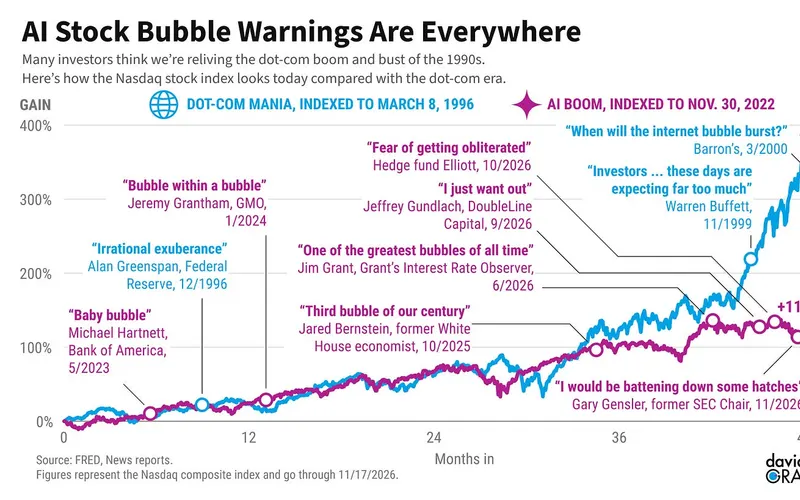
Fed Sees AI as Top Financial Risk and Growing Inflation Pressure
Officials cite AI investment, asset valuations and hedge fund leverage as stability concerns while Jefferson links the buildout to inflation.
25 sources · over 8 days
Anthropic Prices IPO at $83 and Opens at $111.50 on Nasdaq
The record offering raised $81.3 billion, but shares pulled back to close at $97.17 as broader markets fell.
122 sources · over 4 days
JPMorgan Chase Software Bug Delays Bank Transactions, Then Vendor Hack Exposes Customer Data
A Monday outage across major US banks was blamed on a software bug, and days later a separate vendor cyberattack exposed customer names and emails at JPMorgan, Visa and Mastercard.
71 sources · over 5 days