
Paraguay Police Raid Peña Home After Impeachment Over Ueno Bank Collapse
Santiago Peña is in pretrial detention as investigators search his properties, widening an inquiry into a bank collapse that left millions unable to access their money.
By Hushread Stories, from 59 outlets · First published 9 Nov 2026 · Chapter 4 of 5
Earlier: Paraguay's Santiago Peña Held Pending Trial After Bank Collapse and Impeachment
In brief
- Ueno Bank's collapse left millions without access to deposits and triggered protests that brought down Santiago Peña.
- The Senate impeached Peña on November 6 rather than accepting his offer to resign from office.
- Pedro Alliana, previously vice president, was sworn in as president following Peña's removal from office.
- Prosecutors charged Peña on November 7, and a judge subsequently ordered him held in pretrial detention.
- Investigators searched Peña's summer home on November 8 as the inquiry into his banking connections continued.
Timeline · 6 moments
Prosecutors search former president's summer home in Paraguay
CNN Brasil ↗Judge orders Peña held in pretrial detention
Excélsior - RSS ↗Prosecutors charge Peña and request detention pending trial
CBC Top Stories ↗Peña placed under house arrest following impeachment
Euronews ↗Pedro Alliana sworn in after Peña loses office
nu.nl ↗Senate impeaches Peña rather than accepting resignation offer
France24 ↗How it started
The collapse of Ueno Bank left millions of people unable to withdraw their deposits and sparked angry protests. The crisis quickly became a reckoning over the relationship between political power and finance, according to Le Monde.
The investigation centres on Peña's connections to the bank and his conduct in office. The Hindu reported that he is accused of steering millions in government deposits to Ueno and concealing its financial troubles despite warnings about loans and solvency. These are allegations, not findings of guilt.
How it unfolded
On November 6, the Senate impeached Peña rather than accepting his offer to resign, according to France24. That distinction matters: his departure was a parliamentary removal, not simply a voluntary resignation.
Pedro Alliana, who had been vice president under Peña, was sworn in as president that Friday, nu.nl reported. Peña was initially placed under house arrest following his impeachment, according to Euronews.
On November 7, prosecutors charged Peña with breach of trust and administration for personal gain, and asked a court to jail him pending trial, CBC Top Stories reported. Infobae reported that former Central Bank president Carlos Carvallo was also charged in connection with the scandal.
A judge ordered Peña into pretrial detention on November 7, according to Excélsior. Reporting on his transfer gives different explanations: DIE ZEIT cited possible flight risk in describing his placement in military barracks, while France24 said he was transferred to a military facility for his own safety.
On November 8, prosecutors searched Peña's summer home, CNN Brasil reported. Infobae identified the property as being in San Bernardino and reported that it had been built with loans from Ueno Bank.
Where it stands
Peña is out of office and in pretrial detention, while Alliana has taken over the presidency. The criminal inquiry now extends beyond questioning the former president to searches of his property and restrictions on assets.
A judge ordered restrictions on Peña's and Carvallo's assets and the freezing of funds and financial products, according to RT en Español - Noticias. In coverage published November 9, La Nacion reported that investigators found a hidden vault during the search of one of Peña's homes. The supplied report does not establish what it contained.
What to watch
The next substantive question is what evidence the property searches produce about Peña's dealings with Ueno. Prosecutors' allegations concern both the movement of public deposits and the concealment of financial problems, according to The Hindu.
For depositors, the immediate issue remains access to their money. The supplied coverage describes millions locked out of their deposits but gives no confirmed timetable for restoring access or recovering funds.
More in Politics
All →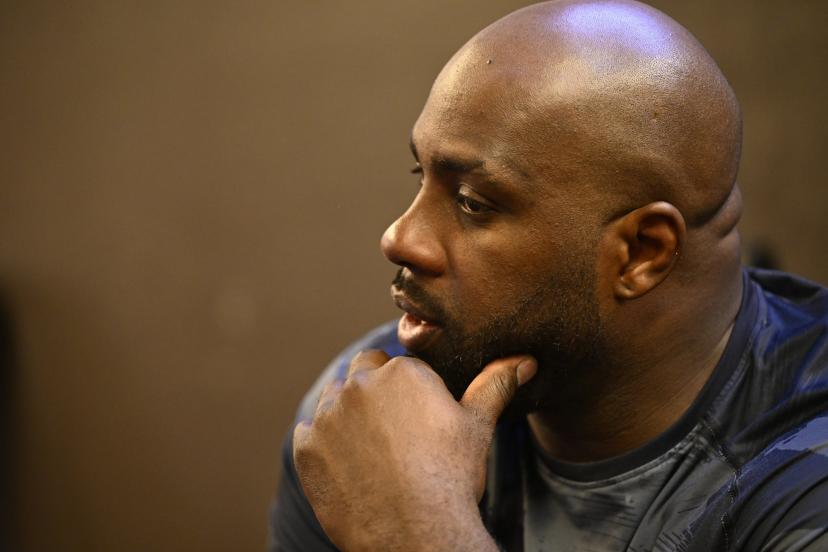
Teddy Riner announces candidacy for France's 2027 presidential election
The Olympic judo champion has entered the presidential race, saying he wants to unite the French while continuing his sporting career, with policy and campaign details still unclear.
20 sources · today
Gadi Eisenkot Gets Six Weeks to Build Israel's Next Government
Gadi Eisenkot has a mandate to form a coalition, but a seat shortfall and disputes over military conscription leave Benjamin Netanyahu with room to influence the outcome.
24 sources · over 2 days
Hegseth Defies Impeachment Threat as Trump Backs Him After Midterm Losses
A Republican lawmaker plans to force an impeachment vote as soon as next week, testing support for Defense Secretary Pete Hegseth after election losses blamed on the Iran war.
77 sources · over 6 days