
Paraguay's Santiago Peña Ordered Into Detention After Impeachment Over Bank Collapse
The collapse of Ueno Bank has left millions without access to savings, removed Santiago Peña from office and brought criminal charges as Pedro Alliana takes over.
By Hushread Stories, from 58 outlets · First published 8 Nov 2026 · Chapter 2 of 5
Earlier: Paraguay's Peña Removed as Alliana Becomes President
In brief
- Paraguay's Senate removed Santiago Peña after Ueno Bank collapsed and millions lost access to their savings.
- Lawmakers accused Peña of directing public funds to Ueno while regulators overlooked risky loans to insiders.
- Pedro Alliana was sworn in as Paraguay's new president after Peña's removal, as the country moves to a new government.
- Prosecutors charged Peña over the bank's collapse, and a judge ordered pretrial detention in a military facility.
- A judge ordered Peña's assets and financial accounts frozen; Peña denies wrongdoing, and when customers regain savings remains unanswered.
Timeline · 7 moments
Judge orders Peña's assets and accounts frozen
RT en Español - Noticias ↗Former Central Bank president also ordered into detention
CNN Brasil ↗Judge orders Peña detained, citing a flight risk
RT en Español - Noticias ↗Prosecutors charge Peña and request detention pending trial
CBC Top Stories ↗Authorities place ousted Peña under house arrest
© Laura Fioravanti, AP ↗Pedro Alliana becomes president following Peña's impeachment
Japan Times ↗Senate unanimously removes Peña amid the banking crisis
RTBF ↗Update 8 Nov 2026, 11:29 am UTC
Al Jazeera and France24 report that Santiago Peña has been charged over Ueno Bank's collapse and is now held in a military facility, rather than under house arrest. Infobae says a judge ordered his pretrial detention as Paraguay moves to a new government; RT en Español - Noticias reports that a judge also ordered his assets and financial accounts frozen.
How it started
Ueno Bank's collapse cut millions of people off from their savings. According to Mint, nearly half of Paraguay's six million people were locked out of their money.
The political scandal centres on the bank's relationship with the government. NDTV News reported that lawmakers accused Santiago Peña of using his influence to steer hundreds of millions of dollars in public funds into Ueno while regulators overlooked risky insider lending. Peña denied wrongdoing.
How it unfolded
On November 6, the Senate removed Peña from office. RTBF reported that all 44 senators present, out of a chamber of 45, voted against him. The coverage describes an impeachment and removal, rather than a resignation.
Pedro Alliana, previously vice president, was sworn in as his successor that Friday, according to Japan Times. Le Monde also reported the transfer of power following Peña's removal.
Authorities initially placed Peña under house arrest shortly after the Senate vote, AP reported. The political proceedings were followed by a criminal investigation into his role in the banking crisis.
On November 7, prosecutors charged Peña with breach of trust and administration for personal gain, and asked a court to jail him pending trial, according to CBC. NPR reported that he appeared before prosecutors.
A judge subsequently ordered Peña into pretrial detention. RT en Español reported that the court cited a flight risk. Reporting published on November 8 by Infobae confirmed that he had been in pretrial detention since Saturday.
Where it stands
Peña is no longer under house arrest: the latest coverage places him in pretrial detention. Die Zeit reported that he was being held in a barracks because of a possible flight risk. The charges remain allegations, not findings of guilt.
The investigation also reaches beyond Peña. Infobae reported charges against former Central Bank president Carlos Carvallo, while CNN Brasil reported that a judge ordered Carvallo's pretrial detention on November 7.
Alliana has taken office, but the financial emergency remains unresolved in the supplied reporting. Millions were cut off from their money, and the crisis sparked major protests, according to Arab News.
What to watch
The criminal proceedings now concern whether prosecutors can prove that Peña used public office for personal benefit. The accusations reported by NDTV News focus on public money placed in Ueno and regulatory treatment of insider lending; Peña denies wrongdoing.
For depositors, the immediate unanswered question is when they can recover access to their savings. The supplied coverage gives no confirmed repayment timetable or recovery plan.
More in Politics
All →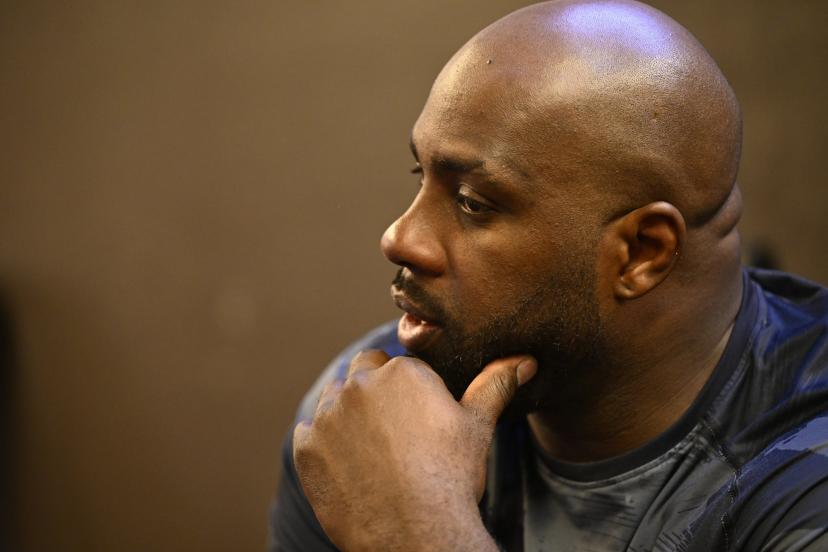
Teddy Riner announces candidacy for France's 2027 presidential election
The Olympic judo champion has entered the presidential race, saying he wants to unite the French while continuing his sporting career, with policy and campaign details still unclear.
20 sources · today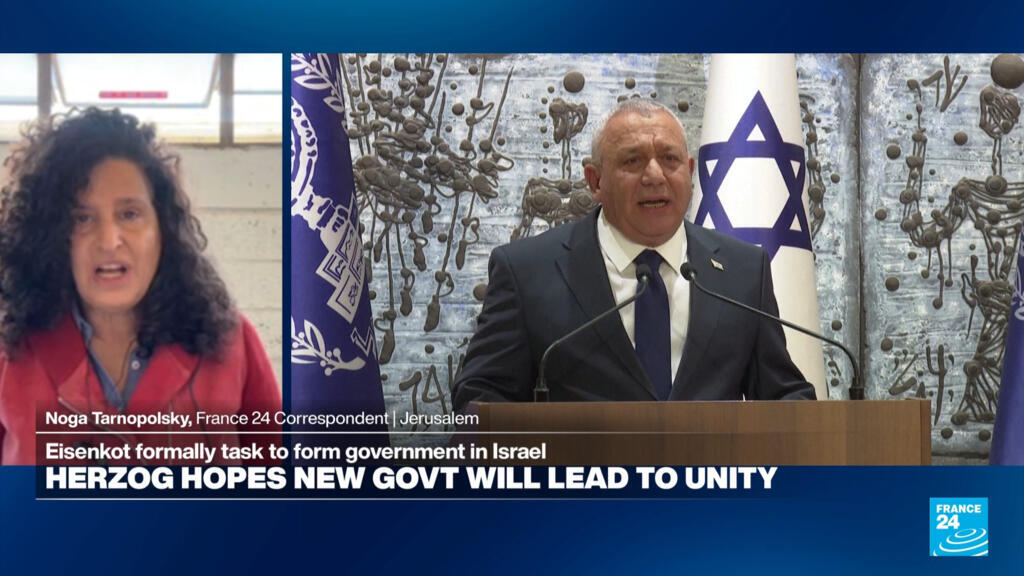
Gadi Eisenkot Gets Six Weeks to Build Israel's Next Government
Gadi Eisenkot has a mandate to form a coalition, but a seat shortfall and disputes over military conscription leave Benjamin Netanyahu with room to influence the outcome.
24 sources · over 2 days
Hegseth Defies Impeachment Threat as Trump Backs Him After Midterm Losses
A Republican lawmaker plans to force an impeachment vote as soon as next week, testing support for Defense Secretary Pete Hegseth after election losses blamed on the Iran war.
77 sources · over 6 days