
Supreme Court rejects Trump bid to set aside California ballots
The election eve decision leaves California free to count disputed ballots after the administration sought to separate votes linked to about 20,000 people it alleges are noncitizens.
By Hushread Stories, from 36 outlets · First published 3 Nov 2026 · Chapter 2 of 2
Earlier: Appeals Court Again Rejects Trump Bid to Separate California Ballots
In brief
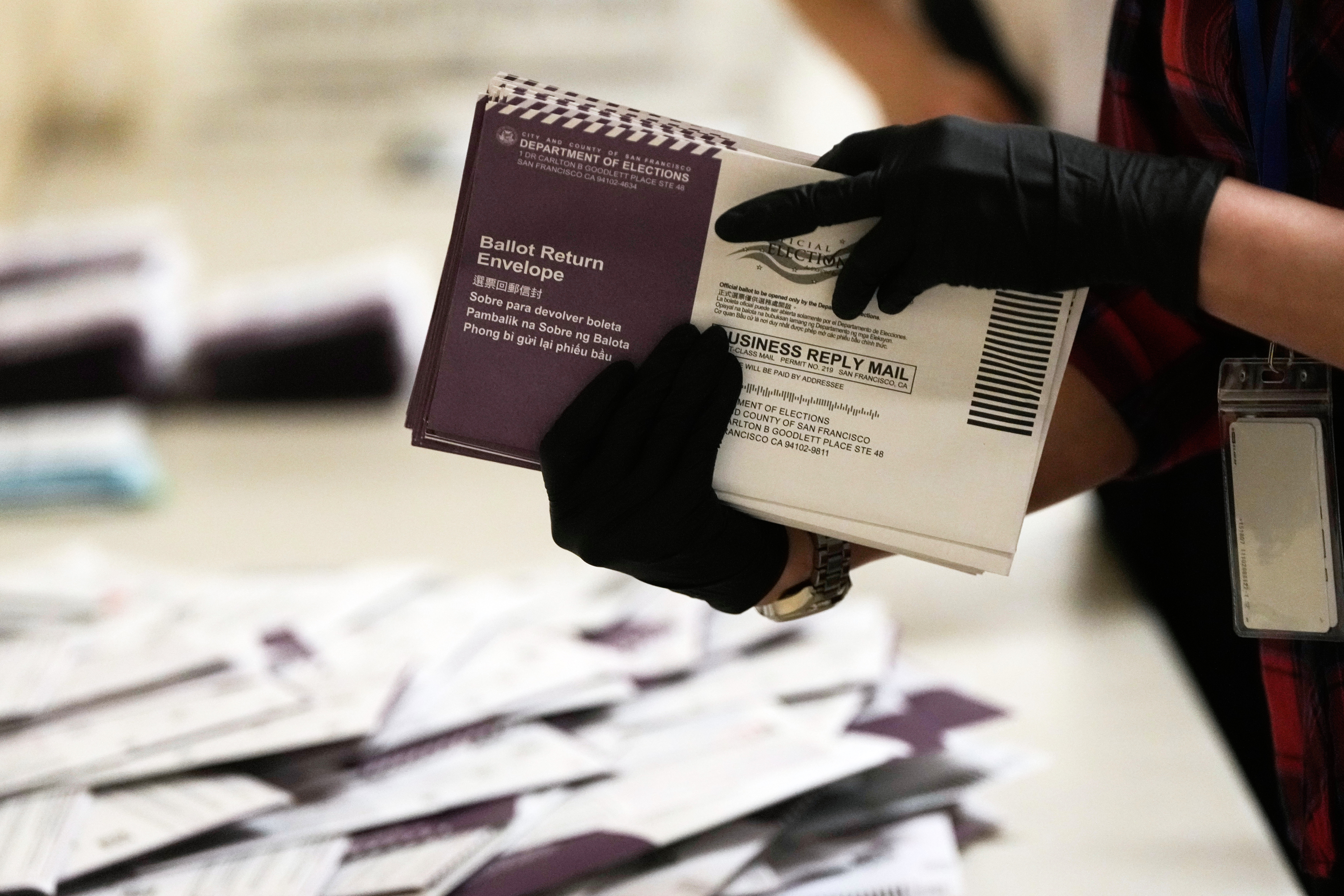
- The Supreme Court rejected the Trump administration's emergency request to set aside thousands of California ballots.
- The administration targeted mail ballots associated with about 20,000 people it claimed were possible noncitizens.
- Local officials disputed the allegations, and analysts identified substantial mismatches in the administration's voter eligibility list.
- Lower courts had also rejected the Justice Department's demands before the administration sought Supreme Court intervention.
- The disputed ballots can be counted in the November 3 midterm elections following the court's rejection.
Timeline · 5 moments
Supreme Court rejects emergency bid over California ballots
Associated Press ↗Administration asks Supreme Court to set aside California ballots
NYT Politics ↗Justice Department urges sanctions over critical database analysis
PBS ↗Analysis finds thousands of flagged names absent from voter rolls
Times now ↗Judge orders administration to stop threatening election officials
BBC News ↗How it started
The dispute centres on the Trump administration's claim that about 20,000 noncitizens may be registered to vote in California. Local officials disputed that assertion, NBC News reported.
The administration wanted ballots associated with the flagged voters kept separate until their citizenship status could be verified, according to News18. California warned that blocking ballots from suspected noncitizens could disenfranchise eligible voters, Al Jazeera reported.
How it unfolded
On October 31, BBC News reported that a judge had ordered the administration to stop threatening election officials. Officials had received letters demanding that they set aside ballots from possible noncitizen voters.
The underlying list also faced scrutiny. On October 31, Times now reported that an analysis submitted to a federal court found more than 40 percent of the people flagged by the administration did not appear on California's voter rolls. The Hill reported further scrutiny of mismatches on November 1.
On November 2, the administration took the dispute to the Supreme Court after lower courts rejected its request, according to NPR Politics. Its emergency application asked the justices to immediately order California to set aside 20,000 mail ballots, NYT Politics reported.
The Supreme Court rejected the request that same day, Associated Press reported. The decision came on the eve of the November 3 midterm elections. No justices publicly dissented, according to NDTV Top Stories.
Where it stands
California is not required to segregate the disputed ballots under the emergency order the administration sought. BBC News reported on November 3 that the rejection essentially ends the administration's bid to disqualify those ballots in the state.
The decision concerns the administration's attempt to stop or separate the count. The citizenship allegations remain disputed by local officials, as NBC News reported, and should not be read as established findings about the voters.
More in Politics
All →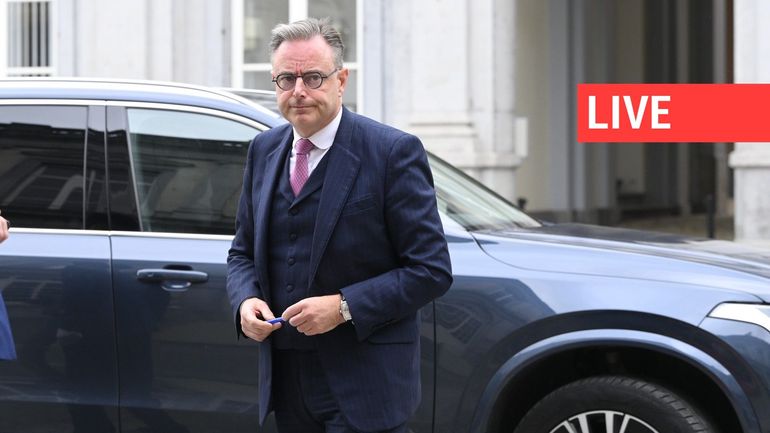
Belgian Prime Minister De Wever Offers Resignation as Budget Talks Fail
The king has held off accepting Bart De Wever's resignation and will consult coalition parties, leaving Belgium's budget crisis unresolved after weeks of negotiations.
16 sources · over 2 days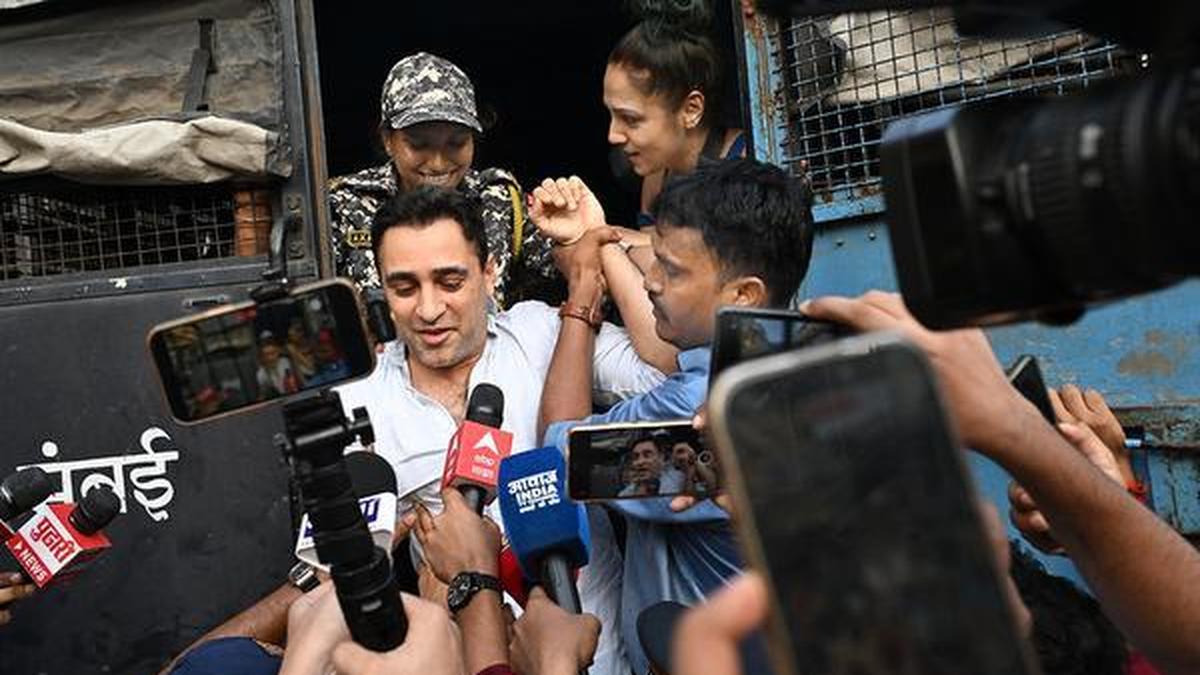
Imran Khan Apologises After Bombay High Court Rebuke Over Protest
The actor has secured interim relief from a notice to leave India after apologising, while the court drew a distinction between OCI status and Indian citizenship.
8 sources · today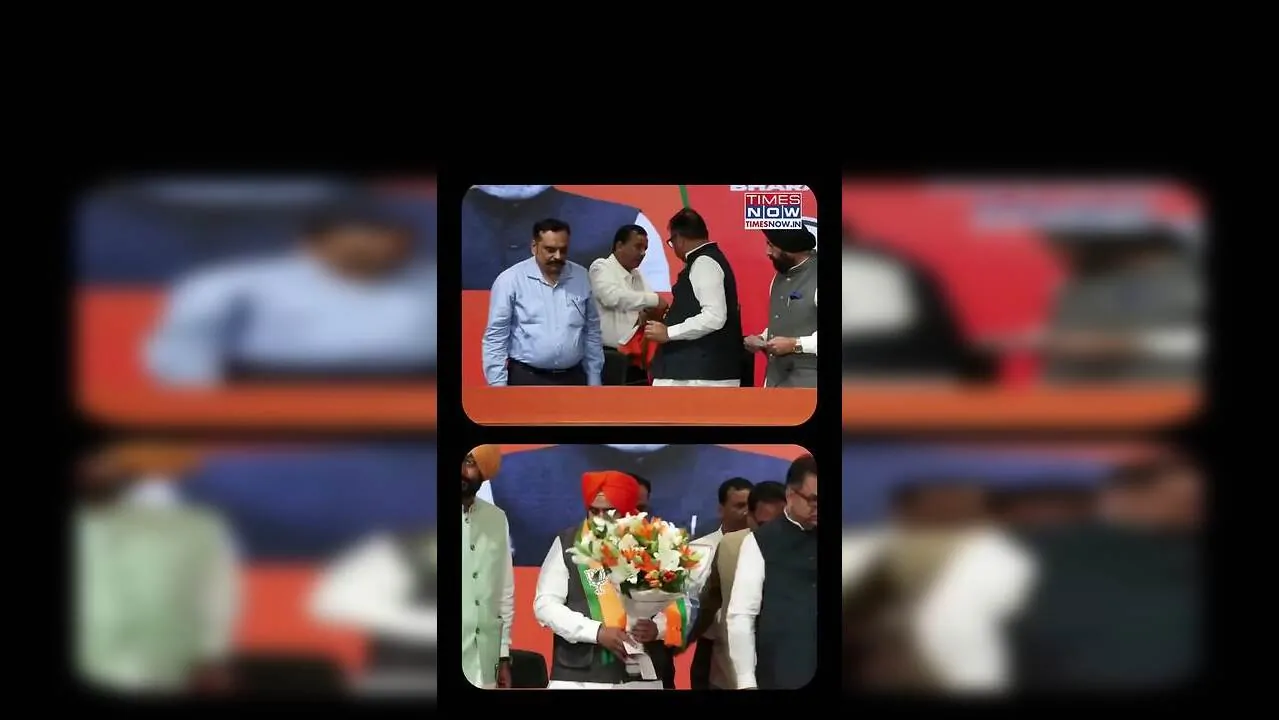
Three AAP Rebels Join BJP After Punjab Candidate List Triggers Resignations
AAP's first slate of 40 candidates for Punjab's 2027 elections has been followed by resignations and three defections to the BJP, including two leaders who quit on Sunday.
10 sources · over 4 days