
Trump and Obama Clash Over Cheesecake Factory Joke Before Midterms
A joke about White House renovations has become a campaign argument about elitism and economic priorities, drawing in Trump administration officials days before the midterm elections.
By Hushread Stories, from 19 outlets · First published 30 Oct 2026 · Chapter 3 of 3
Earlier: Obama Defends Cheesecake Factory Joke After Trump and Allies Push Back
In brief
- Former President Barack Obama compared President Donald Trump's White House renovations to Saddam Hussein opening a Cheesecake Factory.
- Trump called Obama a lousy president and claimed his predecessor had allowed the White House to deteriorate.
- Treasury Secretary Scott Bessent joined the dispute by dining at a Cheesecake Factory in Washington on Monday.
- Obama responded Wednesday that Republicans were concentrating on his restaurant joke rather than the economy and inflation.
- Vice President JD Vance called the remark elitist Friday, keeping the dispute alive ahead of next week's midterms.
Timeline · 6 moments
Vance calls Obama's Cheesecake Factory remark super elitist
New York Post ↗Obama's response faults Republicans for ignoring the economy
The Hill ↗Klepper criticizes conservative media's conflicting restaurant messages
The Wrap TV ↗Bessent dines at Cheesecake Factory and criticizes Obama
CNBC ↗Trump calls Obama lousy and alleges White House neglect
New York Post ↗Obama's White House restaurant comparison draws campaign attention
MarketWatch ↗How it started
Former President Barack Obama mocked President Donald Trump's changes to the White House by saying he had "got the White House looking like Saddam Hussein opened a Cheesecake Factory," according to The Atlantic.
The joke targeted Trump's extravagant style as Obama cast him as out of touch, The New York Times reported. But the restaurant comparison became a political argument of its own, with Trump and his allies defending both the renovations and the chain.
How it unfolded
On October 26, the New York Post reported Trump's response: the remark showed why Obama was a "lousy president." Trump also claimed Obama had allowed the White House to fall into disrepair during his eight years in office. That was Trump's allegation, not an established finding in the supplied coverage.
Treasury Secretary Scott Bessent joined in that Monday, October 26, dining at a Cheesecake Factory in Washington and criticizing Obama, according to CNBC. His appearance brought a senior administration official into what had begun as a campaign joke about decor.
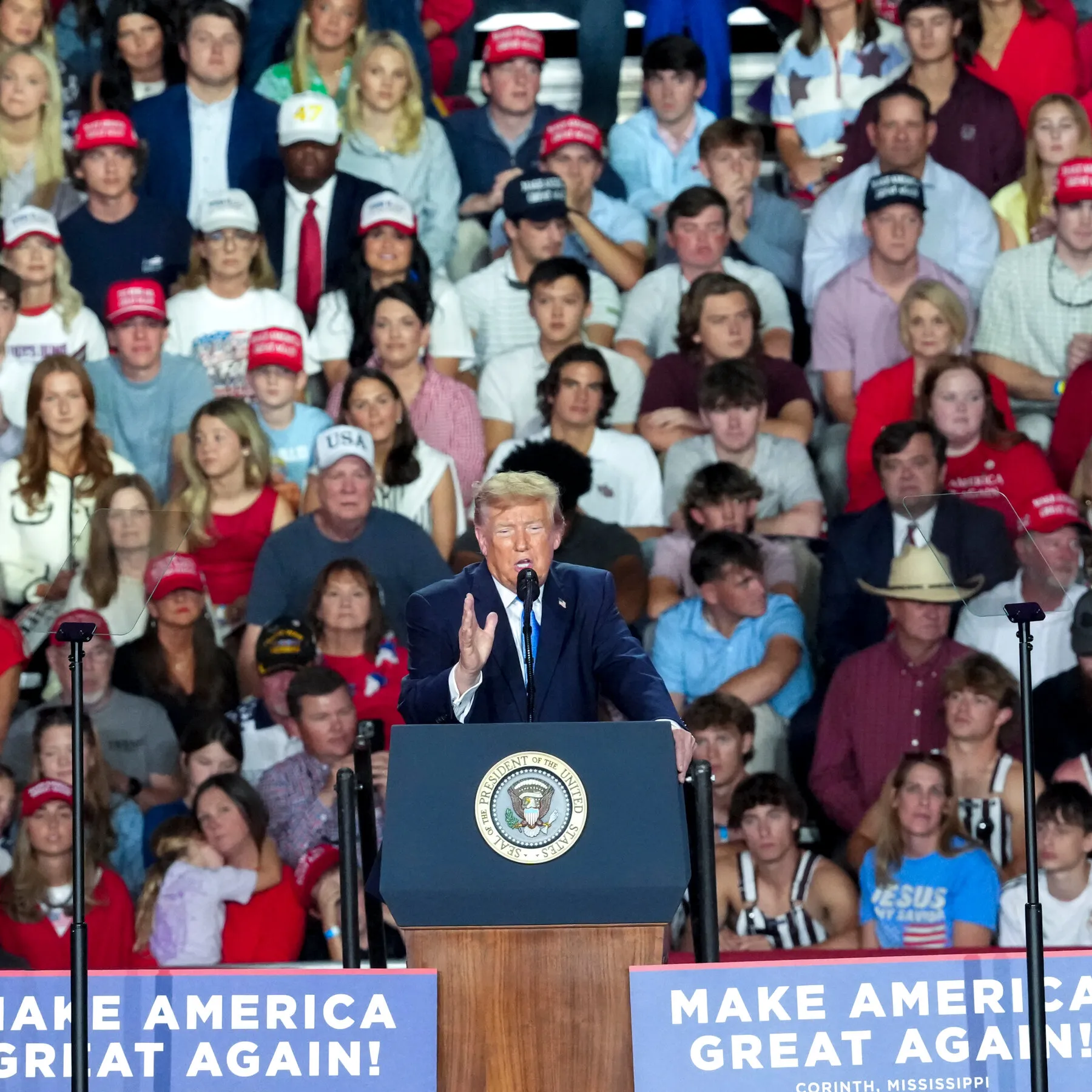
By October 27, Trump had responded at length during a Mississippi campaign stop, The New York Times reported. The exchange was unfolding with about a week remaining before the midterm elections, according to Yahoo News.
The dispute also reached television commentary. On October 28, The Wrap TV reported that Jordan Klepper had criticized conservative media for offering conflicting messages about the restaurant after Obama's joke.
Obama answered the backlash on Wednesday, October 28. In coverage published October 29, The Hill reported that he accused Republicans of focusing on the joke rather than the economy, saying, "These are not serious people." He also accused the administration of mounting a "whole-of-government response" to the remark, according to Times now.
On October 30, Vice President JD Vance added his response. "I think it's like a good example of how Obama, without even trying to be, just can't help himself from being super elitist," he said, according to the New York Post.
Where it stands
The argument now has two competing frames. Trump's allies portray the joke as evidence of Obama's elitism. Obama says their reaction avoids his broader criticism about economic priorities, according to News18.
Obama has also rejected the idea that he was dismissing the restaurant itself. He called The Cheesecake Factory his "jam" and said he had frequented it, Business Insider reported. As of October 30, the dispute remained a campaign talking point while affordability loomed over the following week's midterms, according to NPR News.
More in Politics
All →
Norway Answers Trump's Nobel Peace Prize Insults With Toilet Humour
Norwegian officials say they have no influence over the Nobel decision, while tourism promoters have turned President Donald Trump's vulgar attack into a showcase for public toilets.
17 sources · over 5 days
Pope Leo XIV Casts Mail Ballot in Historic US Midterm Vote
The Vatican has confirmed that Leo sent his ballot to Chicago, making him the first pope to vote in a US election ahead of November 3.
8 sources · today
Canada and EU Keep Associate Membership Proposal Amid Summit Objections
At the Montreal summit, Ursula von der Leyen and Mark Carney maintained the proposal despite objections from Germany and other EU member states.
26 sources · over 3 days