
Trump Condemns Ukraine's Renewed Refinery Strikes as Zelenskyy Seeks European Backing
A dispute over attacks on energy infrastructure has widened into a confrontation over Russian fuel sanctions, American support for Ukraine and Europe's role in sustaining Kyiv.
By Hushread Stories, written with AI from 82 outlets · First published 16 Oct 2026 · Chapter 7 of 7
Earlier: Trump Condemns Ukraine Refinery Strikes as Europe Backs Zelenskyy Over Energy Truce
In brief
- Zelenskyy ordered renewed attacks on Russian oil refineries after Ukraine faced continuing Russian drone attacks.
- Trump called the renewed strikes a disgrace as Washington and Kyiv clashed over energy policy.
- Zelenskyy warned that Trump's diesel agreement with Russia could provide more money for Moscow's war.
- European leaders rallied around Ukraine in Brussels and pledged to maintain sanctions against Russia.
- Ukraine is seeking further European support as tensions with Washington complicate its funding and military outlook.
Timeline · 6 moments
Zelenskyy criticises diesel deal and praises European leaders
France24 ↗EU vows to maintain sanctions after US shift
Financial Times ↗European leaders debate Ukraine funding at Brussels summit
CBC News ↗Trump calls renewed Ukrainian refinery strikes a disgrace
NBC News ↗Latvian MEP criticises Trump's Russian diesel agreement
Euronews ↗Zelenskyy orders renewed attacks on Russian oil refineries
Bloomberg ↗How it started
The dispute centres on whether Ukraine should hold back from attacking Russian energy facilities while Russian attacks continue. DIE WELT reported that Ukraine ended the energy ceasefire after facing daily Russian drone attacks.
The disagreement also reaches beyond the battlefield. Trump lifted restrictions on Russian diesel, according to Euronews, while Bloomberg linked Zelenskyy's decision to resume refinery attacks to a growing confrontation over restrictions on US intelligence assistance.
How it unfolded
On October 15, Bloomberg reported that Ukrainian President Volodymyr Zelenskyy had ordered attacks on Russian oil refineries to resume. That same day, AFP reported that he was seeking European backing despite US President Donald Trump's demands to stop the strikes.
Opposition to Trump's fuel policy was also emerging in Europe. On October 15, Latvian MEP Rihard Kols told Euronews that lifting restrictions on Russian diesel sent a "very bad signal" and reflected dubious business motives. That was Kols's assessment of the agreement.
By October 16, Trump's response had sharpened. NBC News reported that he called Ukraine's renewed refinery strikes a "disgrace". Le Monde reported that, in a Newsmax interview, Trump said he found it harder to work with Zelenskyy than with Putin.
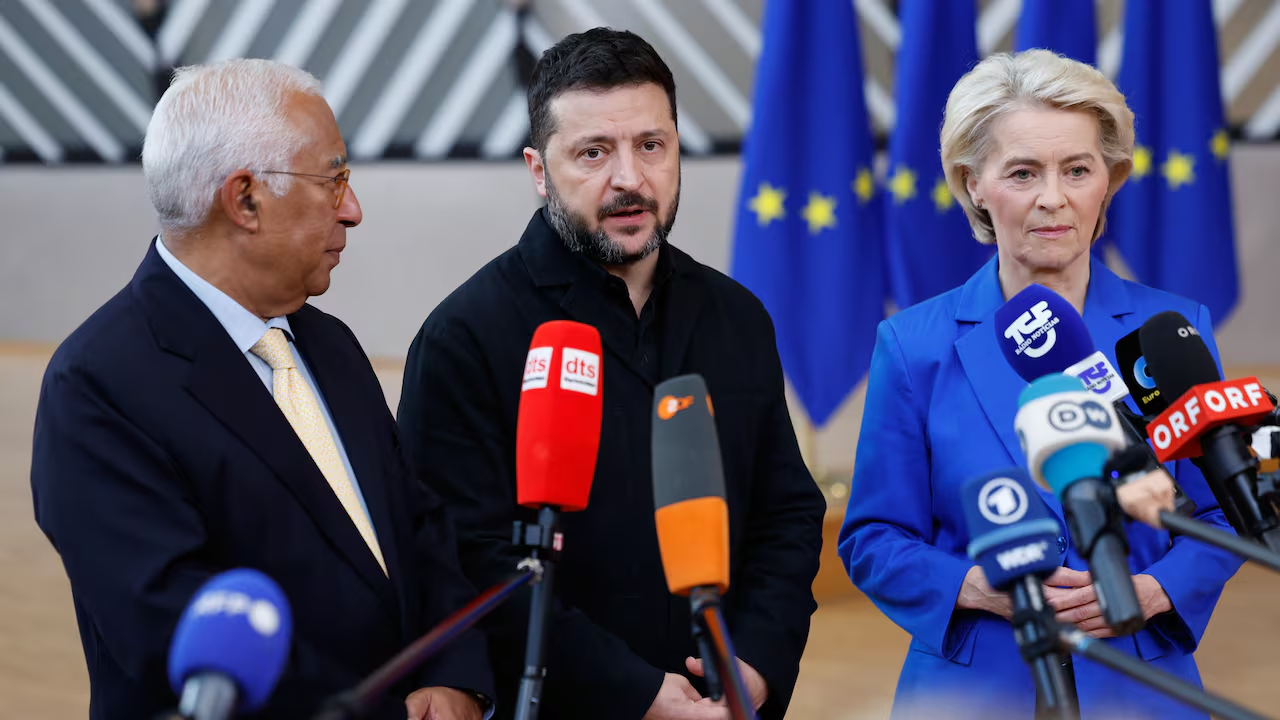
At the Brussels summit on October 16, European leaders rallied around Ukraine and discussed its funding needs, according to CBC News. The Financial Times reported that the EU vowed to maintain Russian sanctions following Washington's shift.
Zelenskyy used the summit to criticise Trump's diesel agreement and praise Europe's "real leaders", France24 reported. He warned that the agreement could provide additional funding for Russia's war, according to the Times of India.
Where it stands
Ukraine has resumed refinery strikes, Washington has condemned them, and European leaders have publicly backed Kyiv. Deutsche Welle reported that disputes involving Russia and Starlink, alongside a large budget shortfall, were complicating Ukraine's outlook for winter.
The public exchanges have not amounted to a declared break between the leaders. On October 16, Trump told reporters that his relationship with Zelenskyy was good despite their disagreements, according to CNN Brasil. Zelenskyy, meanwhile, told Euronews that Trump remained easier to deal with than Putin.
What to watch
The immediate issue is what further support Europe will provide. CBC News reported that EU leaders were debating Ukraine's funding, while CNBC described the summit as focused on securing additional support.
Sanctions are another dividing line. The Financial Times reported Europe's commitment to maintain restrictions after Trump's fuel deal with Moscow. Whether that commitment translates into enough support to address Ukraine's budget shortfall remains unresolved in the coverage.
More in World
All →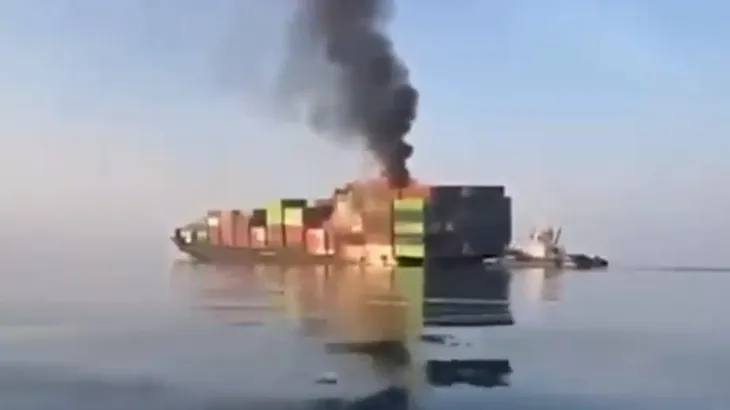
Hormuz Ship Attacks Reach Record High as Iran Claims Control
A container ship sinking and another reported tanker fire have deepened shipping risks, while Iran and the United States dispute control of the waterway and oil exports slow.
39 sources · over 8 days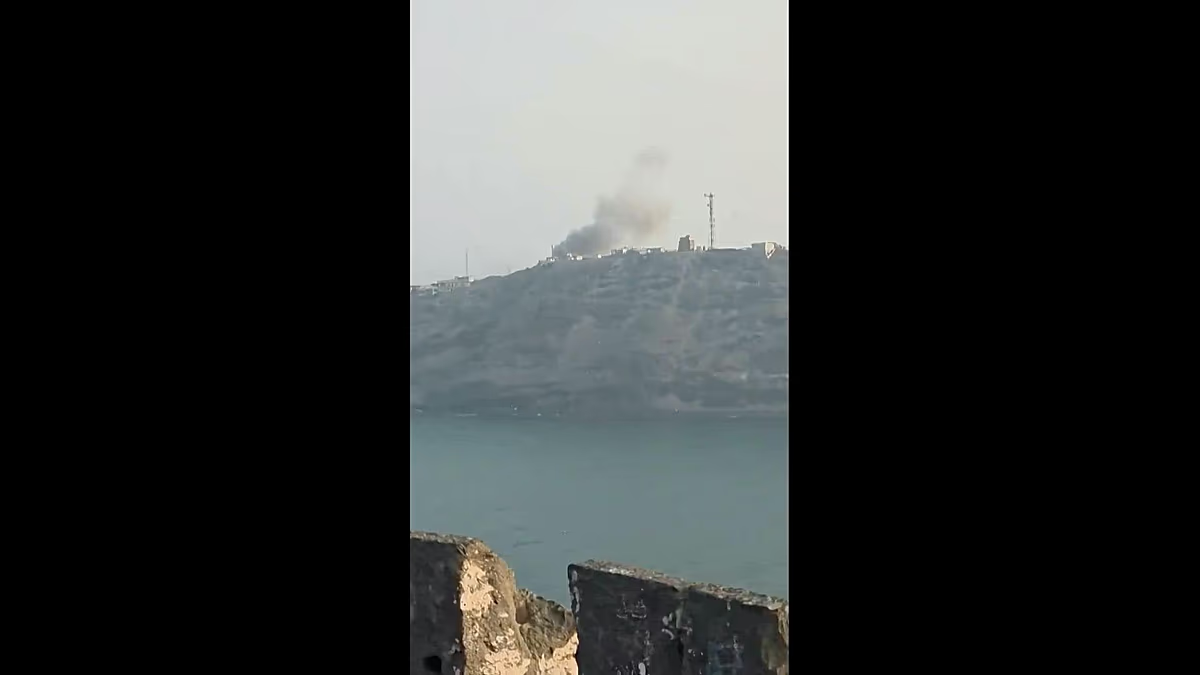
Houthis Strike Aden Palace and Airport as Saudi Tensions Escalate
Successive attacks on Yemen's government seat and airport have widened the confrontation, while the Saudi-led coalition reports interceptions and threatens action against alleged weapons smuggling.
39 sources · over 6 days
Israeli settlers burn West Bank mosque and attack Palestinian olive harvest
Attacks on a mosque and olive groves have been followed by injuries to Palestinians and an American photojournalist, as settlers target the West Bank harvest.
29 sources · over 3 days