
Trump confirms new Iran strikes as Tehran reviews nuclear proposals
Reported US strikes on Iranian air defenses have sharpened the stakes for nuclear diplomacy, as Tehran reviews proposals while warning that another war would bring retaliation.
By Hushread Stories, from 16 outlets · First published 8 Nov 2026
In brief
- Trump confirmed fresh strikes on Iranian air defenses on Qeshm Island, according to a report published Saturday.
- Iran is reviewing proposals to curb its nuclear program after previously refusing to discuss the issue.
- Tehran sent Washington a nuclear proposal through Qatar while maintaining that seven demands must be met.
- Iranian officials have threatened retaliation, while hardliners are pressing for tougher terms after Trump's midterm setback.
- The immediate uncertainty is whether diplomatic proposals can advance before Trump orders a broader return to war.

Timeline · 8 moments
Araghchi says White House must choose agreement or war
Mehr News (English) ↗Rezaei warns United States of devastating Iranian response
Middle East Eye ↗Report says Trump confirmed strikes on Qeshm defenses
New York Post ↗Mediators discuss bridge deal for further nuclear talks
News ↗Iran reportedly reviews proposals to curb nuclear program
The Times of Israel ↗Trump signals decision after meeting national security advisers
The National - Iran ↗Iran sends nuclear proposal to Washington through Qatar
Jerusalem Post - Iran ↗Trump weighs renewed military campaign as Americans vote
The National - Iran ↗How it started
The latest confrontation combines an existing war, unfinished nuclear diplomacy and the political fallout from the US midterm elections. On November 3, The National reported that US President Donald Trump was considering whether to resume a major military campaign against Iran, with diplomacy yet to produce a resolution.
Iran had previously refused to discuss curbs on its nuclear program until seven conditions were met, according to investingLive. The supplied reporting does not set out those conditions in full, making it difficult to assess how far the emerging proposals would move either side.
How it unfolded
On November 5, The National reported that Iran was presenting Trump's midterm election setback as evidence that his war policy was backfiring. That was Tehran's interpretation of the Republican losses, not an established explanation for the election result.
Diplomacy continued alongside that messaging. Iran sent the US a nuclear proposal through Qatar on November 5, according to the Jerusalem Post, citing a senior Iranian official who spoke to Reuters. The official said Tehran would discuss it only after Washington met its seven demands.
On November 6, Trump said he would soon decide whether to resume the war or pursue an agreement after meeting his national security advisers, The National reported. The Jerusalem Post quoted him saying: "I would rather not destroy the rest of the country if possible," followed by, "but maybe I'll have to."
A potential diplomatic opening emerged the same day. The Times of Israel reported that Iran was reviewing proposals to curb its nuclear program after a long refusal to discuss the issue. On November 7, News reported that mediators and Iran had discussed a possible bridge deal intended to pave the way for further nuclear talks.
Military action also resumed. In a report published November 7, the New York Post said Trump had confirmed Friday night that US forces struck Iranian air defense systems on Qeshm Island in the Strait of Hormuz. The outlet described them as the first strikes since Tuesday's midterm elections.
Where it stands
The reporting describes proposals under review, not an agreed nuclear settlement. It also leaves unresolved how Iran's willingness to examine nuclear curbs fits with its insistence that Washington first meet seven demands.
Iran's public warnings have hardened. Middle East Eye reported on November 8 that Major General Mohsen Rezaei, Iran's Secretary of the Supreme National Security Council, warned the US of a "devastating response." Gulf News reported that Iranian hardliners were using Trump's election setback to demand tougher terms as Qatar and other regional mediators intensified their efforts.
Foreign Minister Abbas Araghchi said the White House must choose between an agreement after conflict stops on all fronts and war, according to Mehr News on November 8. That position leaves a substantial gap between diplomatic discussions and a settled path away from further fighting.
What to watch
The immediate test is whether the proposed bridge deal leads to further nuclear talks, and whether Tehran's seven demands remain a prerequisite. The coverage does not establish an agreed timetable or final terms.
Trump's next military decision is the other unresolved issue. The reported Qeshm Island strikes show that military action and diplomatic contacts are already occurring alongside one another, rather than as mutually exclusive choices.
More in Politics
All →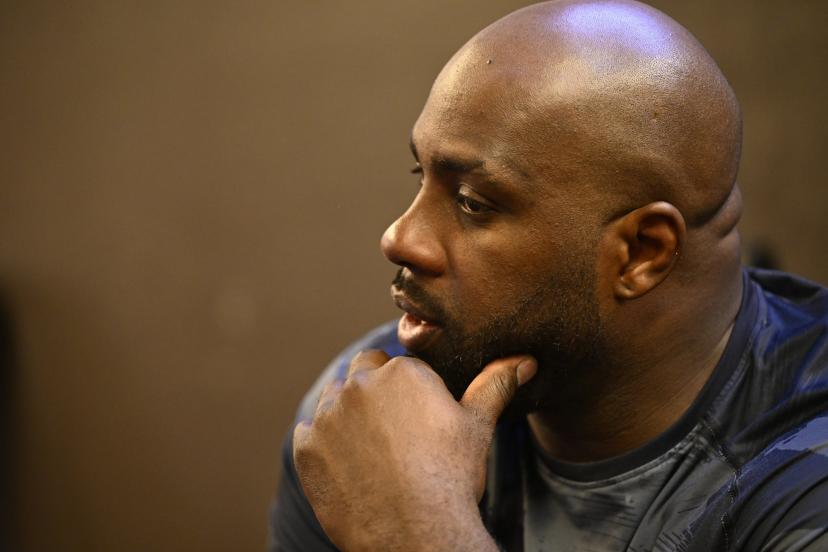
Teddy Riner announces candidacy for France's 2027 presidential election
The Olympic judo champion has entered the presidential race, saying he wants to unite the French while continuing his sporting career, with policy and campaign details still unclear.
20 sources · today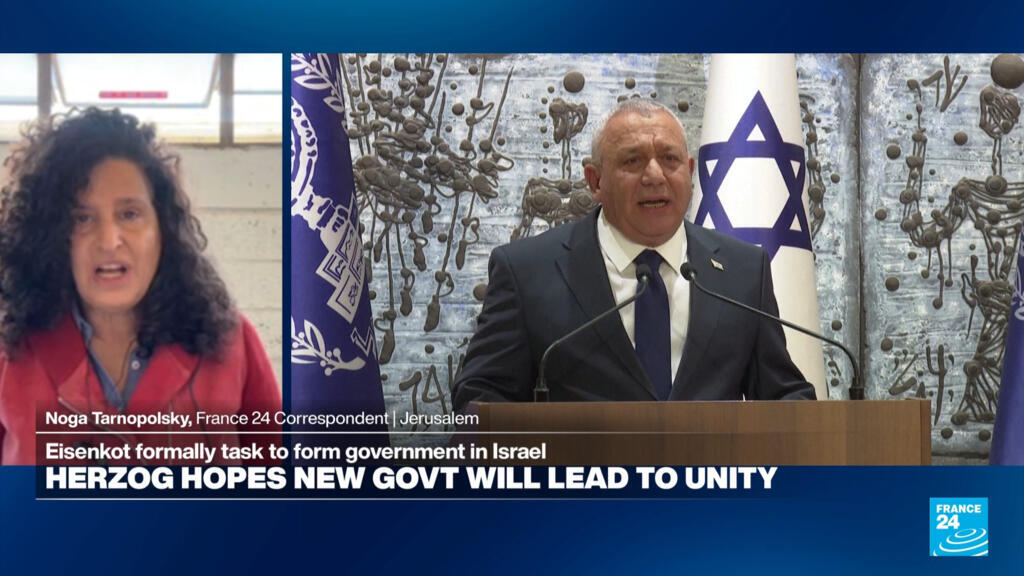
Gadi Eisenkot Gets Six Weeks to Build Israel's Next Government
Gadi Eisenkot has a mandate to form a coalition, but a seat shortfall and disputes over military conscription leave Benjamin Netanyahu with room to influence the outcome.
24 sources · over 2 days
Hegseth Defies Impeachment Threat as Trump Backs Him After Midterm Losses
A Republican lawmaker plans to force an impeachment vote as soon as next week, testing support for Defense Secretary Pete Hegseth after election losses blamed on the Iran war.
77 sources · over 6 days