
Trump Defends Russia Sanctions Waiver as Bipartisan Backlash and Ukraine Tensions Grow
President Donald Trump says sanctions relief will keep Moscow in peace talks, while lawmakers condemn the decision and relations with Ukraine come under fresh strain.
By Hushread Stories, written with AI from 24 outlets · First published 19 Oct 2026 · Chapter 2 of 2
Earlier: Trump defends Russia sanctions waiver as bipartisan criticism grows in Congress
In brief
- President Donald Trump waived new sanctions on Russia two days before they were due to take effect.
- Republican and Democratic lawmakers condemned the decision after Congress had overwhelmingly approved the sanctions legislation.
- Trump says the relief keeps Moscow negotiating, while his energy secretary defended plans to buy Russian diesel.
- Ukrainian President Volodymyr Zelensky spoke with American envoys Sunday as Trump accused him of rejecting peace.
- The administration describes the waiver as a temporary pause, while Congress has no quick countermeasure in sight.
Timeline · 5 moments
Zelensky speaks with Witkoff and Kushner about diplomatic crisis
Axios ↗Ukraine strikes Russian oil terminal amid dispute with Trump
CNN ↗Energy secretary defends Russian diesel purchases as peace incentive
Business Insider ↗Trump says sanctions suspension protects ongoing peace negotiations
BBC News - World News ↗Sanctions waiver draws condemnation from both parties in Congress
Associated Press ↗How it started
President Donald Trump blocked new sanctions on Russia two days before they were due to take effect, according to BBC News. The decision interrupted measures that Congress had overwhelmingly approved, Associated Press reported.
The sanctions legislation was a recent commitment. Trump had signed it into law last month before moving to exempt Russia, according to The Hill. Lawmakers now face a president setting aside measures he had himself approved.
How it unfolded
By October 17, Republicans and Democrats were publicly condemning the waiver. Sen. Thom Tillis called it "beyond irresponsible," according to The Hill. Japan Times reported that at least eight Republican senators and several House lawmakers had spoken against either the sanctions waiver or Trump's diesel deal with Russia.
Critics said suspending sanctions undermined support for Ukraine, Al Jazeera reported on October 17. But anger did not translate into an immediate response: Arab News reported that no quick congressional counter was in sight.
On October 18, Trump defended the decision as a way to keep peace negotiations going, according to BBC News. US Energy Secretary Chris Wright separately defended buying Russian diesel as an "incentive to end the war," Business Insider reported.
The dispute also widened into a confrontation with Kyiv. CNN reported on October 18 that Ukraine had struck a key Russian oil terminal in one of its biggest drone attacks of the year, despite Trump's demand that it stop targeting Russian energy infrastructure. Trump accused Ukrainian President Volodymyr Zelensky of not wanting to end the war.
Diplomatic contact continued that Sunday. Zelensky spoke with Trump's envoys Steve Witkoff and Jared Kushner about the crisis between the countries and US efforts to resume peace talks with Russia, according to Axios.
Where it stands
Trump's stated position is that sanctions relief keeps Moscow at the negotiating table, The Hill reported on October 19. The administration describes the waiver as a 60-day pause, according to Business Line, rather than a permanent abandonment of the measures.
The central disagreement remains unresolved. Trump presents relief as a tool for negotiations; lawmakers opposing it say it weakens support for Ukraine, according to Al Jazeera. The supplied coverage reports continuing diplomatic contacts, but no completed peace agreement.
What to watch
The immediate test is whether the pause produces movement toward resumed peace talks. Zelensky's contact with Witkoff and Kushner provides an active diplomatic channel, according to Axios, while the administration's stated 60-day timeframe leaves the future of the suspended sanctions open.
Congress's response is another unresolved issue. Arab News reported outrage without a quick countermeasure. Whether lawmakers can turn bipartisan criticism into action remains unclear.
More in World
All →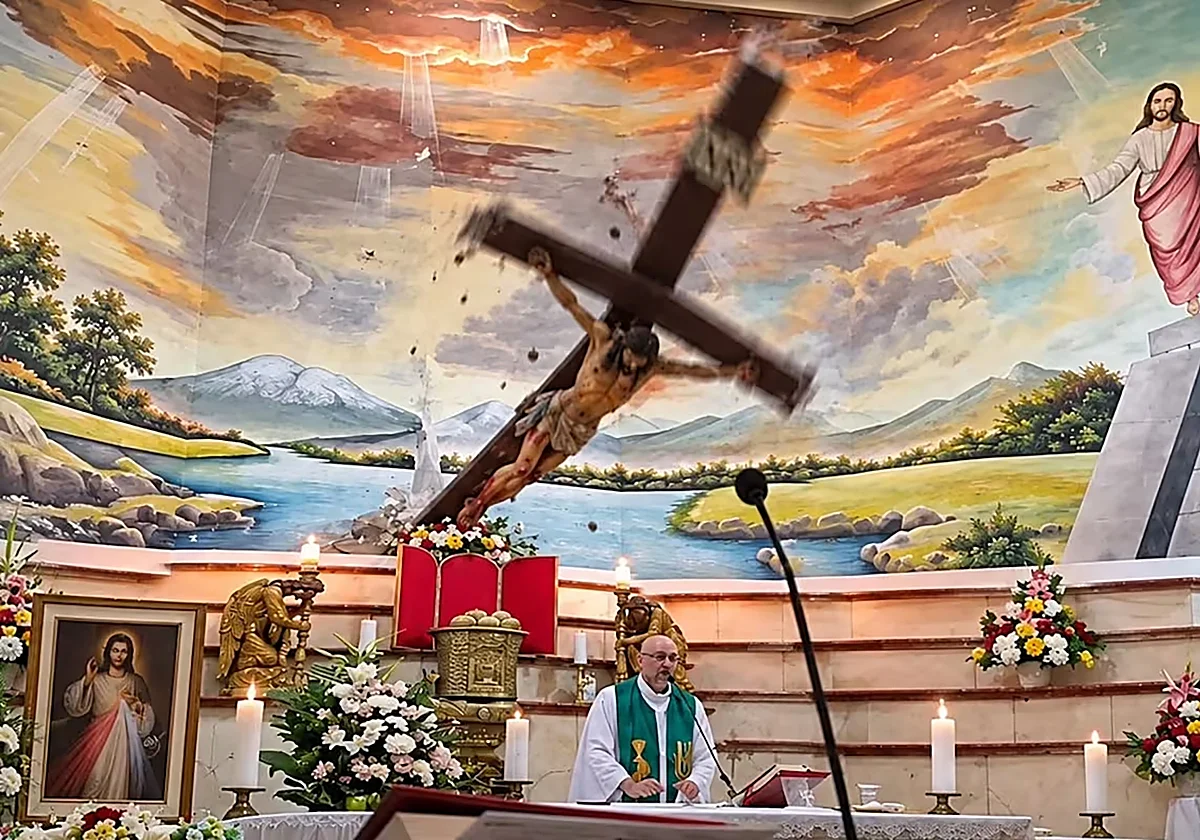
Priest Dies After Crucifix Falls During Livestreamed Mass in Ecuador
The death of parish priest Patricio Alfredo Sánchez Molinari in Guayaquil has been confirmed by the archdiocese after a falling crucifix struck him during a livestreamed service.
18 sources · today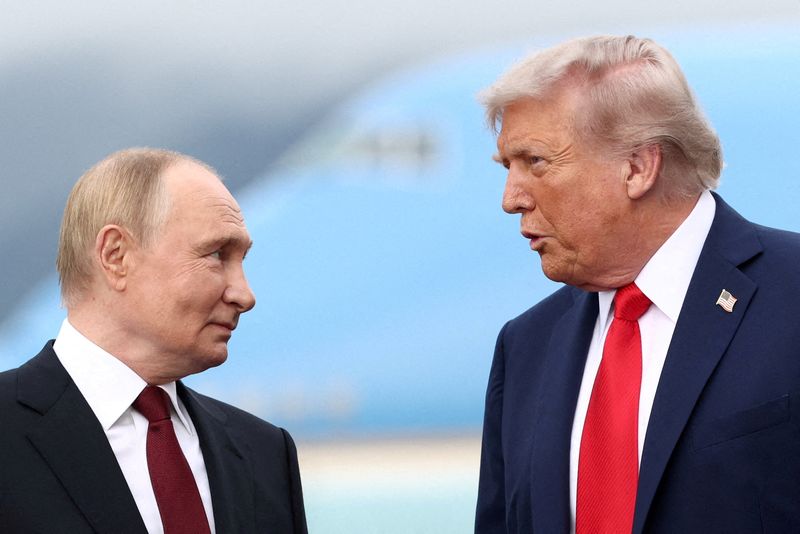
Putin Proposes Ukraine Summit With Trump and Xi, Excluding Zelenskyy
The reported proposal would put Ukraine's war before three leaders without Kyiv at the table, but Trump has not agreed and a November meeting remains uncertain.
16 sources · today
Tiger Shroff escapes Mumbai shooting as driver hurt and manhunt begins
Tiger Shroff escaped unhurt after gunfire in Mumbai's Juhu area, while his driver was injured and police began searching for the attackers amid conflicting accounts of the shooting.
14 sources · today