
Trump Endorses Netanyahu After Talks on Possible Iran Strike Before Elections
Trump's endorsement comes nine days before Israel votes, following reports of Iran strike discussions and Netanyahu's statement that he is not seeking an attack before the election.
By Hushread Stories, written with AI from 14 outlets · First published 18 Oct 2026
In brief
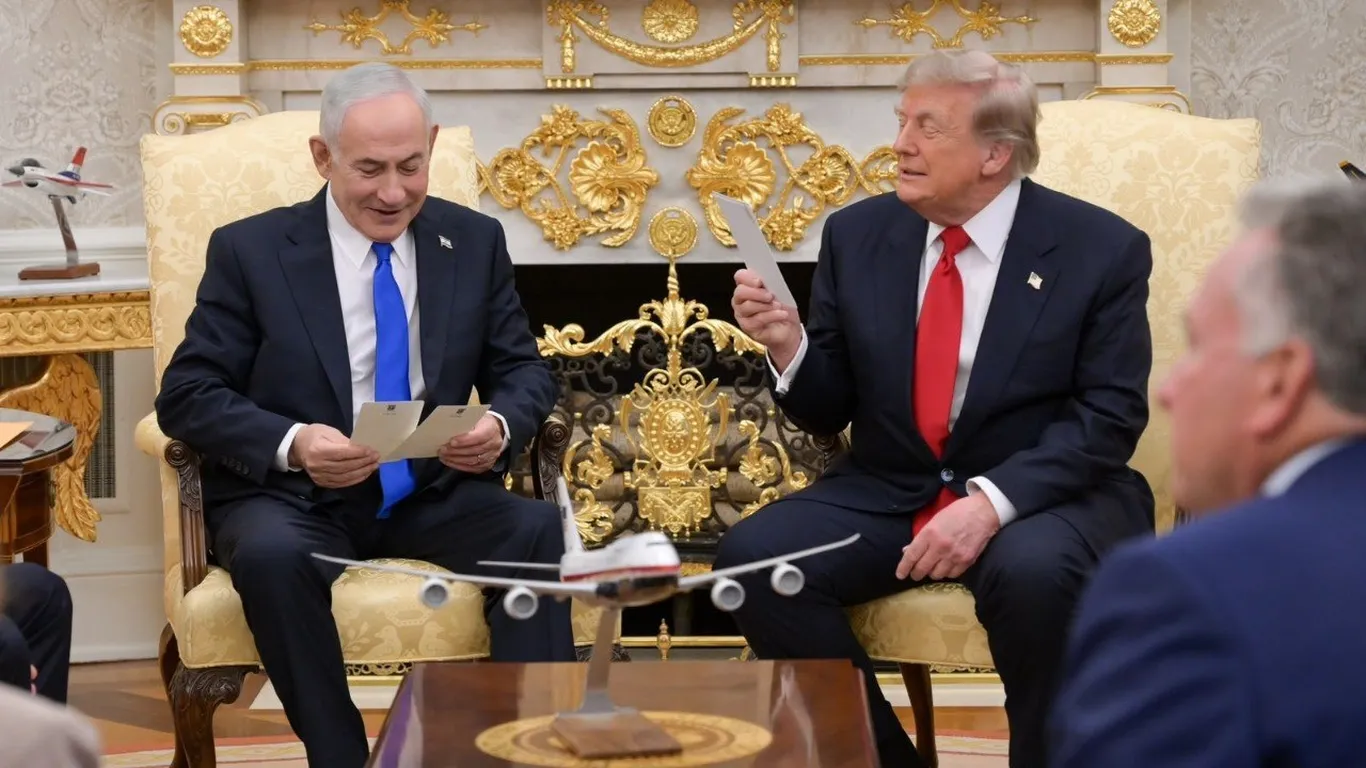
- Trump and Netanyahu discussed a possible major operation against Iran before elections in Israel and the United States.
- Netanyahu subsequently said he was not seeking to attack Iran again before the Israeli election.
- He declined to elaborate on a possible strike after the election or recent discussions with Washington.
- Trump endorsed Netanyahu on October 18, nine days before Israel's October 27 election, praising him as a warrior.
- The coverage does not establish that either leader has approved a new military operation against Iran.
Timeline · 5 moments
Trump endorses Netanyahu nine days before Israeli election
Axios ↗Trump rules out nuclear weapons while considering massive bomb
Times of Israel - Iran ↗Trump's answer on trusting Netanyahu invokes distrust of politicians
Middle East Eye ↗Netanyahu says he is not seeking attack before election
The Hindu ↗Trump and Netanyahu discussed Iran operation before elections
Axios ↗How it started
The story began with reported discussions about another military operation against Iran, with elections approaching in both Israel and the United States. On October 13, Axios reported that President Trump and Israeli Prime Minister Benjamin Netanyahu had discussed a possible major operation the previous week, citing two U.S. officials.
The timing was central to the report: whether to act before the elections or wait. That was a discussion of a possibility, not a reported announcement that an attack had been approved.
How it unfolded
On October 14, Middle East Eye reported that Netanyahu had pressed Trump to resume the war against Iran. That account portrayed Netanyahu as pushing for action, rather than simply considering options with Washington.
Netanyahu's public position that day was different. He said he was not seeking to attack Iran again before the Israeli election, according to The Hindu. The reported private pressure and his public statement point in different directions, but the supplied coverage does not resolve that tension.
His statement also left an important limit. NDTV Top Stories reported that Netanyahu would not elaborate on a possible preemptive strike after the election or on his recent discussions with Washington. His comments therefore did not amount to ruling out later action.
On October 15, Trump was asked whether he trusted Netanyahu. He responded that he did not trust anybody in politics, according to Middle East Eye, which reported the remarks on October 16. In separate coverage that day, Times of Israel - Iran reported that Trump said the United States would not use nuclear weapons against Iran, while considering dropping the "Mother of All Bombs."
On October 18, Trump publicly endorsed Netanyahu. Axios placed the endorsement nine days before Israel's October 27 election, while Sky News reported that Trump called him a "great warrior prime minister."
Where it stands
Trump has now explicitly backed Netanyahu's election campaign after the reported Iran discussions. The endorsement also carried an Iran warning: according to Times now, Trump said the United States would have to take on Iran itself if Israel chose another leader.
The military position is less settled than the political endorsement. Netanyahu has publicly said he is not seeking an attack before Israel votes, but has declined to discuss the possibility afterward. The supplied coverage does not establish an agreed strike plan, an authorization or a date for action.
What to watch
Israel's October 27 election is the next fixed date in the coverage. The immediate question is whether Netanyahu maintains his stated position against seeking an attack before that vote, and whether either government gives a clearer account of the military discussions.
The period after the election remains an open question because Netanyahu declined to elaborate on it, as NDTV Top Stories reported. Nothing in the supplied coverage establishes what would trigger a new operation or whether the two leaders agree on one.
More in World
All →
CJP Leaders Detained in Delhi: Dipke Granted Bail, Associates Await Release
Abhijeet Dipke vowed to continue the protest against the SIR of electoral rolls after securing conditional bail, while associates remained in custody.
23 sources · over 6 days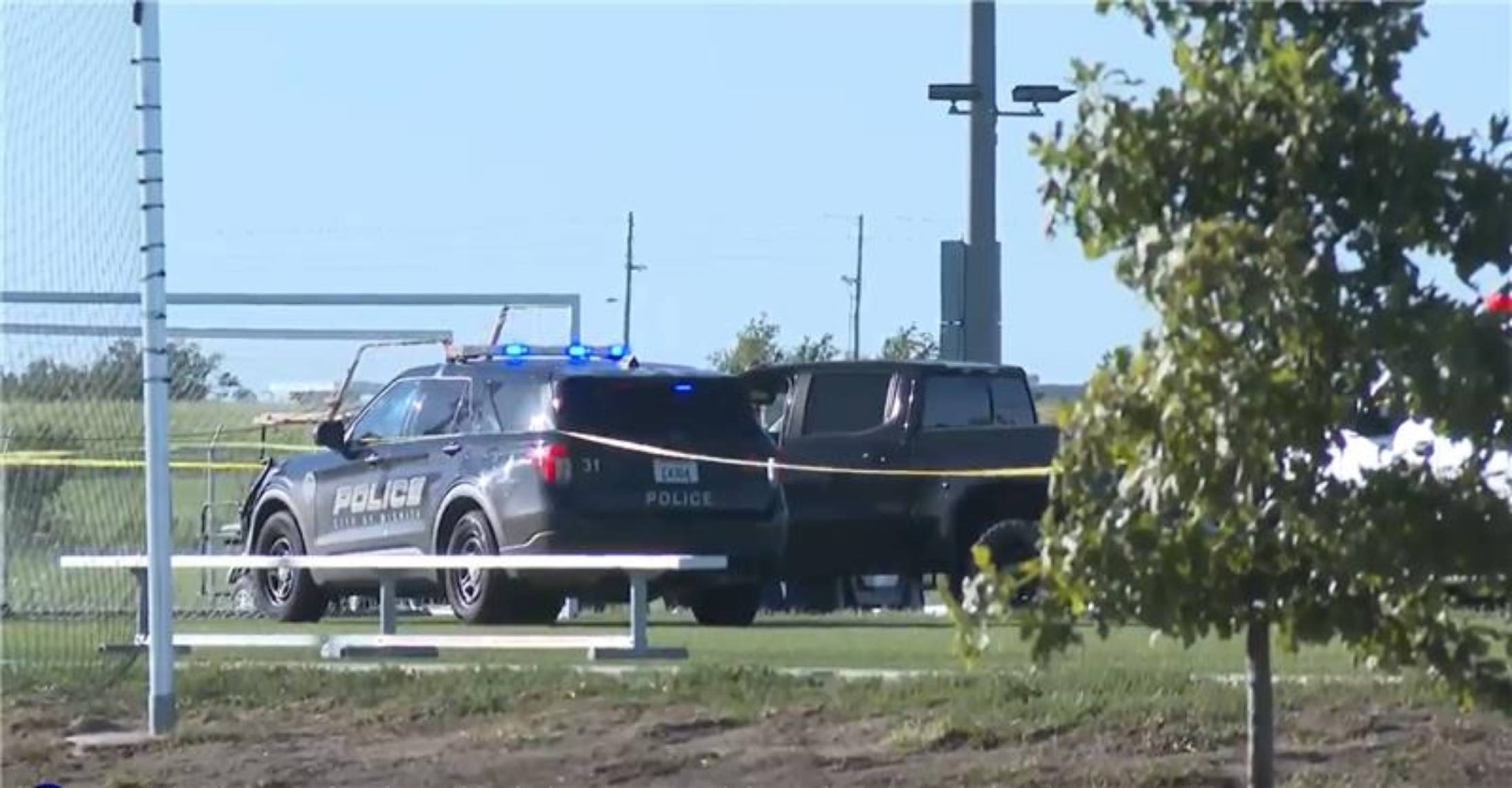
Child and Adult Killed After Vehicle Drives Through Wichita Soccer Game
Police say a child and an adult were killed and multiple others injured at a Wichita soccer game on Saturday, with a driver now reported in custody.
20 sources · today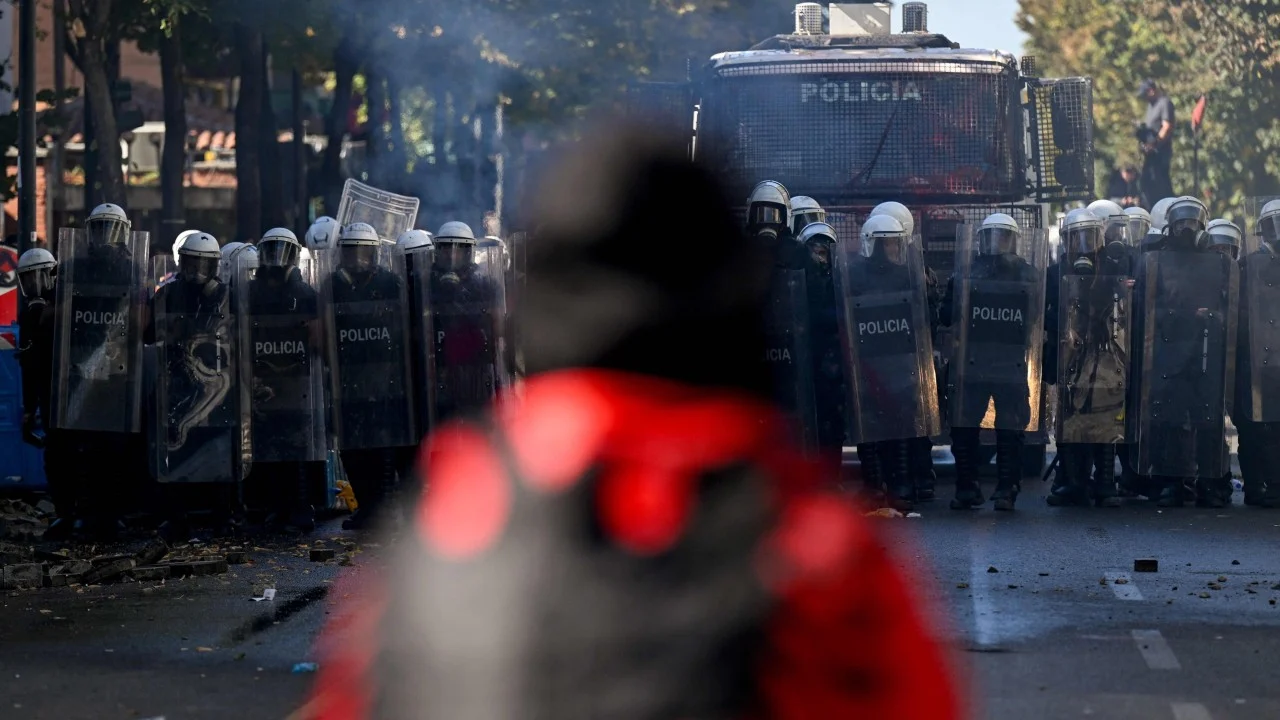
Albania Protests Enter Sixth Day as Clashes Continue in Tirana
Hundreds again demanded Prime Minister Edi Rama's resignation as police used rubber bullets, water cannons and tear gas.
31 sources · over 5 days