
Trump expands dyed diesel access, then announces Russian supply deal
Diesel prices remain elevated despite a temporary fuel waiver, while Trump's newly announced agreement with Russia adds a supply pledge weeks before the US midterm elections.
By Hushread Stories, written with AI from 19 outlets · First published 9 Oct 2026
In brief
- President Donald Trump eased restrictions on red dyed diesel, allowing its temporary use by highway drivers.
- The fuel has the same chemical composition as ordinary diesel but is dyed to identify its tax exempt status.
- Industry groups warned truck stops against selling the fuel, citing limited upside and unresolved tax concerns.
- US diesel prices remained high on October 9 despite Trump's efforts to increase available fuel supplies.
- Trump announced that Russia would immediately release hundreds of thousands of tons of diesel, with delivery details still unclear.
Timeline · 5 moments
Trump announces Russian diesel release onto global market
NBC News ↗US diesel prices remain high despite supply measures
Reuters ↗Fuel industry warns truck stops against dyed diesel sales
NBC News ↗Experts forecast limited benefits for farmers and truckers
CBS Top Stories ↗Trump displays signed diesel order at Nebraska rally
VOX ↗How it started
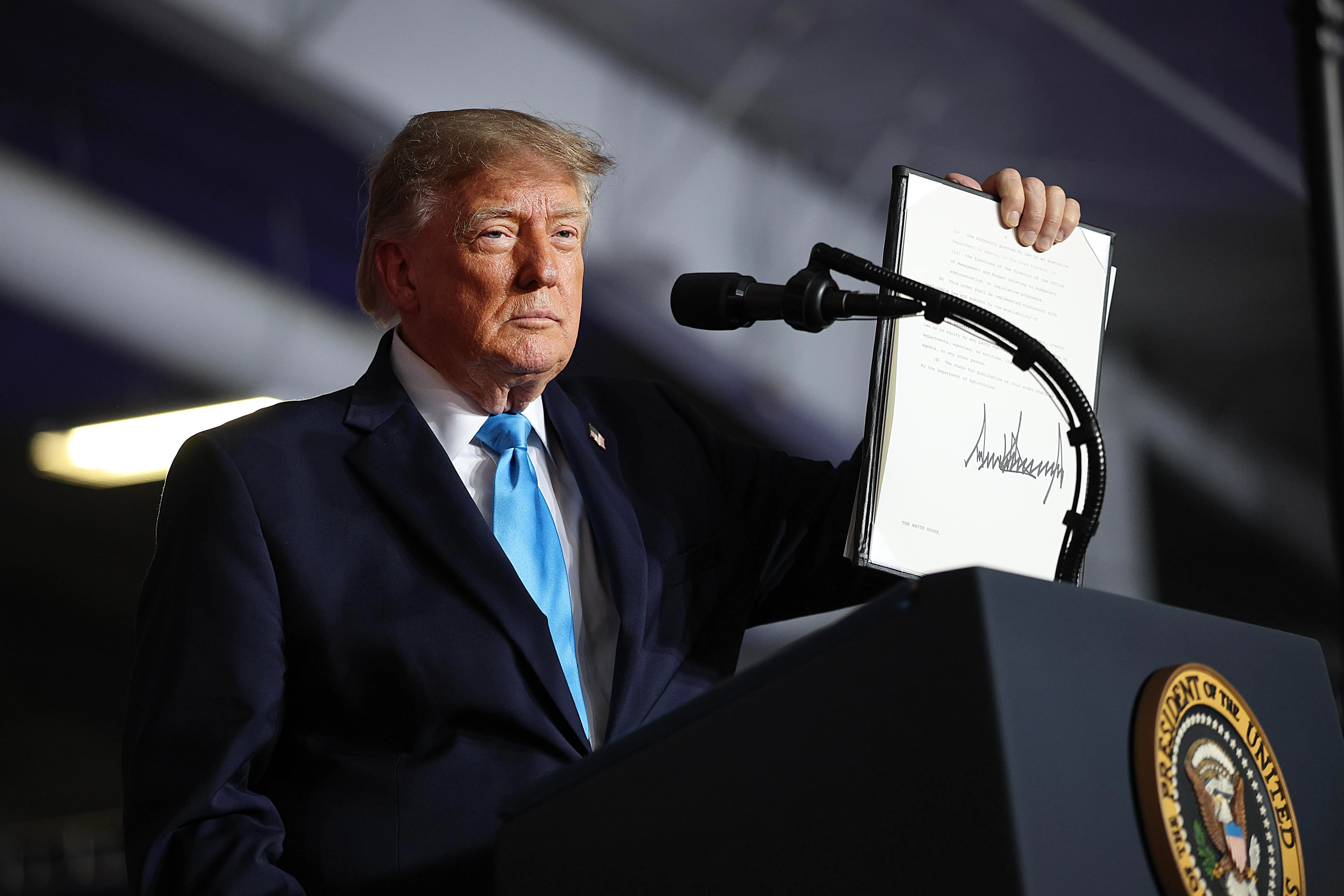
President Donald Trump signed an executive order easing restrictions on red-dyed diesel to bring down diesel costs, NBC News reported. He displayed the signed order at a rally in Grand Island, Nebraska, on October 5, according to VOX.
Red-dyed diesel has the same chemical composition as ordinary diesel. The dye identifies its tax-exempt status, and it is typically used in off-road farming equipment such as tractors, according to the New York Post. NPR News reported that construction vehicles also normally use it.
The change allows highway drivers to use the fuel through the end of 2026, MarketWatch reported. But expanded permission to use it is not the same as a guaranteed reduction in the price drivers pay.
How it unfolded
On October 6, the first assessments pointed to modest benefits. Experts told CBS Top Stories that the order would have a limited impact on farmers and truckers who rely on diesel. MarketWatch also reported that local tax and other concerns remained despite the waiver.
By October 7, fuel industry groups were warning truck stops to be careful. A major industry group told operators nationwide to "proceed with caution," according to NBC News. The Hill reported that industry groups saw "limited upside" in selling red-dyed diesel.
The political pressure was growing alongside fuel costs. On October 7, CNBC reported that the order came amid mounting pressure on Trump to address surging diesel prices, with the midterm elections only a month away.
On October 9, Reuters reported that US diesel prices remained high despite Trump's moves to boost supplies. That day, Trump promised "big news" on diesel as prices remained near record highs, according to Middle East Eye.
Later on October 9, Trump announced a separate supply agreement with Russia. He said Russian President Vladimir Putin would immediately release hundreds of thousands of tons of diesel onto the global market, NBC News reported. Deutschlandfunk reported that the Russian side confirmed an agreement existed.
Where it stands
The temporary diesel waiver has not yet produced broad price relief in the coverage provided. Reuters reported elevated prices on October 9, while the industry warnings reported by NBC News show why permission to sell the fuel may not translate into widespread sales.
The Russian agreement adds a new supply pledge, but the reports differ on its immediate volume and destination. NRK reported Trump's claim of more than 300,000 tons for the American and global markets. nu.nl described 300,000 tons going directly to the United States, while NBC News described hundreds of thousands of tons entering the global market. These accounts should not be treated as a single settled delivery plan.
What to watch
The next practical test for the waiver is whether truck stops sell red-dyed diesel despite the industry warnings, and whether local tax concerns are resolved. The permission reported by MarketWatch runs through the end of 2026, but the coverage does not establish how widely retailers will use it.
For the Russian agreement, the open questions are when the promised diesel reaches buyers, where it goes and whether prices fall. RT en Español - Noticias reported Trump's claim of another 500,000 tons during November and one million additional tons immediately afterward. Those are announced quantities, not evidence in the supplied coverage of completed deliveries.
More in World
All →
Houthi Attacks Kill Three at Riyadh Airport, Disrupt Flights
Saudi authorities say three people, including an airline pilot, were killed in attacks on Riyadh's airport as airlines suspended flights and India advised nationals to stay alert.
30 sources · over 2 days
Iran claims LPG tanker strike and threatens shipping beyond Hormuz
Iran's widening threats against commercial vessels are testing a recovery in Middle East oil shipments, while Washington adds sanctions and tanker attacks push prices higher.
47 sources · over 6 days
Trump Says No Iran Strikes Before Midterms After Military Readiness Reports
Trump's statement narrows the immediate prospect of renewed fighting, after reports that the Pentagon ordered preparations for major operations in Iran without setting a launch date.
41 sources · over 2 days