
Trump pauses Russia sanctions after diesel deal, drawing criticism from Zelensky
The waiver blocks new economic penalties just before implementation, widening the dispute over Russian energy purchases as Ukraine seeks more European funding for its war effort.
By Hushread Stories, written with AI from 85 outlets · First published 17 Oct 2026 · Chapter 10 of 10
Earlier: Trump Suspends New Russia Sanctions as Ukraine Seeks European Backing
In brief
- President Donald Trump signed an executive order Friday suspending new sanctions against Russia, citing American national interests.
- The decision followed a deal to buy Russian diesel intended to help bring down global energy prices.
- Ukrainian President Volodymyr Zelensky urged supporters Saturday to defend the sanctions package that Trump had paused.
- The waiver also prevents steep new tariffs on major Russian oil buyers, including India, from taking effect.
- Zelensky sought an additional €70 billion from European allies to finance Ukraine's war effort next year.
Timeline · 5 moments
Putin's envoy praises sanctions waiver as historic moment
The Hindu ↗Zelensky urges supporters to defend paused US sanctions
Associated Press ↗Trump signs order suspending new sanctions against Russia
NBC News ↗EU leaders reaffirm support for Ukraine at Brussels summit
Deutsche Welle ↗Zelensky seeks €70 billion more from European allies
© Nicolas Tucat, AFP ↗How it started
The dispute centres on competing approaches to Russian energy revenue. President Donald Trump agreed to buy Russian diesel to try to lower global energy prices, according to the Sydney Morning Herald. Ukrainian President Volodymyr Zelensky argued that the energy agreement would finance Russia's offensive, Perfil.com reported.
The deal also collided with a sanctions law Trump had recently approved. According to CNBC, he signed the Graham Bill, which targeted Russia over its invasion of Ukraine, into law in September. Global News reported that the legislation sought to restrict the financial resources funding the war.
How it unfolded
On October 16, Zelensky turned to European allies for more financial backing. He asked Brussels for an additional €70 billion to fund the war against Russia next year, according to AFP.
European leaders reaffirmed support for Ukraine at the Brussels summit, Deutsche Welle reported. Its coverage also described worsening relations with Washington and a large budget shortfall facing Ukraine ahead of winter.
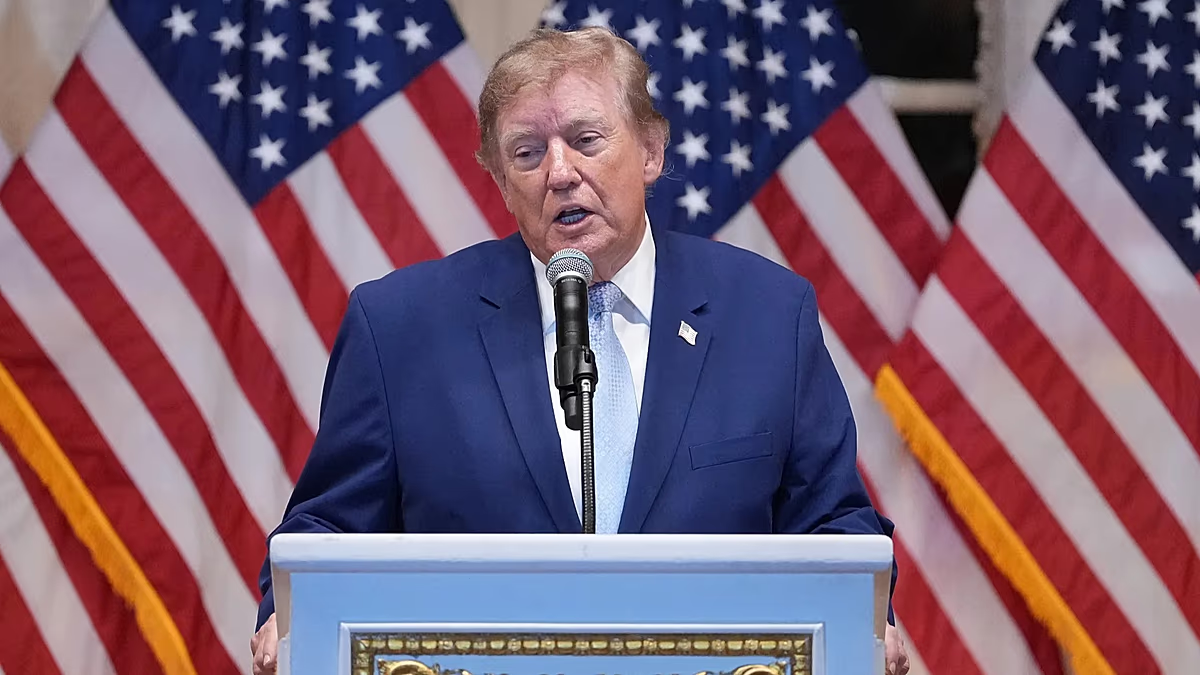
Late on October 16, Trump signed an executive order suspending the new sanctions. He said the decision "is in the national interests of the United States," according to NBC News. The move followed the diesel purchase agreement.
The waiver extended beyond penalties aimed directly at Russia. CBS Top Stories reported that Trump also stopped hefty tariffs on large buyers of Russian oil from taking effect. India Today reported that India had faced tariffs of 100 percent.
On October 17, Zelensky urged supporters to speak out in defence of the sanctions, according to the Associated Press. NBC News reported that he accused Trump of "rewarding Putin." Meanwhile, Putin's envoy praised the decision as a "historic moment," according to The Hindu.
Where it stands
The new sanctions package is on hold, rather than taking effect as Congress intended. The coverage differs on the precise implementation deadline: ABCNews.com described the penalties as two days away, while India Today said the India tariffs were due a day later. Both reported that Trump intervened before implementation.
The immediate divide is clear. Washington is pursuing cheaper energy through Russian supplies, while Zelensky is pressing for financial pressure on Russia and more European funding for Ukraine. Analysts cited by Al Jazeera said Russia would benefit most from the waiver.
What to watch
The next issues are whether European allies provide the additional funding Zelensky requested and whether the suspended penalties return. Business Line reported that experts see the threat of revived tariffs as potential leverage in trade talks, leaving major Russian oil buyers with relief but continuing uncertainty.
More in World
All →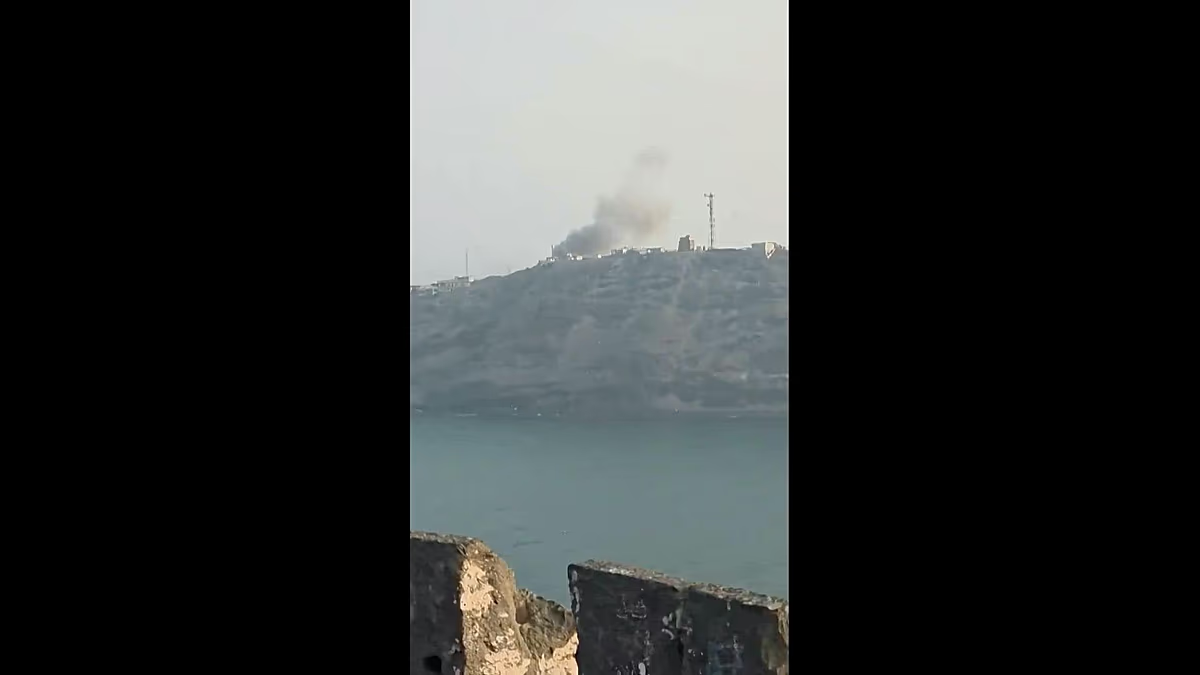
Houthis Strike Aden Palace and Airport as Fighting Intensifies Around Taiz
Deadly strikes on Yemen's government seat and renewed attacks on Aden airport accompany fighting around Taiz, widening pressure on government forces and their Saudi allies.
41 sources · over 6 days
Ilhan Omar Home Search Expands Into Citizenship Inquiry and Family Subpoenas
Federal investigators have seized phones and subpoenaed relatives as scrutiny of Ilhan Omar's immigration history intensifies, while she denies wrongdoing and calls the search political intimidation.
60 sources · over 6 days
Rubio Plans India Energy Talks and Visit to Reliance Refinery
A confirmed October 20 meeting with S. Jaishankar puts diplomacy alongside refinery and business discussions, as rising US diesel prices sharpen attention on energy cooperation.
16 sources · over 4 days