
Trump Suspends New Russia Sanctions as Ukraine Seeks European Backing
The waiver follows a US deal to buy Russian diesel, easing pressure on Moscow as Ukraine seeks more European funding and relations with Washington deteriorate.
By Hushread Stories, written with AI from 85 outlets · First published 17 Oct 2026 · Chapter 9 of 9
Earlier: Trump Pauses Russia Sanctions as Diesel Deal Deepens Rift With Zelensky
In brief
- President Donald Trump suspended a sweeping Russia sanctions package on Friday, citing the national interest of the United States.
- The decision follows an agreement to purchase Russian diesel in an effort to bring down global energy prices.
- The waiver also prevents new tariffs from taking effect against major buyers of Russian oil, including India.
- Ukrainian President Volodymyr Zelenskyy sought an additional €70 billion from European allies to fund next year's war effort.
- Zelenskyy lamented the suspension on Saturday, while Putin's envoy praised the decision as a historic moment.
Timeline · 6 moments
Putin's envoy praises sanctions waiver as historic
The Hindu ↗Zelenskyy laments temporary suspension of Russia sanctions
Infobae ↗Trump signs order suspending new Russia sanctions
Associated Press ↗Trump describes relationship with Zelenskyy as good
CNN Brasil ↗Zelenskyy warns Russian ambitions extend beyond eastern Ukraine
Al Jazeera ↗Zelenskyy seeks €70 billion from European allies
© Nicolas Tucat, AFP ↗How it started
The immediate dispute centres on Russian energy revenues and Washington's willingness to restrict them. President Donald Trump signed the Graham Act in September, targeting Russia over its invasion of Ukraine, according to CNBC. Global News reported that the legislation sought to restrict the financial resources funding the war.
But Washington then agreed to purchase Russian diesel to try to bring down global energy prices. The Sydney Morning Herald reported that Trump announced the agreement a week before suspending the new sanctions. That set up a conflict between the administration's energy policy and the pressure Congress had sought to impose on Moscow.
How it unfolded
On October 16, Ukrainian President Volodymyr Zelenskyy appealed to European allies for additional support at the Brussels summit. He sought €70 billion to fund the war against Russia next year, according to AFP. Deutsche Welle reported that EU leaders reaffirmed their backing for Ukraine, which faces a large budget gap and a difficult winter.
Zelenskyy also warned that Russia's ambitions extended beyond eastern Ukraine and that its drone attacks threatened NATO, Al Jazeera reported. His appeal placed the dispute with Washington in the wider context of European security.
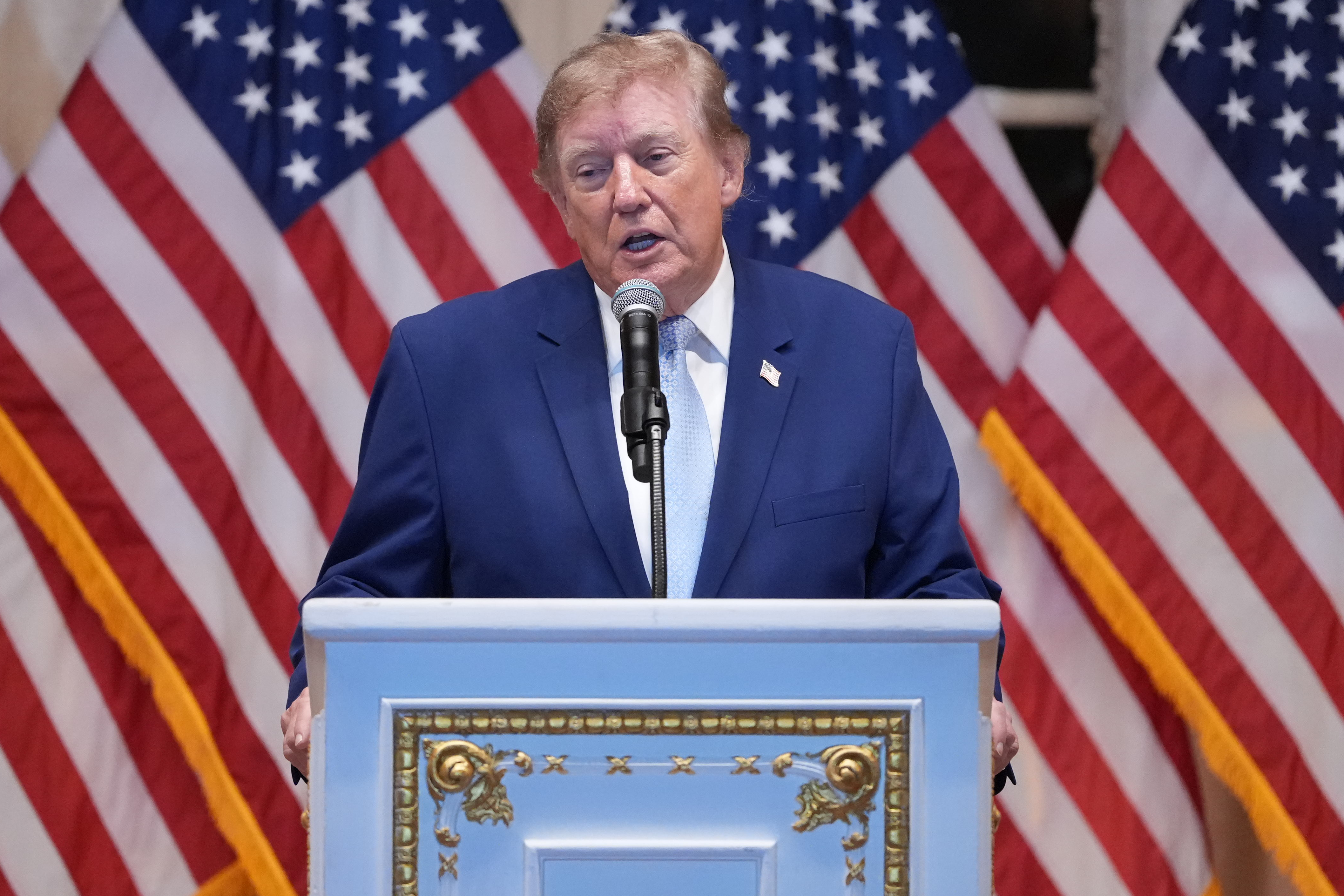
Trump offered a more reassuring description of his personal relationship with Zelenskyy that Friday. He told reporters it was good despite significant disagreements between them, according to CNN Brasil.
Late on October 16, Trump signed an executive order putting the new Russia sanctions package on hold, telling Congress the pause was in the US national interest, the Associated Press reported. The decision covered sanctions Congress had passed and Trump had recently signed into law.
The order also stopped hefty tariffs on large buyers of Russian oil from taking effect. CBS reported that the move formed part of Trump's effort to ease prices by tapping Russian energy.
Where it stands
The new sanctions package is suspended, not a fresh agreement to end attacks on energy infrastructure. The supplied coverage does not report a new Ukraine-Russia energy ceasefire or a breakthrough in ceasefire negotiations.
On October 17, Zelenskyy lamented Trump's temporary suspension of the sanctions, according to Infobae. Putin's envoy, by contrast, hailed it as a historic moment, The Hindu reported. That report distinguished the envoy's praise from an official response by the Kremlin or Putin, neither of whom had yet reacted.
The waiver also provides relief for major Russian oil buyers. India Today reported that it prevented threatened 100% tariffs on India, while Al Jazeera reported analysts' assessment that Russia would benefit most.
What to watch
The next funding question is whether European allies will meet Ukraine's request for additional money. Their reaffirmed political support at the Brussels summit did not, in the supplied reporting, establish that the €70 billion request had been funded.
The durability of the sanctions reprieve also matters. Business Line reported experts' warnings that the threat of revived tariffs could become leverage in trade talks. For now, the reported development is a suspension of economic pressure on Russia, with no accompanying ceasefire breakthrough established.
More in World
All →
Jeffrey Donaldson sentenced to 15 years for child sex offences
The former DUP leader's sentence follows convictions for 18 offences against two children, while his effort to appeal leaves a further legal question unresolved.
14 sources · over 4 days
Illinois Hindu Temple Attack Plot Prompts Calls for Federal Hate Crime Investigation
US lawmakers are seeking a federal hate crime investigation after authorities arrested a teenager accused of planning a mass shooting at a Hindu temple near Chicago.
17 sources · over 2 days
France Student Protests Expand Into Nationwide Rallies Over Living Costs
Students, unions and Yellow Vest activists are joining nationwide demonstrations as anger over school conditions broadens, with police firing tear gas in Paris and Marseille.
48 sources · over 9 days