
Trump Pauses Russia Sanctions as Diesel Deal Deepens Rift With Zelensky
The sanctions waiver advances Trump's effort to lower energy prices through Russian supplies, while Ukraine warns the diesel deal could help finance Moscow's war.
By Hushread Stories, written with AI from 84 outlets · First published 17 Oct 2026 · Chapter 8 of 8
Earlier: Trump Condemns Ukraine's Renewed Refinery Strikes as Zelenskyy Seeks European Backing
In brief
- President Donald Trump signed an executive order Friday pausing new sanctions targeting Russia, citing United States national interests.
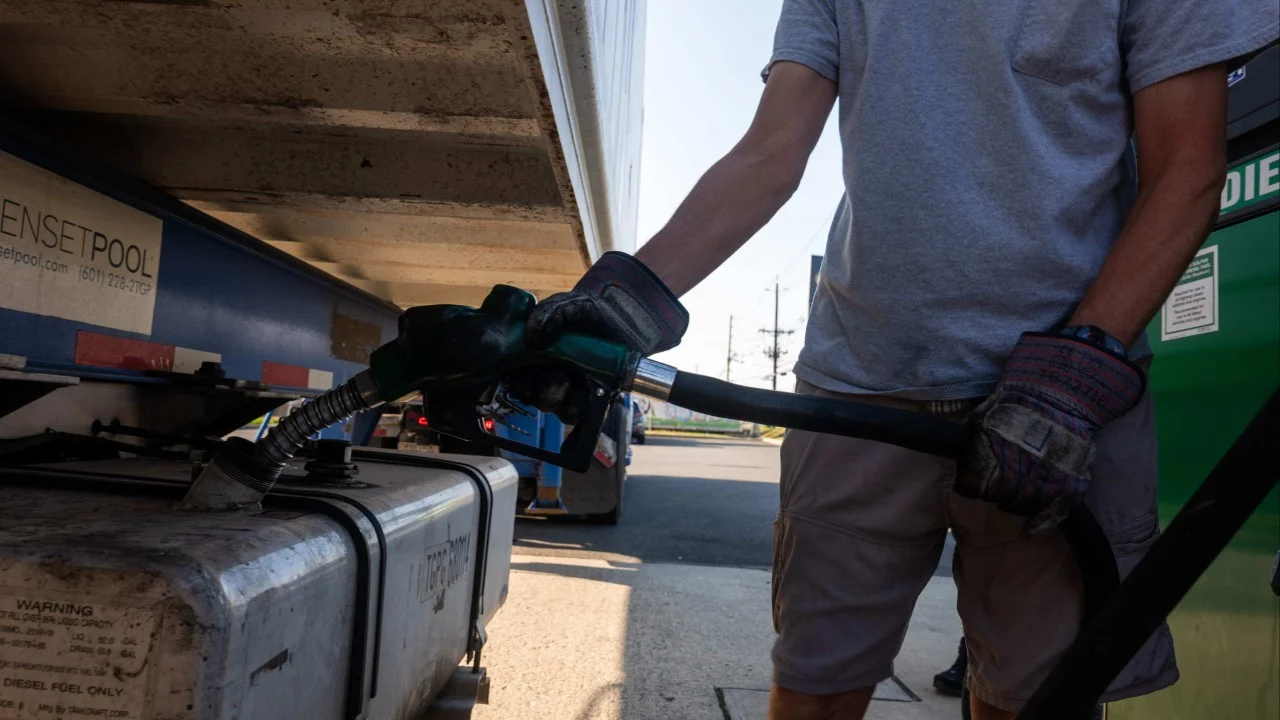
- The decision followed a deal to purchase Russian diesel in an effort to bring down global energy prices.
- Ukrainian President Volodymyr Zelensky warned that the diesel agreement would provide more money for Russia's war against Ukraine.
- The waiver also prevented hefty tariffs on major buyers of Russian oil from taking effect.
- Zelensky asked European Union leaders for an additional seventy billion euros next year to sustain Ukraine's war effort.
Timeline · 4 moments
EU leaders reaffirm support for Ukraine in Brussels
Deutsche Welle ↗Zelensky asks Europe for seventy billion euros more
South China Morning Post ↗Zelenskyy says Trump remains easier to deal with
Euronews ↗Zelensky warns diesel deal will fund Russia's war
World News Headlines, Latest International News, World Breaking News - Times of India News ↗How it started
The dispute began with a sharp difference over Russian energy sales. Trump agreed to purchase diesel from Russia to try to lower global energy prices, the Sydney Morning Herald reported. Its October 17 report placed that announcement a week earlier.
For Kyiv, the concern is where that money goes. Zelensky warned that the agreement would put money in "Putin's pocket" and could never offset the impact of the closure of the Strait of Hormuz, according to The Independent.
How it unfolded
On October 16, Zelensky publicly challenged the diesel agreement. He warned that allowing such deals could lead to similar arrangements involving Russian gas and other sectors, News18 reported.
The disagreement also became personal. Trump said he found Russian President Vladimir Putin easier to deal with than Zelensky, according to NDTV. But Zelenskyy told Euronews that Trump remained easier to deal with than Putin, despite the US president's criticism and calls for new leadership in Ukraine.
At the Brussels summit that Friday, Zelensky turned to Europe for financial support. He asked European Union leaders for an additional 70 billion euros, about $79 billion, for the following year, according to the South China Morning Post. EU leaders reaffirmed their support for Ukraine, Deutsche Welle reported.
Trump then signed an executive order Friday evening putting a sweeping new Russian sanctions package on hold, according to The Associated Press, which reported the decision on October 17. He told Congress the pause was in the national interest.
The order also stopped hefty tariffs on large-scale buyers of Russian oil from taking effect, CBS reported. The sanctions package was legislation Trump himself had signed the previous month, according to NDTV.
Where it stands
The waiver turns the energy dispute into a concrete change in US policy. Congress had passed the sanctions to punish Russia for its war against Ukraine, but Trump used presidential authority to block numerous measures, the BBC reported. The coverage describes a pause in new sanctions, not the removal of every existing restriction on Russia.
The two governments remain publicly at odds over the diesel deal, although Trump told reporters on October 16 that his relationship with Zelensky was good, according to CNN Brasil. Ukraine, meanwhile, faces a large budget gap and a difficult winter as relations with Washington deteriorate, Deutsche Welle reported.
What to watch
The immediate funding question is whether European leaders will meet Ukraine's request for another 70 billion euros next year. Their reaffirmation of support does not establish that the additional money has been committed, based on the accounts from the South China Morning Post and Deutsche Welle.
The other test is whether Russian energy purchases deliver the price relief Trump is seeking. Al Jazeera reported that easing energy prices was the aim of the waiver, while Zelensky's warning remains that those purchases will strengthen Russia's war finances.
More in World
All →
Israeli settlers burn West Bank mosque and attack Palestinian olive harvest
Attacks on a mosque and olive groves have been followed by injuries to Palestinians and an American photojournalist, as settlers target the West Bank harvest.
32 sources · over 3 days
Timothy Busfield Indictment Dismissed in New Mexico Over Prosecutorial Misconduct
A judge has thrown out the indictment over prosecutors' conduct before the grand jury, but new charges remain possible as the district attorney's office evaluates its options.
15 sources · today
Four Killed, Including Three Children, in Oregon Elementary School Shooting
Police say a 16-year-old suspect opened fire at Silver Rail Elementary School in Bend and was killed by a community member.
58 sources · over 2 days