
Trump Pauses Russia Sanctions After Diesel Deal, Drawing Zelenskyy's Criticism
The waiver blocks new pressure on Russian energy revenues as Trump seeks cheaper fuel, while Zelenskyy warns that easing sanctions will encourage further Russian attacks.
By Hushread Stories, written with AI from 85 outlets · First published 18 Oct 2026 · Chapter 11 of 11
Earlier: Trump pauses Russia sanctions after diesel deal, drawing criticism from Zelensky
In brief
- President Donald Trump has paused a sweeping Russia sanctions package that Congress passed and he signed last month.
- The executive order follows an agreement to buy Russian diesel in an effort to lower global energy prices.
- The waiver also prevents hefty tariffs on major buyers of Russian oil from taking effect.
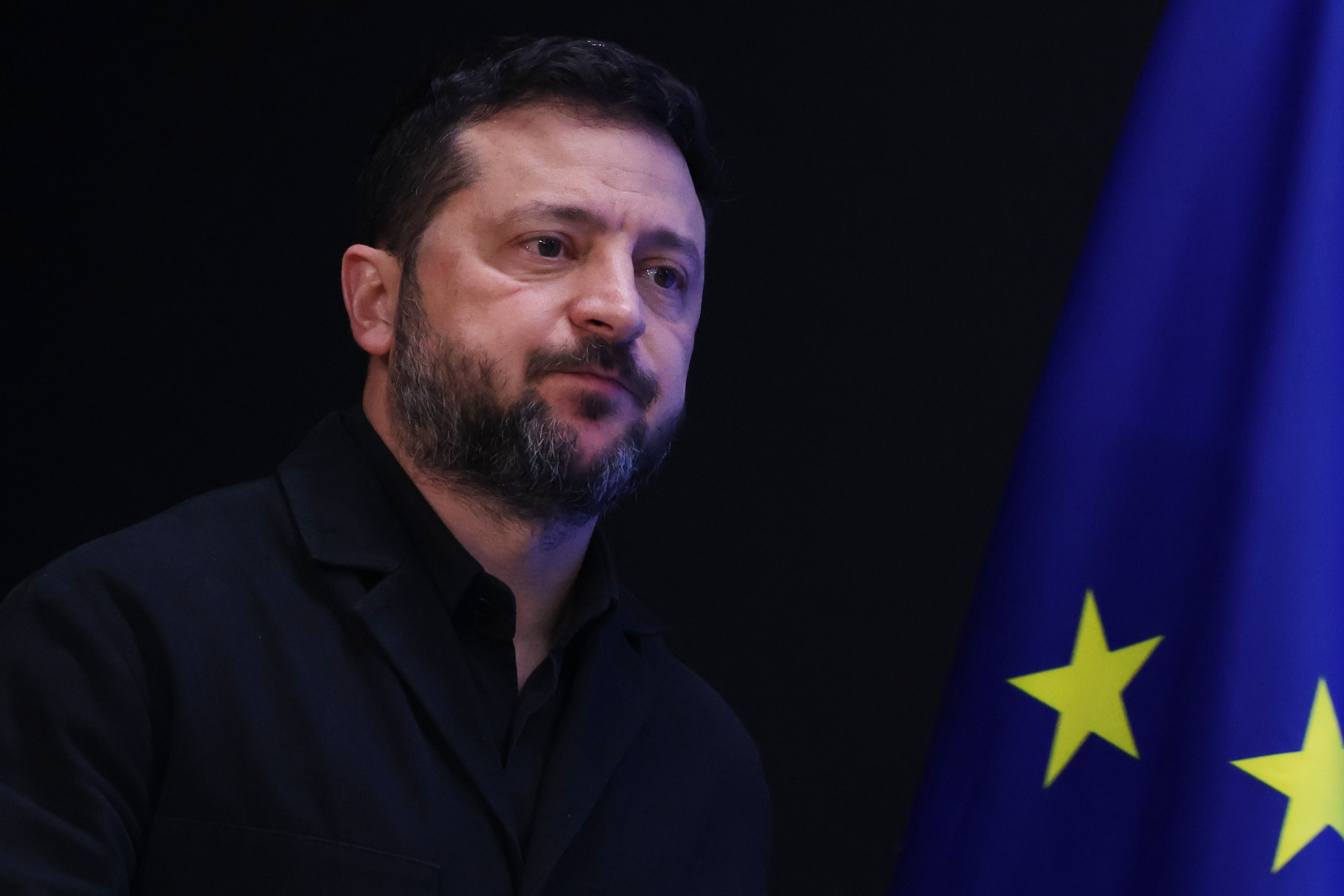
- Ukrainian President Volodymyr Zelenskyy urged supporters to defend the sanctions and warned that relief would encourage Russian attacks.
- Zelenskyy has also expressed willingness to join negotiations led by the United States to end the war.
Timeline · 5 moments
Zelenskyy expresses openness to talks led by Washington
The Hill ↗Zelenskyy seeks nearly $80 billion from European leaders
Japan Times ↗Putin's special envoy praises Trump's sanctions waiver
Times now ↗Zelenskyy urges supporters to defend suspended sanctions
Associated Press ↗Trump signs order pausing new Russia sanctions
The Hindu ↗How it started
The dispute centres on two competing priorities: lowering fuel prices and restricting the money available for Russia's war against Ukraine. Trump's diesel agreement with Russia has brought those aims into direct conflict.
Trump signed the Graham Act in September, according to CNBC. The legislation targeted Russia over its invasion of Ukraine. Global News reported that it sought to clamp down more quickly on financial resources fuelling the war.
But a week before pausing the sanctions, Trump announced that the United States had agreed to purchase Russian diesel to try to bring down global energy prices, according to the Sydney Morning Herald.
How it unfolded
On October 16, Trump signed an executive order suspending the new sanctions. He argued that the decision "is in the national interests of the United States," NBC News reported.
The decision also prevented hefty tariffs on large-scale buyers of Russian oil from taking effect, according to CBS Top Stories. Its reach therefore extends beyond Russia to countries purchasing its energy exports.
The coverage differs on the precise implementation deadline. ABCNews.com said the measures were set to take effect in two days, while Fanpage identified October 18 as the start date. Both described a waiver issued shortly before implementation.
On October 17, Ukrainian President Volodymyr Zelenskyy urged supporters to speak out in defence of the sanctions, according to the Associated Press. NBC News reported that he accused Trump of "rewarding Putin."
Russia's response was welcoming. Russian President Vladimir Putin's special envoy praised the waiver, according to Times now. The sharply different reactions reflect the immediate divide over whether cheaper energy justifies easing pressure on Moscow.
Where it stands
The new sanctions package is on hold, not proceeding as Congress intended when it passed the legislation. The coverage describes a waiver of new measures, rather than an end to all existing sanctions against Russia.
Zelenskyy says the decision is wrong because it emboldens Putin and encourages further Russian attacks, according to World News CNA. At the same time, he has expressed openness to negotiations led by the United States to end the war, The Hill reported.
Ukraine is also pressing Europe for financial support. Japan Times reported that Zelenskyy urged European Union leaders to provide nearly $80 billion more next year to finance Kyiv's fight.
What to watch
Whether Washington maintains the waiver or restores the suspended measures is the central policy question. The Hindu reported that Zelenskyy warned Trump could lift further sanctions, making the scope of any additional relief important to Ukraine.
The other pending issues are whether Zelenskyy's stated willingness to negotiate produces talks and whether European leaders commit the additional funding he has requested. The supplied coverage reports those appeals, but no completed agreement on either front.
More in World
All →
Iran reports supertanker mine strike as Hormuz shipping attacks intensify
Iran says a supertanker carrying more than two million barrels of crude hit a mine, as shipping losses mount and Washington disputes Tehran's control of Hormuz.
47 sources · over 9 days
Israeli settlers attack farmers, journalist and European diplomats in West Bank
Two days of attacks during the Palestinian olive harvest have injured civilians and a journalist and reached a European delegation, prompting Belgian calls for accountability and sanctions.
41 sources · over 4 days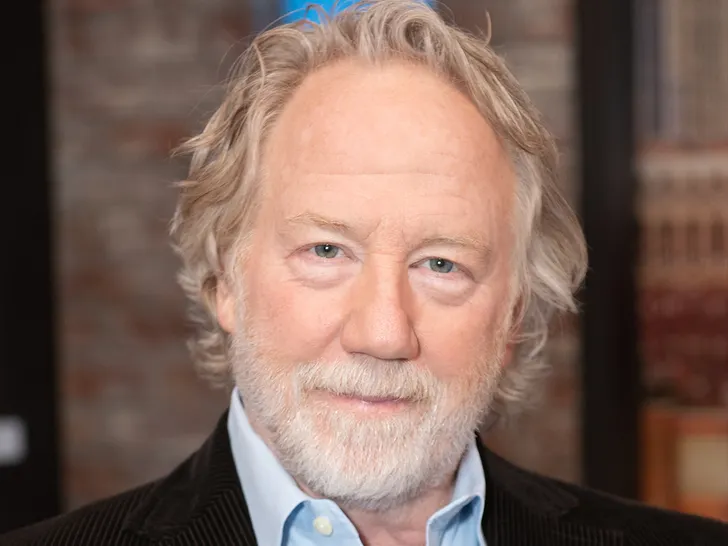
Timothy Busfield Indictment Dismissed in New Mexico Over Prosecutorial Misconduct
A judge has thrown out the indictment over prosecutors' conduct before the grand jury, but new charges remain possible as the district attorney's office evaluates its options.
16 sources · today