
Trump pulls back from Iran strikes as Tehran rejects talks speculation
US President Donald Trump says further strikes are unlikely after talks with Qatar, but Iran insists on its conditions and shipping dangers persist in the Strait of Hormuz.
By Hushread Stories, from 71 outlets · First published 11 Nov 2026 · Chapter 5 of 6
Earlier: Iran Tightens Hormuz Shipping Restrictions as US Expands Pressure and Talks Stall
In brief
- Trump described the Iran war as effectively over militarily but plans to maintain a naval blockade, according to [Iran International (English)](#2).
- The United States is holding off on major combat operations while continuing economic pressure, according to [dawn.com](#3).
- Iran urged Washington to accept its terms for reopening the Strait of Hormuz, with Foreign Minister Araghchi saying a proposal remains on the table, according to [dawn.com](#3).
- Attacks on shipping in the Strait of Hormuz pushed oil prices higher after a two-month decline, according to [Economic Times Business & Economy](#1).
- The Islamic Revolution Guards Corps Navy accused the United States of luring tankers into danger by claiming the waterway was open, according to [Mehr News (English)](#4).
Timeline · 9 moments
Iranian Guards accuse US of luring tankers into danger
Mehr News (English) ↗Shipping attacks lift oil prices after two-month decline
Economic Times Business & Economy ↗Iran presses US to accept terms for Hormuz reopening
dawn.com ↗Washington calls Iran's peace conditions absurd while downplaying attacks
Middle East Eye ↗Revolutionary Guards report two tanker explosions near Hormuz
IRNA English ↗Araghchi dismisses speculation about meeting involving Vance
Tehran Times ↗Iran urges Washington to accept seven previously announced conditions
ISNA (English) ↗Rezaei rejects reports of imaginary talks with Washington
Middle East Eye ↗Trump calls Iran war militarily effectively over after Qatar meeting
Hereford Times ↗Update 11 Nov 2026, 6:28 am UTC
The standoff has shifted from expectations of easing tensions to renewed concern over shipping attacks in the Strait of Hormuz. Oil prices rose after attacks on vessels, while Iran continued to press the United States to accept its terms for reopening the waterway and Washington maintained economic pressure, according to Economic Times Business & Economy and dawn.com.
How it started
The latest shift centres on whether Washington will resume strikes or pursue an agreement with Tehran. US President Donald Trump had threatened renewed attacks after the US midterm elections, according to NDTV Top Stories, but his comments on November 9 pointed away from that course.
Regional appeals helped shape the pause. CBC News reported that Trump planned to hold off on fresh strikes for the time being after appeals from countries in the region, including Qatar's prime minister during White House talks.
How it unfolded
On November 9, Trump said he believed the war with Iran was militarily "effectively over" after meeting Qatar's prime minister, Hereford Times reported. According to Axios, he also said a renewed military campaign was "quite unlikely" and "doesn't seem to be necessary."
Qatari Prime Minister Sheikh Mohammed bin Abdulrahman Al Thani described the discussions with the United States as "positive," The Hill reported on November 10. Trump's optimism followed calls with regional leaders as well as the meeting, according to the Financial Times.
Tehran pushed back against suggestions that talks were taking shape. In a post late on November 9, Mohsen Rezaei, secretary of Iran's Supreme National Security Council, rejected reports of "imaginary talks," according to Middle East Eye. On November 10, ISNA (English) reported that he called on US officials to accept Iran's seven previously announced conditions.
Iranian Foreign Minister Abbas Araghchi also dismissed speculation about a meeting between US Vice President JD Vance and Iran's secretary of the Supreme National Security Council, the Tehran Times reported on November 10. Separately, he said military action and intensified sanctions would not resolve the conflict, according to NDTV News - World-news News.
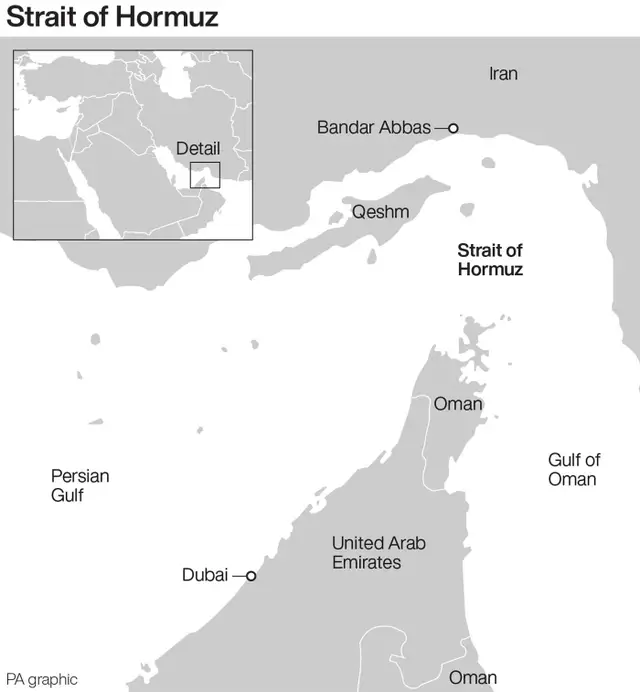
The diplomatic signals did not remove the danger at sea. On November 10, IRNA English reported that the Islamic Revolutionary Guard Corps Navy said two oil tankers had exploded on an unauthorized route south of the Strait of Hormuz and were left burning. That account is attributed to the force, rather than independently established in the supplied coverage.
Markets nevertheless reacted to the reduced prospect of US strikes. CNBC reported on November 10 that Brent crude fell below $90 a barrel for the first time since August.
Where it stands
Trump's description of the military campaign as effectively over is not an announcement of a peace agreement. He retained the threat of force, while the United States would maintain its economic blockade, according to Mint.
The two sides also remain far apart on terms. Middle East Eye reported that Washington was downplaying the likelihood of another attack while calling Iran's conditions for a political settlement "absurd." Gulf News reported that Tehran was demanding US action on its conditions for reopening the Strait of Hormuz.
The current coverage refers to seven Iranian conditions, rather than the five mentioned in the earlier story summary. ISNA (English) describes them as previously announced but does not set them out in the supplied report, so their contents cannot be established here.
What to watch
The immediate test is whether regional mediation produces agreed talks or concrete movement on the Strait of Hormuz. Gulf News reported that Qatar and Pakistan were leading mediation efforts, but Iran's public rejection of meeting speculation leaves the format and timing unresolved.
Shipping security remains another test of the diplomatic optimism. The reported tanker explosions show why a pause in US strikes alone does not establish that passage through the strait is safe, even as oil markets respond to hopes of de-escalation.
More in World
All →
Kolkata-Sairang Express Derails Near Guwahati as Reports Differ on Injuries
A report says a locomotive and five coaches derailed at Digaru, while accounts of injuries remain unsettled.
13 sources · today
Missing South Carolina Baby Found Alive Buried in Dog Crate
Authorities say Koah Sharpe survived roughly 24 hours buried in woodland after his father took him, and reports now say his father has been arrested.
15 sources · today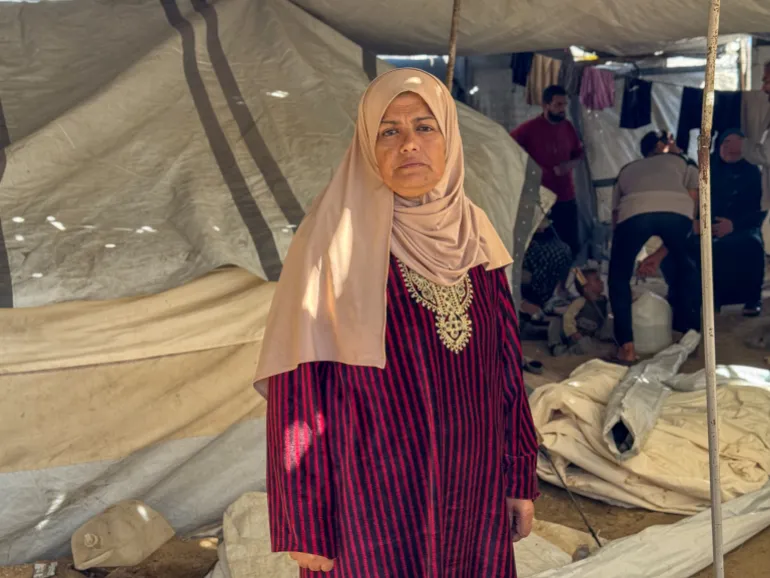
Gaza floods destroy tent shelters as families await blocked aid
Deadly weekend storms have left displaced Palestinians in soaked shelters, while aid agencies say 150,000 replacement tents await Israeli approval to enter Gaza.
24 sources · over 7 days