
Trump Weighs Renewed Iran Attacks After Republican Midterm Election Losses
Trump has acknowledged the war's electoral cost while keeping further strikes possible, as regional mediators push for a fresh ceasefire and renewed nuclear negotiations.
By Hushread Stories, from 9 outlets · First published 9 Nov 2026 · Chapter 4 of 4
Earlier: Trump Weighs Renewed Iran War After Republicans Lose in Midterm Elections
In brief
- Trump acknowledged that the Iran war and temporarily higher gasoline prices contributed to Republican midterm losses.
- He defended his decision to fight and said he would soon decide whether to resume broader attacks.
- Trump confirmed limited American strikes against an Iranian air defense system following consultations with national security advisers.
- He later said renewed war was very unlikely while negotiations over Iran's nuclear program and Hormuz progressed.
- Trump is scheduled to meet Qatar's prime minister to discuss a fresh ceasefire and renewed nuclear talks.
Timeline · 7 moments
Qatar meeting planned to discuss ceasefire and nuclear talks
Iran International (Persian) ↗Trump links avoiding renewed attacks to negotiating progress
Iran International (Persian) ↗Trump confirms limited strikes on Iranian air defenses
Radio Farda ↗Reports describe divisions over agreement or fresh strikes
Iran International (Persian) ↗Trump says talks with Iran are still continuing
VOA Persian ↗Trump says decision on renewed war is coming
Iran International (Persian) ↗Trump acknowledges war contributed to Republican election losses
VOA Persian ↗How it started
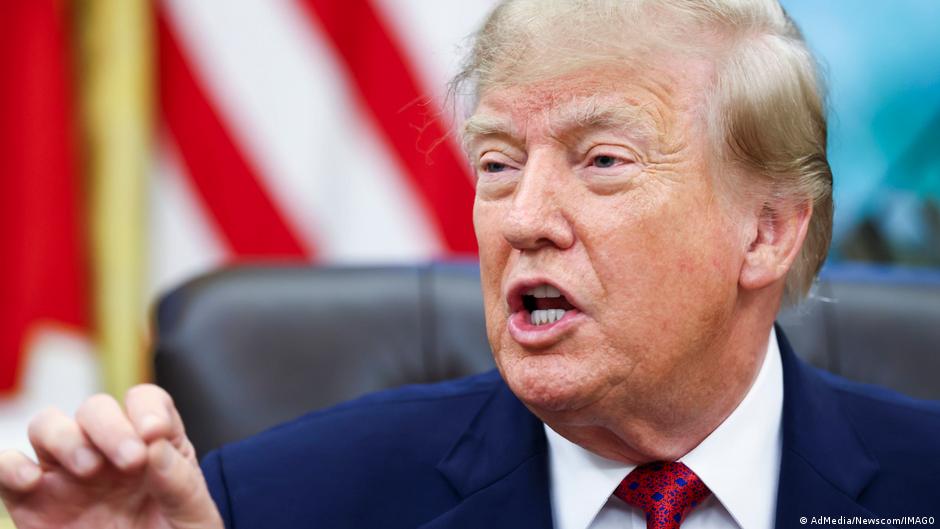
Republican losses in the US midterm elections brought the political cost of the Iran war into the open. On November 4, President Donald Trump acknowledged that the conflict and a temporary rise in gasoline prices had contributed to the defeat, according to VOA Persian. He nevertheless said he would make the same decision again.
Trump also largely accepted Vice President JD Vance's assessment that the war had hurt Republicans, Iran International reported. That acknowledgment did not amount to a promise to end military action against Iran.
How it unfolded
On November 5, Trump said after meeting his national security advisers that he would soon decide whether to resume full-scale war against Iran. Regional mediators were meanwhile pursuing a plan to reduce tensions and restart nuclear negotiations, according to Iran International.
By November 6, Trump was also saying that talks with Iran continued, VOA Persian reported. The diplomatic track remained open even as he publicly considered renewed attacks.
On November 7, reports described divisions within his administration. Vance was pushing for an agreement, while Pete Hegseth supported fresh strikes; Trump had not made a final decision, according to Iran International.
That same day, Trump confirmed that US forces had carried out limited attacks on an Iranian air defense system the previous day, Radio Farda reported. His account described a limited operation, not an announcement of the broader war he had been considering.
On November 8, Trump said another attack was very unlikely if negotiations on Iran's nuclear program and reopening the Strait of Hormuz continued to advance, according to Iran International. But the two sides were still issuing stark warnings: Araghchi said Washington must accept Iran's previously stated demands or choose war, Deutsche Welle reported.
Where it stands
By November 9, the immediate focus had shifted toward a planned Washington meeting between Trump and Qatar's prime minister. They were expected to discuss the Iran war, according to Deutsche Welle. Iran International, citing a report on mediation efforts, said the agenda included a fresh ceasefire and renewed nuclear negotiations.
Trump also indicated he might wait before starting attacks because of the preferences of some of Iran's neighbors, Radio Farda reported. That leaves military action possible, but alongside active mediation rather than a publicly announced decision to resume full-scale war.
What to watch
The next concrete test is whether the Qatar meeting produces a ceasefire arrangement or a path back to nuclear talks. Mediators have proposed a two-day plan that includes lifting the naval blockade, according to Iran International; the supplied reporting does not establish that either side has accepted it.
Trump's stated condition is continued progress in negotiations. Whether talks over the nuclear program and the Strait of Hormuz advance will therefore matter to his next decision on military action, based on his comments reported by Iran International.
More in Politics
All →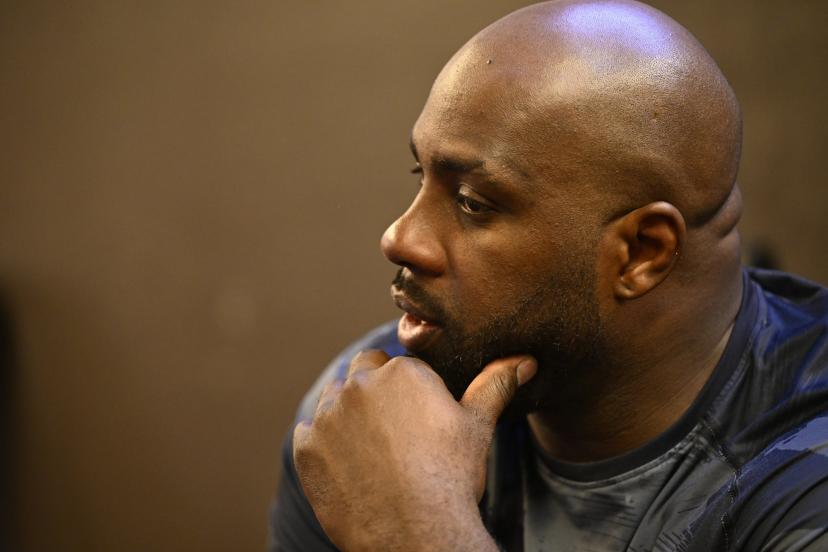
Teddy Riner announces candidacy for France's 2027 presidential election
The Olympic judo champion has entered the presidential race, saying he wants to unite the French while continuing his sporting career, with policy and campaign details still unclear.
20 sources · today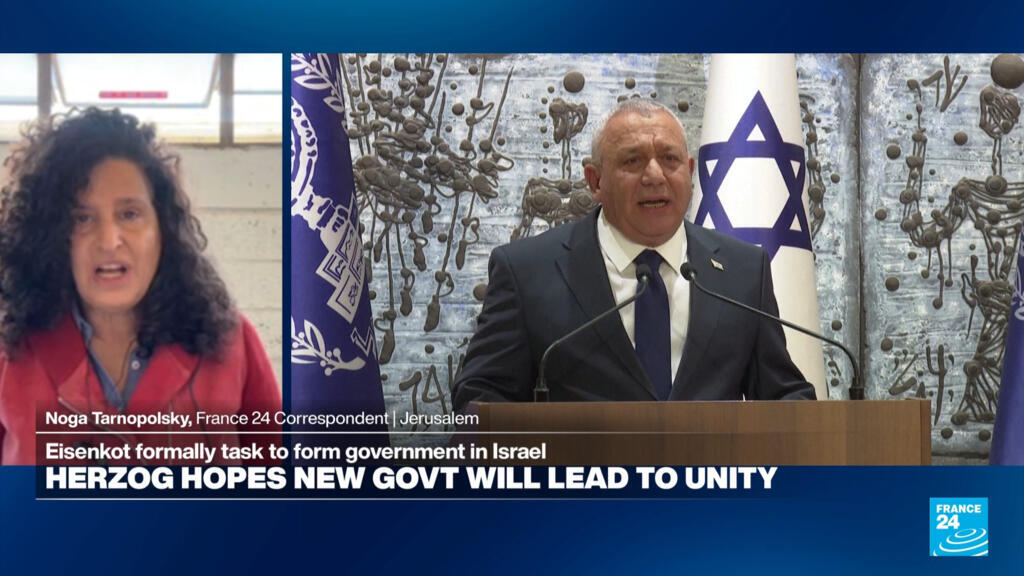
Gadi Eisenkot Gets Six Weeks to Build Israel's Next Government
Gadi Eisenkot has a mandate to form a coalition, but a seat shortfall and disputes over military conscription leave Benjamin Netanyahu with room to influence the outcome.
24 sources · over 2 days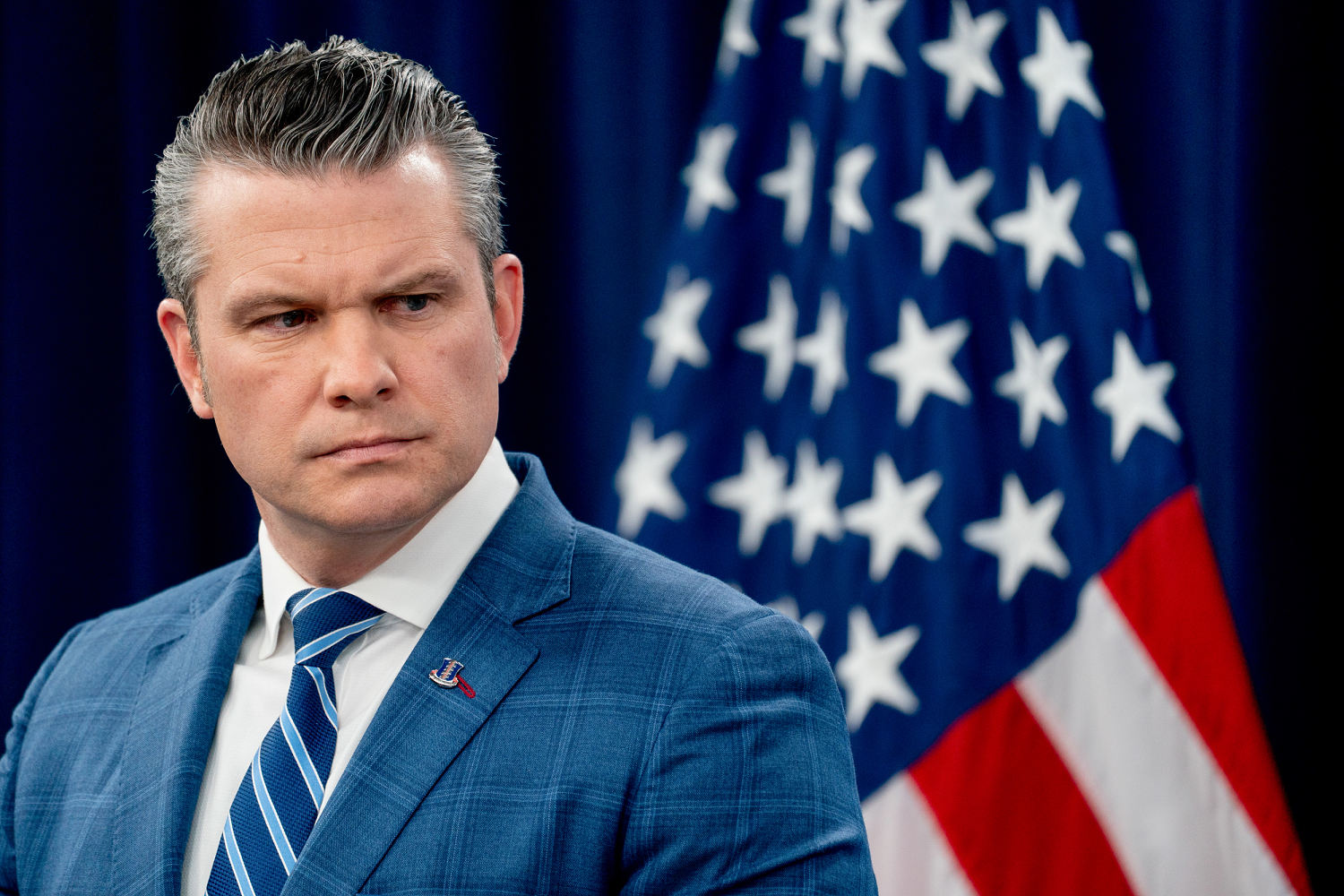
Hegseth Defies Impeachment Threat as Trump Backs Him After Midterm Losses
A Republican lawmaker plans to force an impeachment vote as soon as next week, testing support for Defense Secretary Pete Hegseth after election losses blamed on the Iran war.
77 sources · over 6 days