
Trump Weighs Renewed Iran Fighting After Republicans Lose Control of Congress
Republican election losses have intensified pressure to end the Iran war, but Trump is threatening renewed fighting while Tehran debates negotiations and reports tankers striking mines.
By Hushread Stories, from 95 outlets · First published 6 Nov 2026 · Chapter 6 of 6
Earlier: Trump Defends Iran War After Republicans Lose Control of Congress
In brief
- Democrats won both chambers of Congress in the November 3 elections, dealing President Donald Trump a major setback.
- Vice President JD Vance blamed the Iran war for Republican losses, and Trump acknowledged its electoral impact.
- Trump says he will soon decide whether to restart full scale fighting after meeting his national security team.
- Iranian forces reported five oil tankers and a tugboat caught fire in incidents in the Strait of Hormuz.
- Tehran is debating negotiations versus continued pressure, while a Democratic Congress will take control in roughly two months.
Timeline · 8 moments
Tehran debates deal versus continued pressure after US vote
Iran International (English) ↗Trump threatens further destruction as Iran decision looms
Al Jazeera ↗Trump meets advisers and promises decision on renewed fighting
Times now ↗Oil falls for fourth day on reduced escalation hopes
Arab News ↗Iranian forces report tanker fires in Strait of Hormuz
Al Jazeera ↗Trump agrees war contributed to Republican midterm losses
CBS Top Stories ↗Vance blames Iran war for Republican election losses
Axios ↗Democrats win both chambers in Republican midterm defeat
Radio Zamaneh ↗How it started
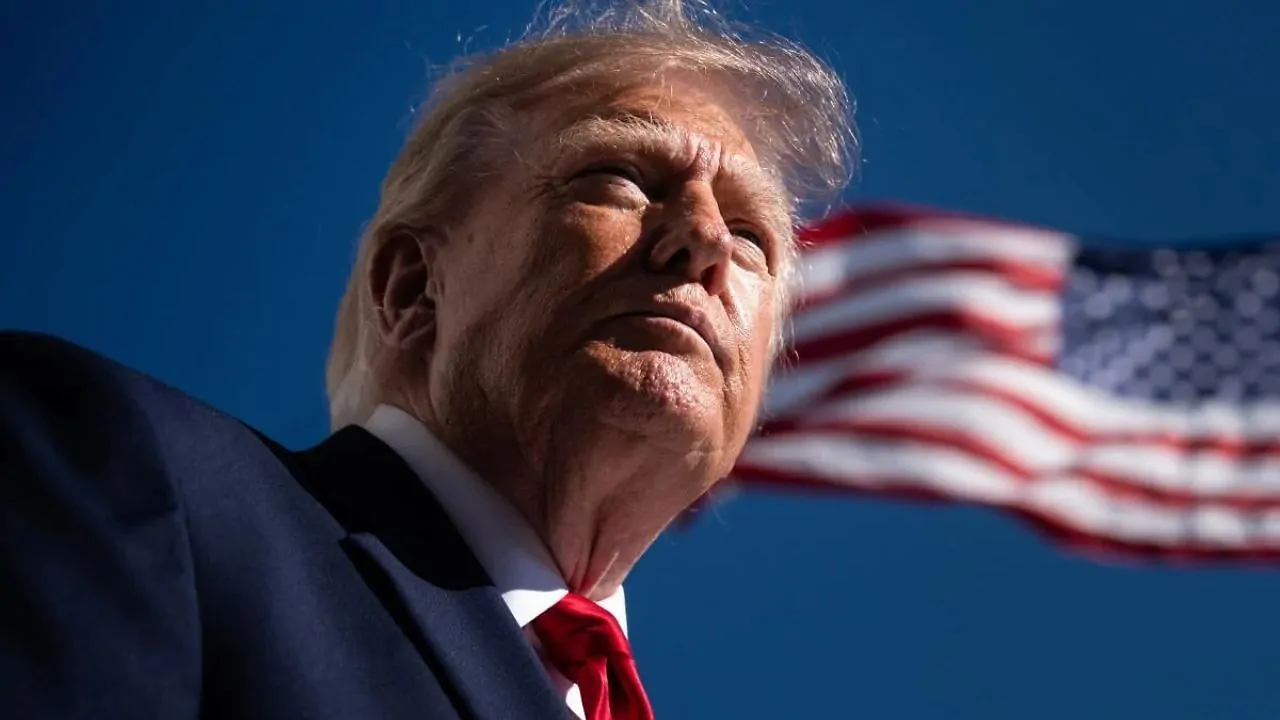
The Iran war has become a central problem for President Donald Trump at home as well as abroad. The New York Times described the midterm results as exposing the deep unpopularity of a war Trump started and is struggling to end.
The November 3 elections gave Democrats control of both the House of Representatives and the Senate, according to Radio Zamaneh. That changes the political pressure on Trump, but it does not itself stop the fighting. RFE/RL reported that he has roughly two months before the Democratic Congress takes control.
How it unfolded
On November 4, Vice President JD Vance directly blamed the war for the Republican defeat. Axios reported that he wrote, "The reason we lost is the war," as he began positioning himself to claim leadership of Trump's political movement.
By November 5, Trump had acknowledged the electoral damage. CBS reported that he agreed Vance's assessment was "largely true." That acknowledgment did not amount to a commitment to end the conflict.
In Tehran, the results prompted celebration but also disagreement about what should follow. Amwaj Media reported on November 5 that Iranian officials and commentators welcomed Democratic gains as a rejection of Trump's war. Iran International reported that hardliners were urging continued pressure rather than compromise.
The same day, reports of tanker fires showed the continuing danger around the Strait of Hormuz. Al Jazeera reported Iranian forces' claims that five oil tankers and a tugboat had caught fire in several incidents. The reported totals differed across the coverage: ARD Tagesschau described two tankers, while IRNA reported two more tankers striking mines east of the strait. These accounts do not establish a single independently verified tally.
Oil markets nevertheless moved on hopes of reduced escalation. Arab News reported on November 5 that prices fell for a fourth day as traders anticipated that Republican losses could restrain Trump.
Coverage published on November 6 brought a renewed threat of fighting. Times now reported that Trump met his national security team on Thursday and said he would soon decide whether to restart full-scale fighting. Al Jazeera reported his warning that the US might have to "destroy" the rest of Iran.
Where it stands
The latest coverage describes a pending US decision, not confirmation that a new round of strikes has begun. Trump's threats sit alongside mounting political pressure to end the war. RFE/RL described his options as negotiation, escalation or maintaining the current position.
There is no settled Iranian response either. Iran International reported on November 6 that Trump's election defeat had sharpened debate in Tehran over pursuing a deal or maintaining pressure through control of the Strait of Hormuz. The election has changed the calculations on both sides without producing an announced agreement.
What to watch
The immediate development is Trump's promised decision on renewed full-scale fighting, reported by Times now. Any announcement of talks, military orders or an agreement would clarify whether his latest threats precede escalation or negotiation.
The next institutional change is Democratic control of Congress in roughly two months. The Conversation argued that the election puts Democrats in a stronger position to challenge the war. What they actually do, and whether Tehran chooses negotiations over continued pressure, remain unresolved.
More in World
All →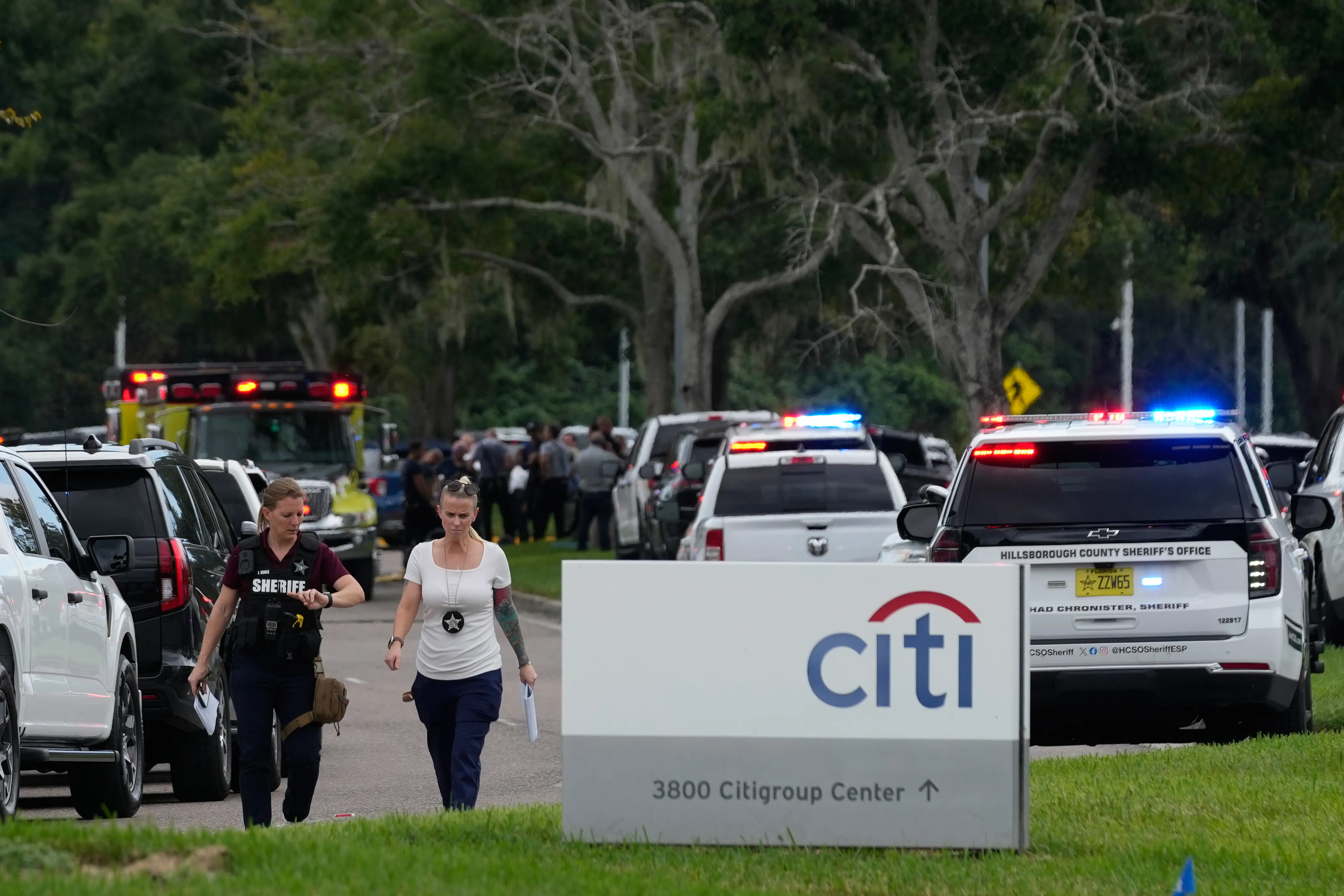
Two dead after shooting at Citibank office complex near Tampa
The suspect is among two people dead after a shooting at a Citibank complex, with the sheriff saying preliminary information suggests the attack was targeted.
9 sources · over 2 days
Indonesia arrests former police chief over alleged wiretapping of President Prabowo
President Prabowo Subianto has sacked his chief of staff after arrests over alleged phone tapping that also targeted journalists, politicians and business people.
14 sources · over 2 days
Joshua Wong Sentenced to 10 More Years in Hong Kong
The Hong Kong activist's foreign collusion sentence adds to his imprisonment, as rights groups accuse authorities of using the national security law to keep him behind bars.
44 sources · today