
Trump Defends Iran War After Republicans Lose Control of Congress
Republican election losses have intensified pressure to end the Iran war, but Trump is defending the campaign as Democrats promise action and markets bet on de-escalation.
By Hushread Stories, from 90 outlets · First published 5 Nov 2026 · Chapter 5 of 5
Earlier: Trump Signals No Immediate Iran Attack as Midterm Defeat Reshapes Debate
In brief
- Democrats won control of both chambers of Congress, and their leaders pledged to push for ending the Iran war.
- Vice President JD Vance blamed the war for Republican losses, citing inflation and concerns about Washington's relationship with Israel.
- Trump agreed the war contributed to defeat but defended the campaign and said he would do it again.
- Crude oil fell below $90 a barrel as traders assessed whether the election would pressure Washington toward an exit.
- Trump has said he has no immediate plans for further strikes, while a deal or renewed escalation remain possibilities.
Timeline · 5 moments
Iranian debate treats election setback as opportunity, not peace
Amwaj Media ↗Crude oil prices fall below $90 a barrel
CNBC ↗Democratic leaders pledge push to end Iran war
Iran International (English) ↗Trump accepts electoral cost but defends war decision
NDTV Top Stories ↗Vance blames Iran war for Republican election losses
Mint ↗How it started
The Iran war became a central issue in the Republican reckoning after the US midterm elections. Democrats won control of both chambers of Congress, and their leaders promised to push for an end to the conflict and address rising living costs, according to Iran International (English).
The political cost was measurable, though the war was not every voter's deciding issue. A voter poll reported by ABC Top Stories found that 34% of voters considered the war "crucial" to their vote.
How it unfolded
On November 4, Vice President JD Vance blamed the Iran war for Republican losses. He cited voter concerns about inflation, the "America First" agenda and Washington's relationship with Israel, Mint reported.
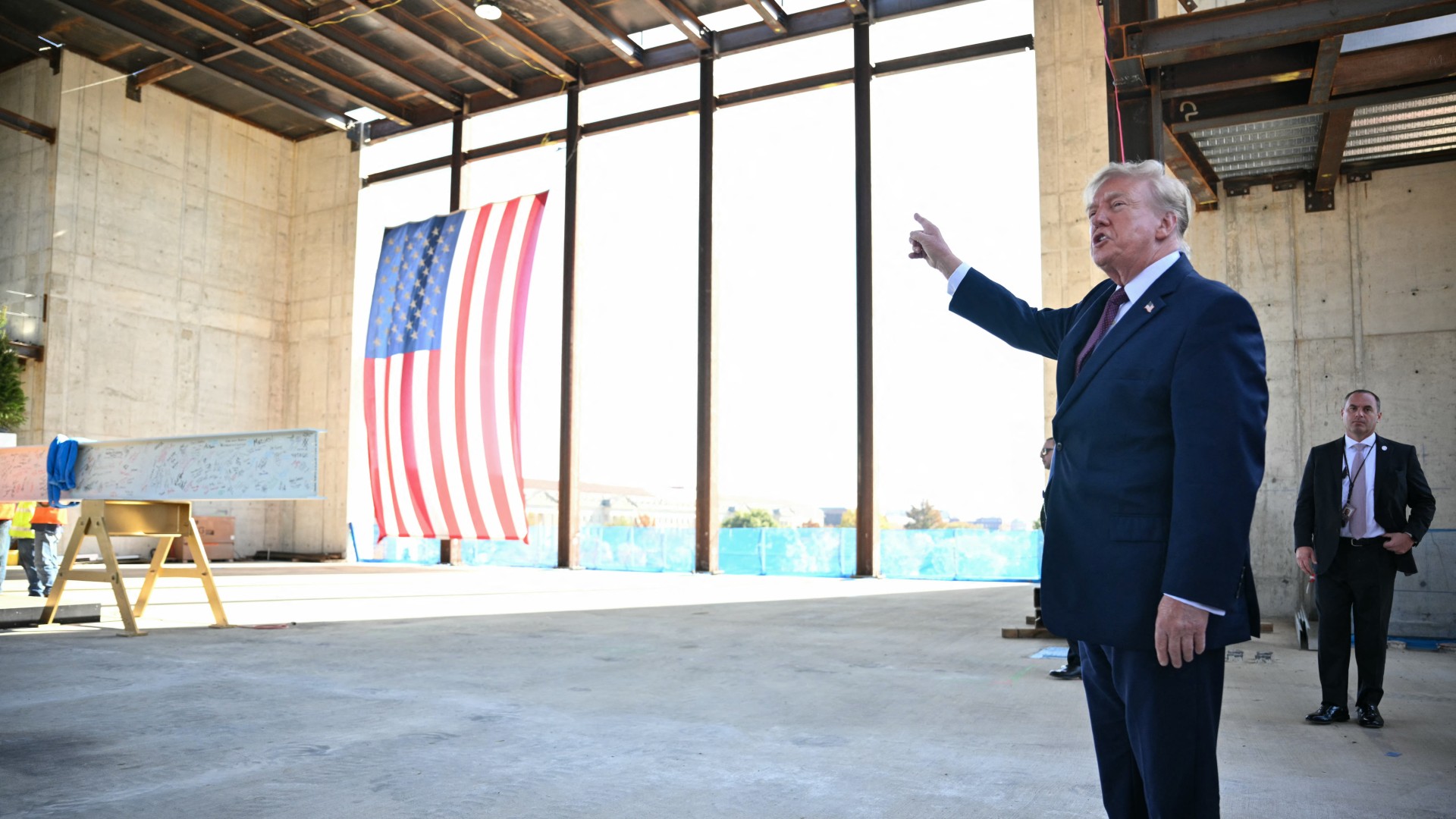
Trump accepted much of that assessment without accepting that the war had been a mistake. Asked about its electoral impact on November 4, he said it was "largely true" because it had pushed gasoline prices higher in the short term, according to NDTV Top Stories. He also said he would do it again.
The disagreement extended beyond Vance. Donald Trump Jr. joined him in criticising the war after the election defeat, Daily Mail reported. Foreign Policy described Vance's statement as a sharp departure from Trump's defence of the campaign.
Markets moved as investors assessed the implications. Crude oil fell below $90 a barrel on November 4, according to CNBC. Bloomberg also reported that Trump's statement that he had no immediate plans for further strikes eased fears, driving crude lower and Asian equities higher.
By November 5, the focus had shifted to Trump's next decision. Arab News described three broad choices: escalate the conflict, maintain the status quo or seek an exit. Iranian officials and commentators welcomed the Democratic gains as a rejection of the war, but did not treat them as its end, according to Amwaj Media.
Where it stands
Trump's stated pause on further strikes is not an announced settlement. He continues to defend the campaign, arguing that preventing Iran from acquiring nuclear weapons justified its costs, Business Line - Home reported on November 5.
Democratic control of Congress adds pressure for a change of course. Japan Times reported that a Congress able to constrain Trump's military options gives him greater incentive to seek a deal. That is an assessment of the pressure he faces, not confirmation that an agreement is close.
The risk of renewed fighting remains. The National reported on November 4 that an Iranian general warned of attacks in the Red Sea if fighting resumes.
What to watch
The next concrete test is whether Democratic leaders turn their promise to end the war into congressional action. The coverage reports their pledge, but does not identify a specific measure or timetable, according to Iran International (English).
Trump's next military or diplomatic decision will matter more than the market reaction. Axios framed his choice as reaching a deal or returning to bombing, while Arab News also identified maintaining the status quo as an option. The supplied reports do not establish a date for talks or a new strike decision.
More in World
All →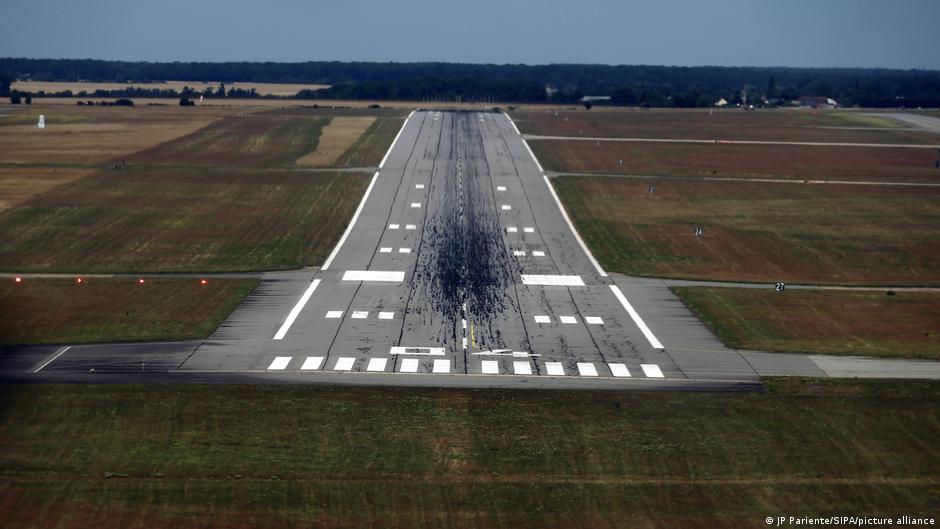
Dublin to Rome Flight Diverted as European Bomb Alerts Continue
A fresh diversion to a French airbase on November 5 follows bomb threats across European flights, with earlier searches finding no explosives and links between incidents still unclear.
47 sources · over 3 days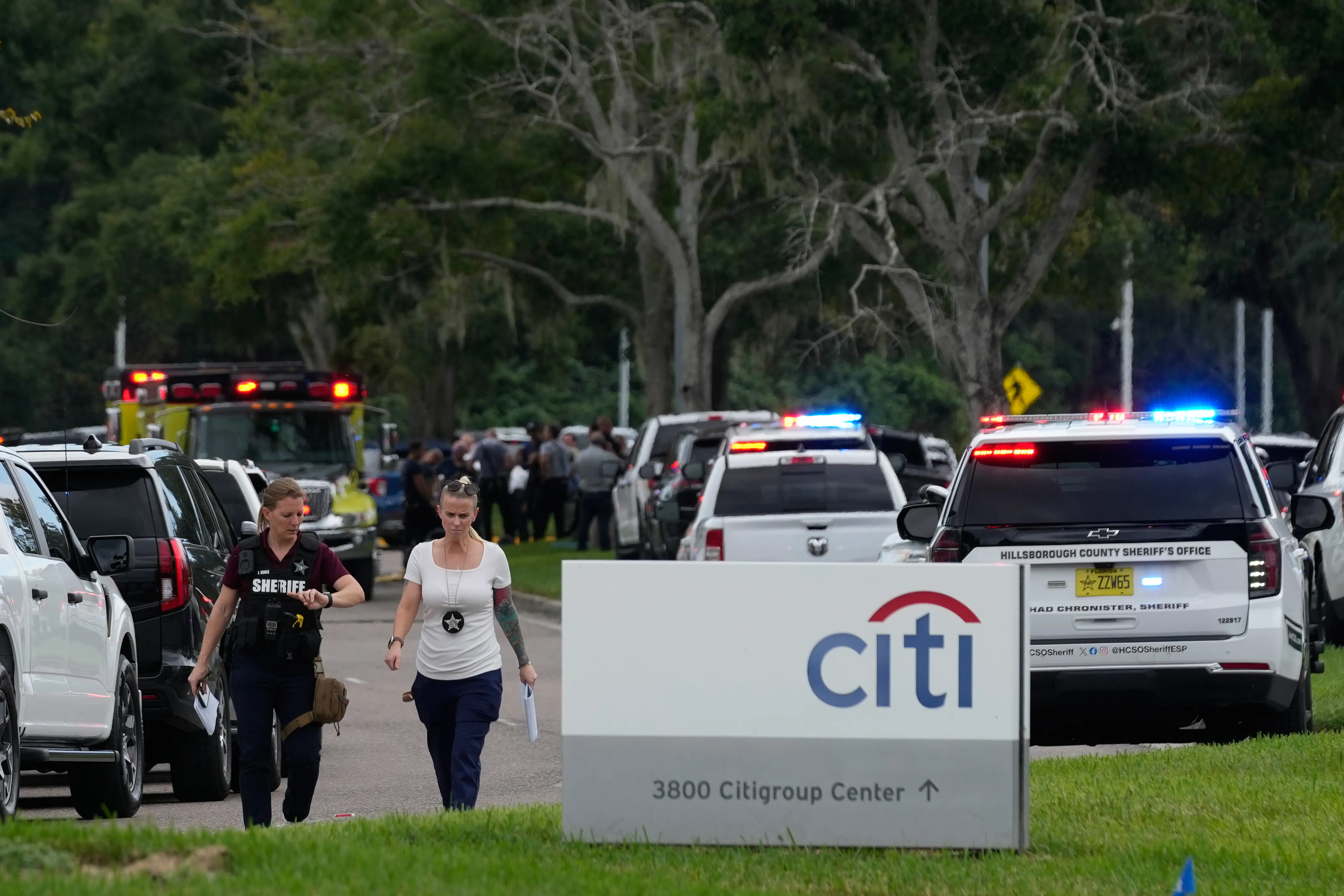
Two dead after shooting at Citibank office complex near Tampa
The suspect is among two people dead after a shooting at a Citibank complex, with the sheriff saying preliminary information suggests the attack was targeted.
9 sources · today
Escaped Tennessee murderer Jacob Allen Morley captured near Kansas City
Authorities confirmed Tuesday that Jacob Allen Morley was back in custody in Missouri, ending more than a week on the run after his escape from a Tennessee prison.
11 sources · over 2 days