
Trump's Russian Diesel Deal Faces Backlash as Ukraine Energy Strikes Continue
Renewed Russian attacks on Ukrainian energy sites are testing Trump's announced ceasefire, while senators challenge sanctions relief and rising diesel futures cast doubt on promised price benefits.
By Hushread Stories, written with AI from 67 outlets · First published 14 Oct 2026 · Chapter 2 of 2
Earlier: Trump's Ukraine energy ceasefire faces uncertainty as Russian diesel deal draws backlash
In brief
- Trump agreed to allow Russian diesel onto global markets, drawing criticism over sanctions relief during the Ukraine war.
- Twelve US senators, including six Republicans, urged Trump to reverse the deal, saying it would help finance Russia.
- Zelenskyy says Russian missiles hit Ukrainian energy infrastructure despite the energy ceasefire Trump announced on Sunday.
- Trump says intelligence sharing continues, after Zelenskyy reported receiving no advance warning from partners before strikes on Kyiv.
- Russian diesel export loadings have resumed, but higher diesel futures suggest doubts about the deal's impact on prices.
Timeline · 7 moments
Russia alleges Ukraine attacked two refineries despite truce
RT en Español - Noticias ↗Russian diesel export loadings resume at Primorsk
CNN Brasil ↗Russian energy strikes leave 600,000 without power
CNBC ↗Diesel futures rise despite Trump's Russian fuel deal
NBC News ↗Twelve senators urge Trump to drop diesel agreement
CBC Top Stories ↗Trump says intelligence sharing with Ukraine continues
Infobae ↗Zelenskyy says Ukraine halted attacks on Russian refineries
Latest news, sport and opinion from the Guardian ↗How it started
US President Donald Trump's agreement with Russian President Vladimir Putin would allow Russian diesel onto global markets through sanctions relief. The deal has brought fuel prices and the war in Ukraine into the same dispute: whether easing pressure on Moscow can deliver cheaper diesel without weakening Ukraine.
The price pressure is real. NPR reported that US diesel prices reached an all-time high in September. Trump has defended the agreement as benefiting the world, not just the United States, according to ISNA.
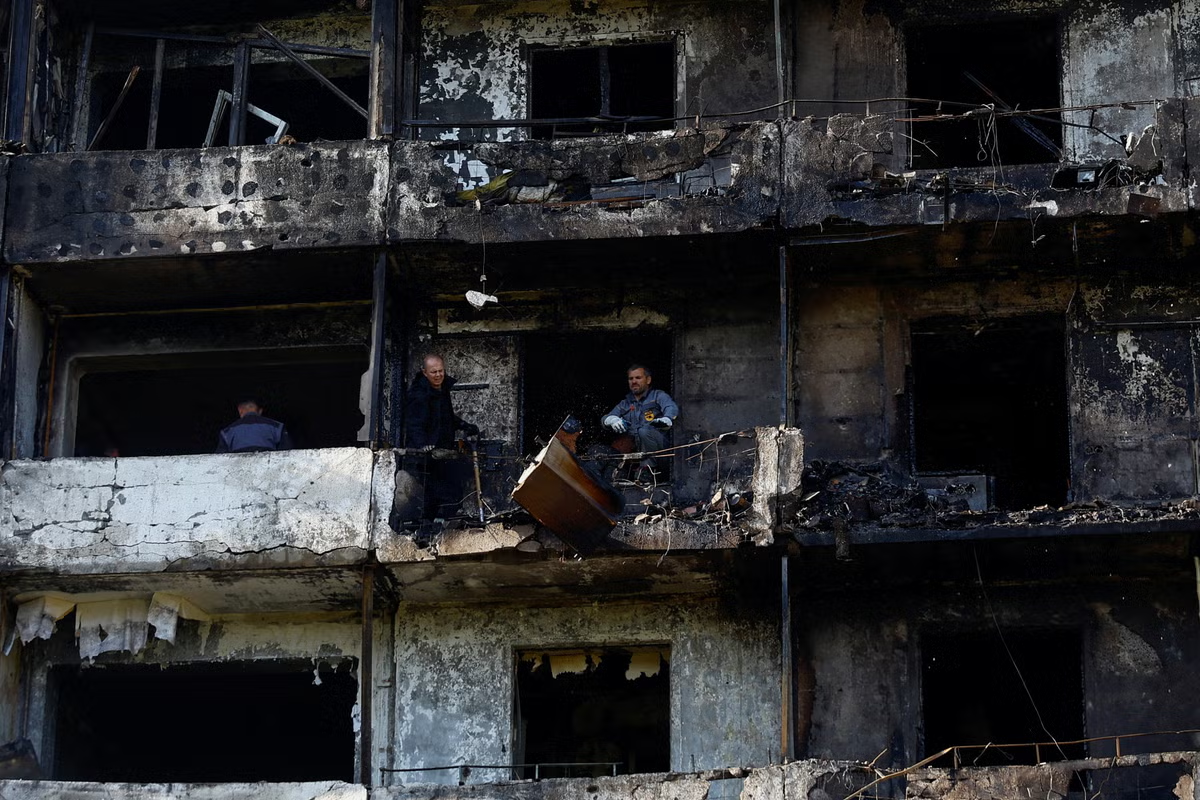
Alongside the diesel deal, Trump announced an energy ceasefire on Sunday. But Ukrainian President Volodymyr Zelenskyy says Russian ballistic missiles have struck infrastructure supposedly covered by that arrangement, CNBC reported.
How it unfolded
On October 13, Zelenskyy said Ukraine had halted attacks on Russian oil refineries but Russia had not heeded Trump's ceasefire call, according to the Guardian. Trump appeared to defend Russia's continuing attacks on Ukrainian energy infrastructure, The Hill reported.
Reporting that day gave conflicting accounts of whether energy sites had been spared. Reuters reported that overnight attacks appeared to avoid energy facilities for the first time since Trump's announcement, while killing at least four people in Kharkiv. But the BBC reported Zelenskyy's account that Russian strikes had hit a key Kyiv power plant. The supplied reports do not resolve that discrepancy.
Zelenskyy also said Kyiv's partners had provided no advance warning of a ballistic missile attack. He stopped short of linking that gap to Trump administration threats to withdraw US support, according to the Financial Times. Trump said US agencies were still sharing intelligence with Ukraine, Infobae reported on October 13.
In Washington, 12 senators, including six Republicans, called on Trump to rescind the diesel deal on October 13. They argued that it would give Moscow more resources to finance the war, according to CBC. Diesel futures also rose sharply that Tuesday, as doubts grew about the administration's ability to lower prices, NBC News reported.
By October 14, further reporting described renewed attacks on Ukrainian energy infrastructure. CNBC reported that Russian strikes left 600,000 people without power. Zelenskyy accused Russia of continuing the bombardment in defiance of the ceasefire, according to Global News.
Meanwhile, Russian diesel export loadings had resumed at the Baltic port of Primorsk following the agreement, CNN Brasil reported on October 14, citing LSEG data.
Where it stands
Diesel shipments are moving, but the announced restraint on energy attacks remains disputed. Ukraine says Russia continues to hit protected infrastructure. Russia, in turn, alleges that Ukraine attacked two refineries despite Trump's announcement, according to RT en Español. That allegation conflicts with Zelenskyy's earlier statement that Ukraine had halted refinery attacks.
The intelligence dispute is narrower than a confirmed end to US assistance. Zelenskyy reported missing warnings before particular attacks; Trump says intelligence sharing continues. DIE ZEIT reported that both Ukraine and the United States said intelligence information was still being exchanged.
The deal's economic benefit is also unproven. Resumed exports show Russian fuel returning to the market, but the rise in diesel futures does not support an immediate expectation of lower prices.
What to watch
The immediate tests are whether attacks on energy facilities stop and whether Trump responds to the senators' demand to withdraw sanctions relief. The bipartisan opposition makes the agreement a domestic political dispute as well as a foreign policy decision.
For fuel buyers, the unresolved question is whether resumed Russian exports translate into lower prices. For Ukraine, it is whether continued intelligence sharing delivers timely warnings before the next missile attack.
More in World
All →
India Approves 78-Day Productivity Bonus for 11.4 Lakh Railway Employees
The Cabinet has cleared a Rs 2,009.61 crore festive payout for eligible railway staff, with individual bonuses capped at Rs 17,951, according to the coverage.
10 sources · today
Japan Summons Russian Ambassador After Journalist Detained on Espionage Allegations
Japan is seeking information and access to a detained Hokkaido Shimbun reporter, while Russian authorities say a court has ordered him held for two months.
18 sources · over 2 days
Dipke Calls Delhi Gathering After Grandmother's Death and Disputed Police Detention
A dispute over Abhijeet Dipke's treatment after his grandmother died in custody has widened into fresh confrontation over detained colleagues and a planned October 16 gathering.
9 sources · over 5 days