
Trump's Ukraine energy ceasefire faces uncertainty as Russian diesel deal draws backlash
Continued Russian strikes and unclear ceasefire terms have complicated Trump's announcement, while his accompanying diesel deal faces bipartisan demands for reversal in Washington.
By Hushread Stories, written with AI from 52 outlets · First published 13 Oct 2026
In brief
- President Donald Trump announced an energy ceasefire, but Russia has not publicly confirmed the agreement described by Washington.
- Ukrainian President Volodymyr Zelenskyy said Russian attacks continued against energy infrastructure and warned Ukraine would respond to violations.
- The proposed halt remains unclear, with one report suggesting it covers oil refineries rather than all energy infrastructure.
- Twelve American senators, including six Republicans, urged Trump to reverse his Russian diesel deal and associated sanctions relief.
- Ukraine and the United States say intelligence sharing continues, despite Zelenskyy reporting missing warnings before attacks on Kyiv.
Timeline · 7 moments
Trump says Russian diesel agreement benefits the world
ISNA (English) ↗Twelve senators demand reversal of Russian diesel deal
CBC Top Stories ↗Russian overnight strike summary omits Ukrainian energy facilities
The Hindu ↗Ukraine reports missing warnings but intelligence exchanges continue
DIE ZEIT | Nachrichten, News, Hintergründe und Debatten ↗Kremlin offers conditional halt on Ukraine's voting day
Mehr News (English) ↗Zelenskyy reports continued strikes and warns of retaliation
Bloomberg ↗Russia leaves Trump's announced energy ceasefire publicly unconfirmed
Deutschlandfunk - Fortlaufende Nachrichten vom 24. August 2026 ↗How it started
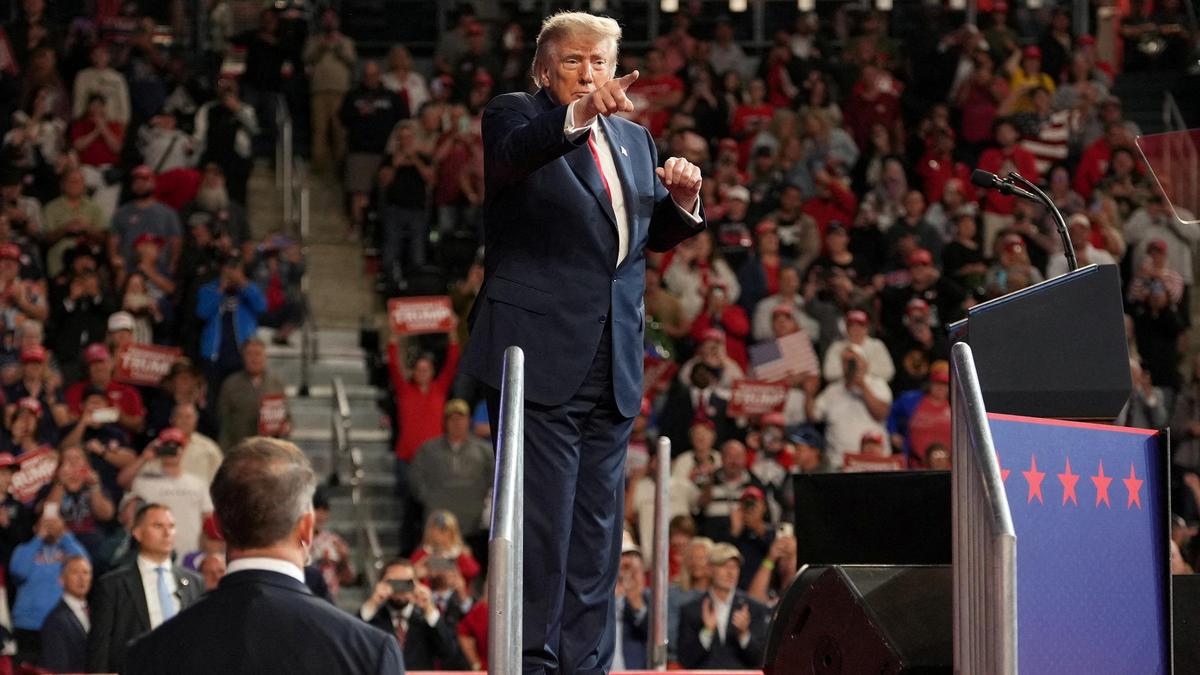
US President Donald Trump announced what he called an energy ceasefire between Russia and Ukraine. But the announcement did not establish a publicly confirmed agreement: Deutschlandfunk reported on October 12 that Russia had not confirmed the proposed halt to attacks on energy facilities.
The scope was uncertain, too. France24 reported that Ukrainian President Volodymyr Zelenskyy learned of the announcement through the media. Its coverage also cited an unnamed US source saying the arrangement concerned only oil refineries, a narrower commitment than stopping attacks on all energy infrastructure.
Alongside the ceasefire announcement, Trump moved to buy Russian diesel while pressing Ukraine to stop attacking refineries, according to The New York Times. That linked the dispute over attacks to Washington's effort to increase fuel supplies.
How it unfolded
On October 12, Zelenskyy said Moscow's air strikes were continuing to hit energy infrastructure, violating the ceasefire Trump had announced. He warned Ukraine would strike if Russia violated the energy truce, Bloomberg reported.
Russia's public position did not resolve that dispute. Kremlin spokesperson Dmitry Peskov said Russian President Vladimir Putin was ready to halt strikes on Ukraine on voting day if Kyiv genuinely wanted to hold an election, according to Mehr News. That was a separate, conditional offer, not confirmation of the energy ceasefire.
By October 13, questions also surrounded warnings about incoming attacks. DER SPIEGEL reported that Zelenskyy suggested allies were no longer providing advance warnings. However, DIE ZEIT reported that Ukraine and the United States both said intelligence information was still being exchanged.
The same day, The Hindu reported that Russia's Defence Ministry made no mention of Ukrainian energy facilities in its daily summary of overnight strikes. That omission differed from the previous reports of continued attacks, but did not itself confirm an agreed ceasefire.
In Washington, opposition to the diesel arrangement hardened. Twelve senators, including six Republicans, called on Trump to rescind the deal on October 13, according to CBC. Axios reported that their letter described sanctions relief for increased Russian diesel supplies as a betrayal of Ukraine and a gift to an adversary.
Trump defended the arrangement as benefiting the world, according to ISNA. Meanwhile, diesel futures rose sharply on October 13 as doubts grew about whether his measures would meaningfully lower prices, NBC News reported.
Where it stands
The central uncertainty is whether Russia and Ukraine have accepted the same limits on attacks. The available coverage contains Trump's ceasefire claim, Ukraine's allegations of violations and Russia's lack of public confirmation. It does not establish a mutually confirmed scope or show that attacks on energy infrastructure have stopped.
The intelligence dispute is narrower than a confirmed cutoff in US support. Zelenskyy reported missing warnings before attacks on Kyiv, while both countries maintained that intelligence exchanges continued, according to DIE ZEIT. Bloomberg also reported Trump saying the United States was still sharing intelligence with Ukraine.
The diesel deal remains under political pressure. Senators are demanding its reversal, while the rise in futures prices reported by NBC News offers no immediate support for the promised price relief.
What to watch
The next substantive test is whether Moscow publicly confirms an agreement and whether its terms cover refineries alone or other energy facilities. Further reports of strikes will help establish whether any halt is taking effect, rather than merely appearing in an announcement.
In Washington, the pending question is whether Trump changes the diesel arrangement or its sanctions relief following the senators' demand. Their call for reversal, reported by CBC, has not been described in the supplied coverage as producing a withdrawal.
More in World
All →
India Rejects UN Concerns Over Mass Detentions at Delhi Protests
The UN rights office has called for the release of arbitrarily detained protesters in Delhi, while India has rejected its intervention as misplaced and unwarranted.
11 sources · over 2 days
Tankers Burn in Strait of Hormuz as Iran Threatens US Warships
Reports of burning tankers and fresh projectile strikes have widened the danger to shipping in the Strait of Hormuz, while Iran threatens US warships approaching the waterway.
15 sources · over 5 days
Flydubai Airport Attack Investigation Expands With Detention of Two More Pilots
Reports of two further detentions widen the UAE investigation into an alleged airport suicide plot, while a Melbourne imam disputes accusations linking his community centre to the suspect.
47 sources · over 5 days