
UK agrees to slavery apology talks but rules out reparations
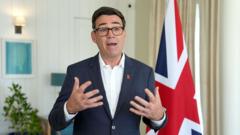
Andy Burnham has committed Britain to talks on the slave trade's historical harms, opening a path towards a formal apology while maintaining his refusal to pay reparations.
By Hushread Stories, from 29 outlets · First published 5 Nov 2026 · Chapter 3 of 3
Earlier: Burnham Opens Slavery Apology Talks as Commonwealth Leaders Press for Reparations
In brief
- Prime Minister Andy Burnham has opened the door to a formal apology for Britain's role in slavery.
- The UK has agreed to structured talks addressing historical harms following the Commonwealth summit in Antigua and Barbuda.
- Burnham has ruled out financial reparations despite demands from Caribbean nations for compensation over slavery.
- King Charles expressed sorrow over the slave trade at the summit but did not issue a formal apology.
- The talks leave the wording and timing of any British apology unresolved, with affected countries expected to help.
Timeline · 6 moments
UK commitment to time-bound slavery talks confirmed
BBC News ↗Miliband says slavery reparations are not feasible
South China Morning Post ↗King expresses sorrow but stops short of apology
Sydney Morning Herald ↗Affected countries to help shape proposed British apology
The Guardian ↗Antigua and Barbuda prime minister calls for reparations
The Independent ↗Burnham opens door to apology but rejects reparations
Al Jazeera ↗How it started
Andy Burnham's opening position drew a clear distinction between an apology and financial compensation. On October 31, the UK Prime Minister said he was open to formally apologising for Britain's role in the slave trade, while ruling out reparations, according to Al Jazeera.
Burnham wanted to express sorrow and regret for the suffering of millions and recognise its continuing effects, NDTV News reported. But he said reparations were not "the right answer".
That distinction did not satisfy demands for compensation. Al Jazeera described longstanding Caribbean calls for reparations, which became a central point of contention as Commonwealth nations gathered in Antigua and Barbuda.
How it unfolded
On November 1, The Guardian reported that British officials had initially insisted reparations should not be discussed at the Commonwealth summit. Burnham had since agreed to structured dialogue on reparatory justice, although the issue remained off the formal agenda.
Pressure also came from the host country. Antigua and Barbuda Prime Minister Gaston Browne said Burnham should offer reparations, The Independent reported on November 1.
By November 2, the proposed apology was moving beyond a statement of openness. The Guardian reported that Burnham would ask countries affected by Britain's role in slavery to help shape a formal apology.
On November 3, King Charles addressed the summit, describing the slave trade as a "monstrous injustice" and expressing personal sorrow. He stopped short of an apology, according to the Sydney Morning Herald. Deutsche Welle reported that he did not address calls for apologies and reparations.
On November 4, Foreign Secretary Ed Miliband reinforced the government's refusal to pay compensation, saying reparations were "not feasible", according to the South China Morning Post. The BBC also reported his assurance that a slavery apology would not bring a cost for UK taxpayers.
The summit produced a commitment to further discussion. On November 4, The Independent reported that the UK had agreed to talks with Commonwealth leaders to address the slave trade's historical harms.
Where it stands
The latest development is an agreement to a process, not a completed apology. On November 5, BBC News reported that Burnham had committed to time-bound talks on an apology as part of a broader effort to address historical harms.
Commonwealth leaders described the agreed discussions as "structured, time-bound, inclusive and good-faith", according to Sky News. But Burnham continues to rule out reparations, Sky News reported. Britain's willingness to discuss an apology has therefore not resolved the dispute over compensation.
What to watch
The next step is turning that commitment into talks with affected countries. The proposed involvement of those countries in shaping an apology, reported by The Guardian, makes the wording and scope of any statement important unfinished business.
The coverage does not establish a date for an apology or a detailed timetable for the talks. A central test will be whether the process can address Caribbean demands while the UK maintains its refusal to pay reparations.
More in Politics
All →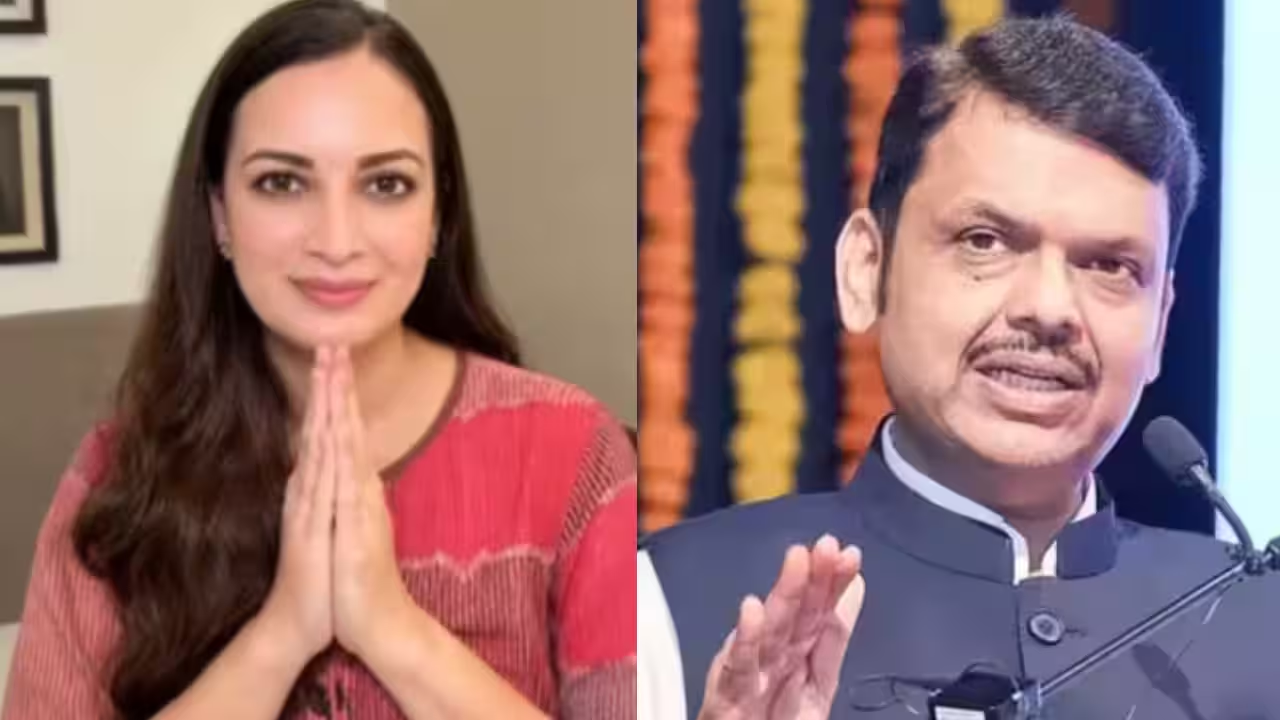
Bombay High Court Orders BMC to Restore Dia Mirza's Diwali Video
The court has intervened after Mumbai's civic body removed Dia Mirza's pollution appeal following BJP objections, turning a Diwali awareness campaign into a dispute over political pressure.
11 sources · over 3 days
Amy Acton elected Ohio's first woman governor, defeating Vivek Ramaswamy
Democrat Amy Acton's victory makes her Ohio's first woman governor and ends 16 years of Republican control, after a campaign marked by controversy over her opponent's advertising.
21 sources · over 2 days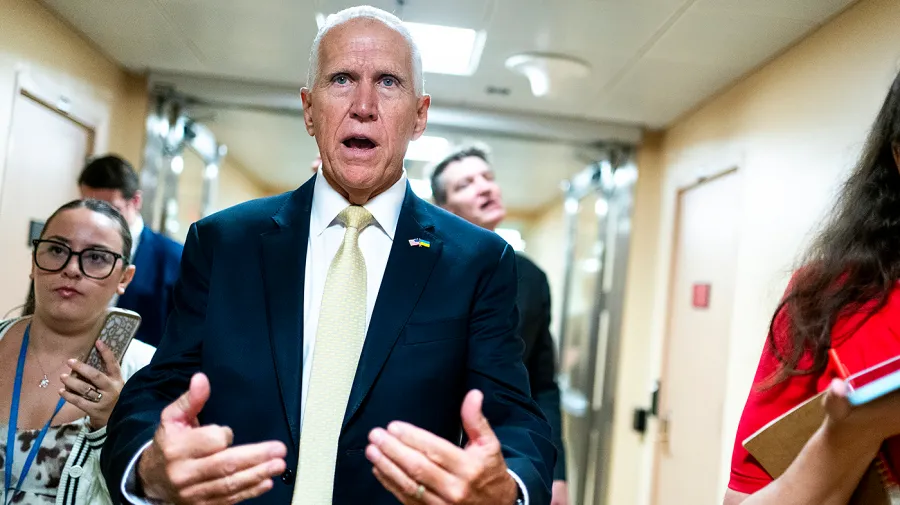
Hegseth faces impeachment push after Republican midterm losses as Trump backs him
A Republican plans to force an impeachment vote against Defense Secretary Pete Hegseth, while President Donald Trump publicly supports him amid questions about his future.
18 sources · today