
UK and EU seal food, youth and emissions deals at Brussels reset summit
Andy Burnham's first EU summit as prime minister produced the biggest step towards Brussels since Brexit, but tuition fees remain unresolved and the debate over rejoining has reopened.
By Hushread Stories, from 51 outlets · First published 22 Nov 2026 · Chapter 6 of 7
Earlier: UK and EU Sign Brexit Reset Deals on Food, Youth Mobility and Carbon
In brief
- The UK and EU signed three agreements in Brussels on 20 November covering food trade, emissions trading links and youth mobility.
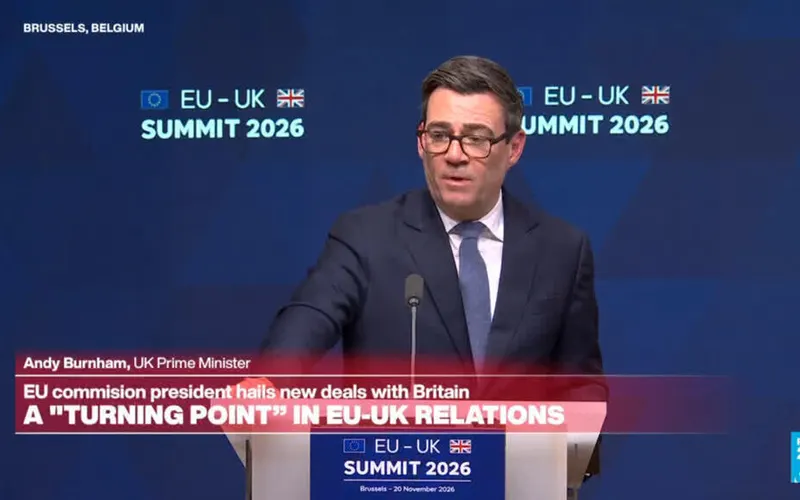
- Prime Minister Andy Burnham and Ursula von der Leyen both called the Brussels summit a turning point in post-Brexit relations.
- An agreement on university tuition fees was pushed back, and talks on the issue are continuing after the summit.
- Foreign Secretary Ed Miliband said the reset deal will take effect whether or not the tuition fees dispute is resolved.
- Burnham has launched informal talks on long-term ties, and Conservative and Reform critics have attacked the plan.
Timeline · 9 moments
Conservatives vow to scrap Burnham's EU deal
BBC Politics ↗Theresa May tells Burnham to accept Brexit
The Independent ↗Michael Gove condemns the deal as historic error
Daily Mail ↗Miliband says reset will proceed despite fees row
Yahoo! UK News ↗Miliband says rejoining is on the table
Guardian Politics ↗Burnham announces brainstorming on long-term EU ties
The Times ↗Tuition fees agreement pushed back, talks continue
South China Morning Post ↗Food, emissions and youth mobility deals sealed
France24 ↗UK and EU hold reset summit in Brussels
The New York Times ↗Update 22 Nov 2026, 7:07 pm UTC
Coverage since the summit is now dominated by political reaction rather than the deals themselves. Theresa May urged Prime Minister Andy Burnham to "move on" from Brexit after he floated closer EU ties, and the Guardian reported that Conservative deputy leader Alex Burghart told the BBC the deal would be scrapped under a Tory government. The three agreements signed on 20 November stand, and the tuition fees question remains open, but the story is now as much about the Brexit debate as the summit outcome.
How it started
Ten years after the 2016 referendum, the UK and the European Union met in Brussels for a summit meant to repair relations that had been strained since Brexit. Andy Burnham, the British prime minister, led the UK side, and The Conversation noted it was his first EU-UK summit.
The run-up was not smooth. Before the meeting, the two sides were reported to be split over the timeline of the deal, and university tuition fees emerged as a sticking point.
Burnham was received in Brussels by European Council president António Costa and Commission president Ursula von der Leyen, according to ABC.
How it unfolded
On Friday 20 November the two sides sealed their deals. France24 reported that Burnham hailed a "landmark" agreement on food exports, emissions-trading schemes and youth mobility, and that he and von der Leyen described a "turning point" in EU-UK relations. RTBF quoted Burnham as saying it was "a good day for Britain" and "for Europe".
The deals are aimed at reducing red tape for food exports, linking emissions trading schemes and opening opportunities for young people, according to Bloomberg. The Financial Times said the agreement was overshadowed by the dispute over university fees and questions about where the relationship goes next.
The fees issue was where the summit stalled. The South China Morning Post reported that the sides pushed back an agreement on tuition fees and left broader discussions open.
Burnham also went beyond the deals themselves. The Times reported that he said he would hold a "brainstorming process" with the bloc about options for long-term relations. The Hereford Times reported the EU and UK would spend a year on that process.
On Saturday, The Guardian reported that Ed Miliband said rejoining the EU could be on the table in informal discussions between Burnham and European leaders, with all options open. Yahoo UK News reported Miliband saying the reset deal would take effect regardless of the tuition fees outcome. Expressen cited a senior ally of Burnham as saying he plans to take Britain back into the EU, a claim that went further than the government's own wording.
Where it stands
The reaction has split along familiar lines. Times Now reported that Reform's Nigel Farage called Burnham "a total fraud", and the Daily Mail carried a column by Michael Gove calling the deal "an error of historic dimensions". GB News reported a warning that a carbon tax deal could add costs for manufacturers.
On Sunday, The Independent reported that former prime minister Theresa May urged Burnham to "accept Brexit and move on", saying she was "aghast" at the idea of reopening the debate. The same report said Sir Tony Blair warned the EU needs to reform before the UK could rejoin.
The Times observed that Burnham has returned with a deal of sorts but is not going all in for Rejoin. Euronews said the summit also exposed the limits of negotiating one deal at a time.
What to watch
The tuition fees talks are the clearest open item, since the agreement was deferred rather than dropped. Miliband's position is that the wider deal proceeds either way.
The larger question is what comes out of the informal talks on long-term ties, and whether Burnham commits to a clearer direction. Brussels has signalled it is willing to explore closer links, according to Euronews, while domestic opposition is already hardening.
More in Politics
All →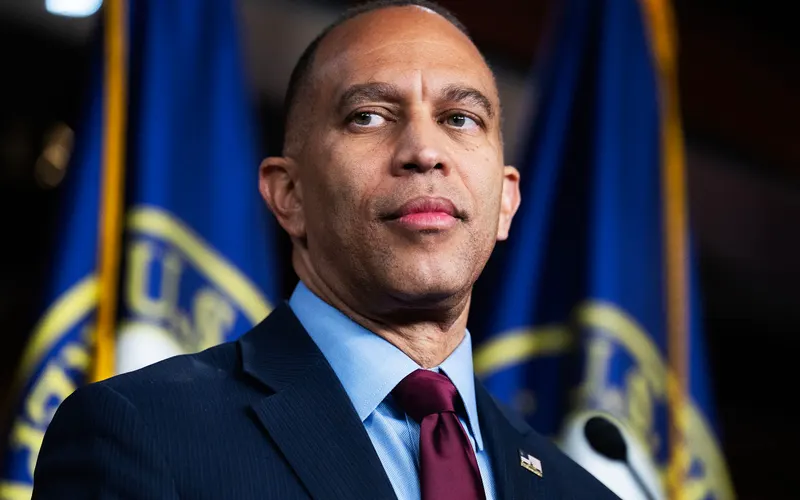
House Democrats Nominate Hakeem Jeffries for Speaker, 251 Votes to 11
Jeffries is set to become the first Black Speaker in U.S. history when the new Congress convenes in January.
44 sources · over 7 days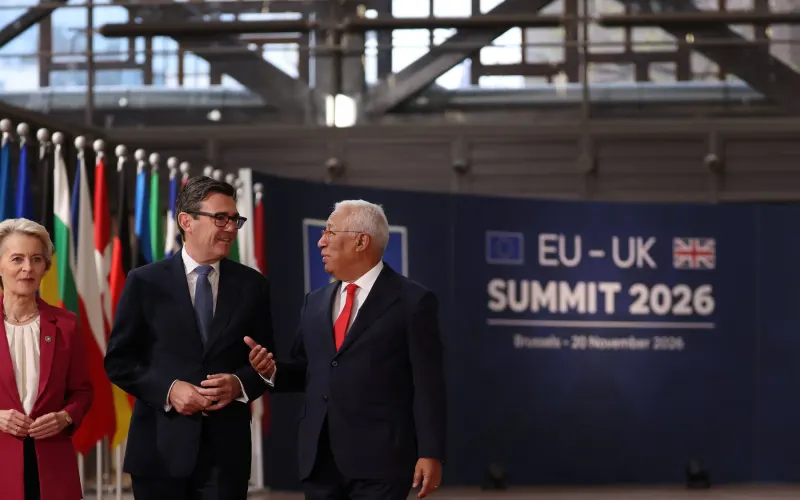
UK and EU sign Brussels reset deals on food, youth mobility and carbon trading
Andy Burnham's summit deals are the biggest step toward the EU since Brexit, but tuition fees remain unresolved and talk of rejoining has already split British politics.
51 sources · over 5 days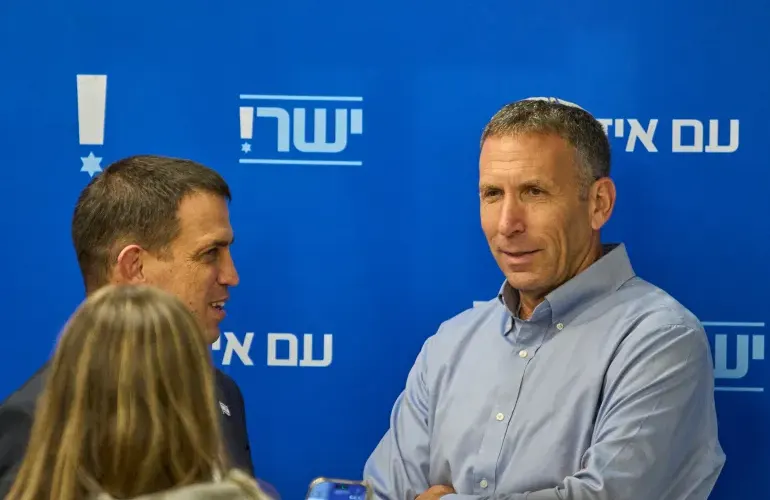
Knesset Elects Eisenkot Ally Kahana Speaker, Weakening Netanyahu as Coalition Talks Begin
A 66-52 speaker vote has shifted control of Israel's parliament away from Netanyahu, while Eisenkot weighs a minority government, talks with Likud and a December deadline.
45 sources · over 8 days