
Ukraine air raid app sends false nuclear alerts after suspected hack
False radiation and chemical warnings appeared on Ukraine's public air raid alert app, prompting authorities to deny any threat and direct residents to official information channels.
By Hushread Stories, from 8 outlets · First published 2 Nov 2026 · Chapter 1 of 2
In brief
- Ukraine's public air raid alert app displayed false nuclear and chemical warnings affecting Kyiv and other areas.
- The Air Force said the app had been compromised, although some reports described the hacking as suspected.
- Reports also described false warnings about street fighting, while one outlet reported sirens and panic across the country.
- Authorities said there was no threat and advised residents to follow official channels for reliable information.
- The available reporting does not identify who was responsible or confirm whether the app has been secured.

Timeline · 4 moments
Air Force says alert app was apparently hacked
BBC ↗Sirens and public panic reported across the country
Times now ↗App also sends false warnings of street fighting
nu.nl ↗False nuclear and chemical warnings appear for Kyiv
CNN Brasil ↗How it started
Ukraine's public air raid warning app, used across the country to warn of possible airstrikes, began displaying false emergency alerts. The warnings included nuclear and chemical threats affecting Kyiv and other areas, according to CNN Brasil.
The Air Force attributed the messages to a hack. But the degree of certainty varies across the coverage: BBC News described the app as apparently hacked, while nu.nl reported the compromise more definitively.
How it unfolded
Reports dated November 1 described false warnings appearing on Sunday. Alongside nuclear threats, the app sent alerts about street fighting, according to nu.nl.
Times now placed the incident late on November 1 and reported that sirens sounded across the country, with false nuclear, chemical and street fighting warnings causing panic. That account describes a wider effect than reports focused specifically on the app's messages.
CNN Brasil said the nuclear and chemical alerts appeared only briefly. Its summary dates the Air Force statement to Sunday the 31st, which conflicts with the November 1 timing given elsewhere in the coverage.
Authorities then said there was no threat and advised the public to follow official information channels, BBC News reported.
Where it stands
The latest coverage still describes a suspected intrusion rather than a publicly established explanation. In its November 2 briefing, the Guardian reported that Ukraine's Air Force suspected the app had been hacked.
The distinction matters: the false messages are reported, but the available coverage does not establish who sent them, how access was gained or whether the compromise extended beyond the public app. It also does not confirm that the app has been secured.
What to watch
The unresolved questions are the scope of the compromise and whether the alert app can again be relied upon. The supplied reporting gives no timetable for a technical explanation or confirmation that security has been restored. For now, the public guidance reported by BBC News is to follow official channels.
More in Technology
All →
Polymarket Returns $3.9 Million After Hackers Hijack Third-Party Monitoring Script
Polymarket has returned $3.9 million to traders after a compromised monitoring script enabled theft, while its provider says early findings indicate only one customer was targeted.
22 sources · over 6 days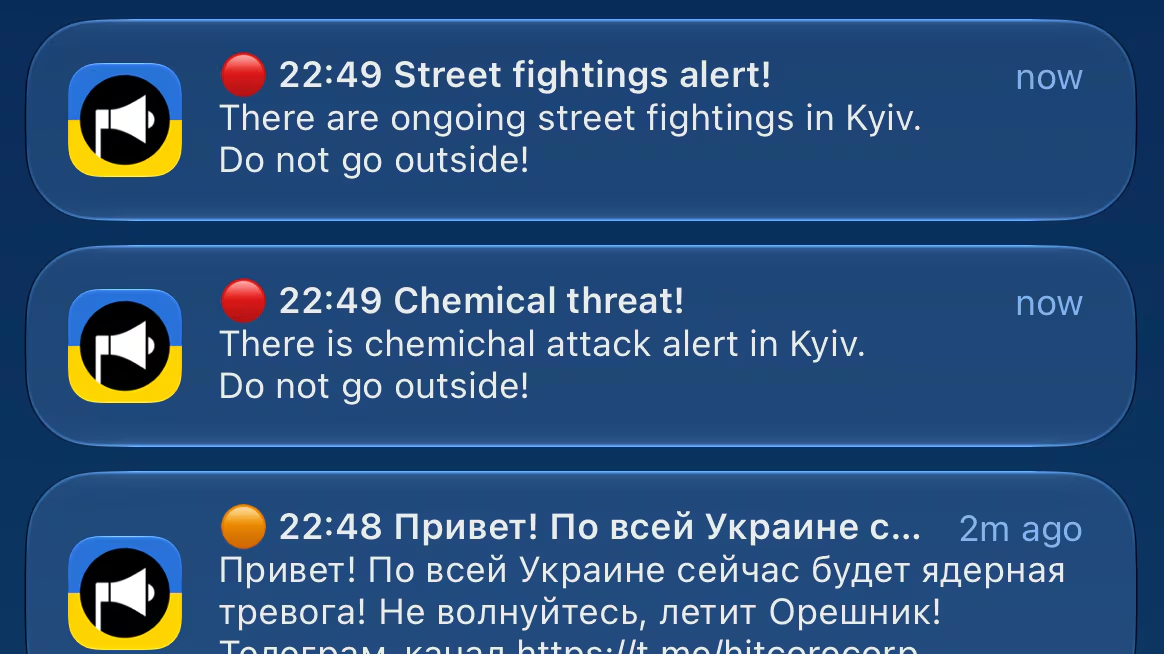
Cyberattacks send false nuclear warnings through Ukrainian and Russian emergency apps
Both countries reported interference with public warning apps, spreading false alerts about nuclear danger while authorities urged residents to rely on official information.
34 sources · over 2 days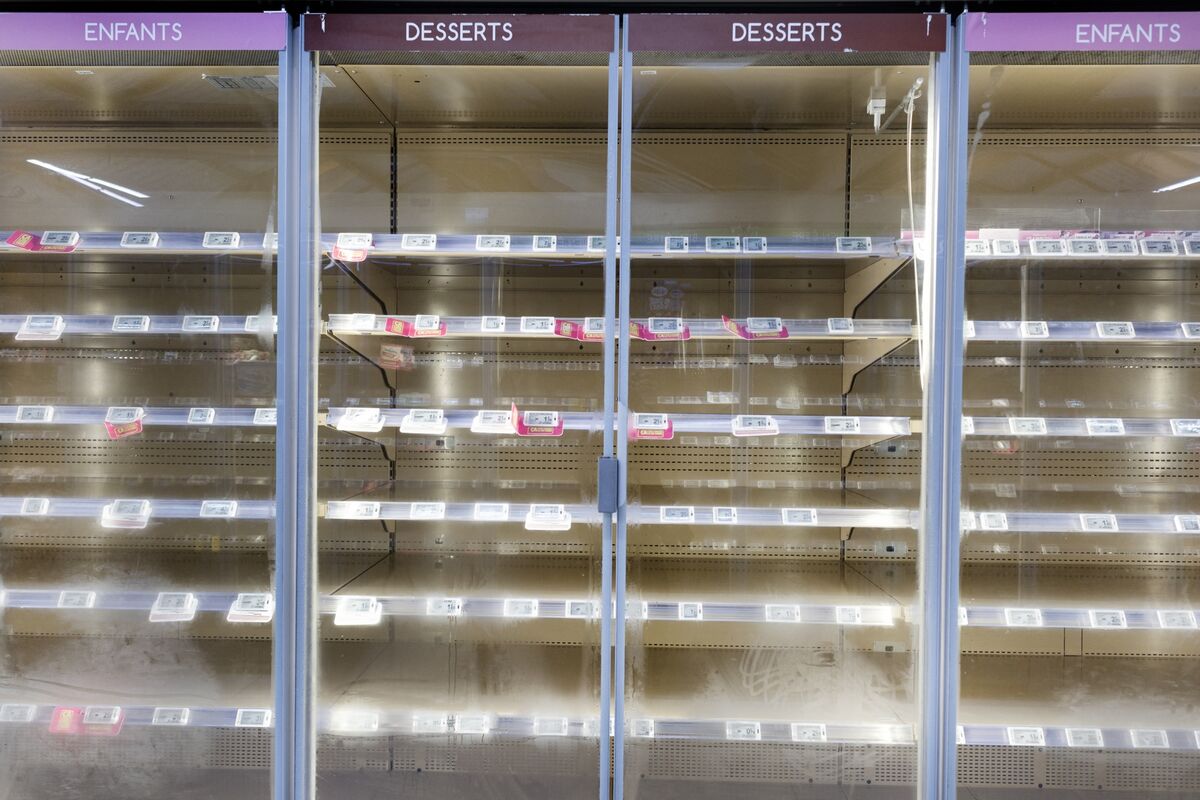
Suspected Freezer Hacks Disrupt Supermarkets in Belgium and Sweden
Sudden refrigeration temperature changes have hit dozens of supermarkets, forcing food disposal in Belgium and raising fears of another cyberattack weeks after similar incidents in France.
9 sources · today