
US Closes AI Chip Loophole Targeting China's Remote Access, Hitting Southeast Asia Data Centres
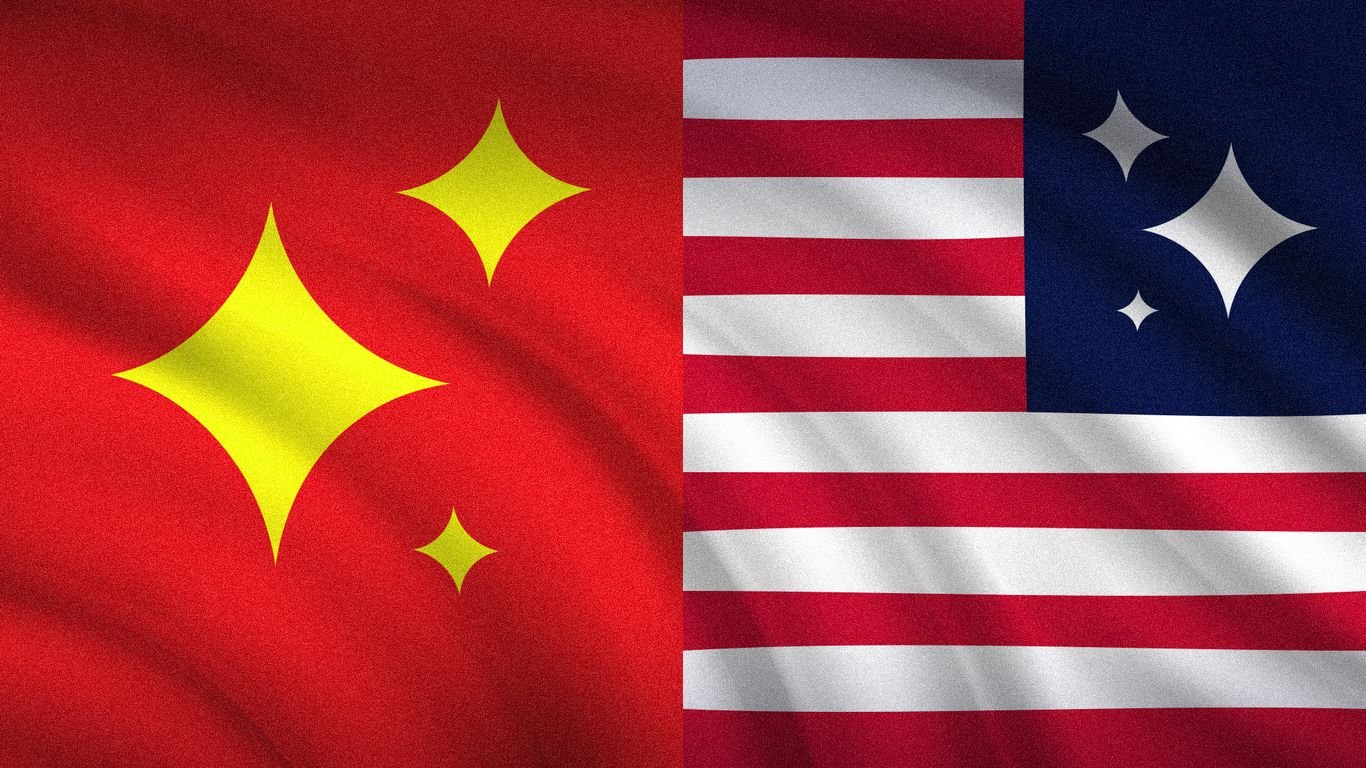
Washington's new rule curbs remote access to advanced chips through overseas data centres just as Trump meets Xi, rattling Southeast Asia, splitting his own administration and prompting Chinese threats of retaliation.
By Hushread Stories, from 25 outlets · First published 17 Nov 2026 · Chapter 2 of 5
Earlier: US Tightens AI Chip Rules on Remote Access as China Threatens Retaliation
In brief
- The US Commerce Department issued a rule on 16 November closing a loophole that let China reach advanced AI chips through overseas data centres.
- Operators in Indonesia, Malaysia, Singapore, Thailand and Brazil face restrictions on remote access to certain GPUs and servers, with licences required for chip purchases.
- China's commerce ministry said it would retaliate if the US proceeds and urged Washington to settle differences through dialogue.
- Reports describe divisions inside the Trump administration, with Treasury Secretary Bessent said to have pushed the rule over Commerce objections.
- Amazon, Google and Meta lobbied against the curbs, but Trump pushed ahead, and Southeast Asian chip and data centre stocks fell.
Timeline · 7 moments
Nvidia warns customers of legal exposure under rule
Tom's Hardware ↗Amazon, Google and Meta press Trump, who proceeds
India Today ↗Reuters finds Chinese firms training on US AI outputs
bdnews24.com - Home ↗Rule bans remote GPU access in five countries
The Register ↗Bloomberg: Chinese AI firms limit cyber capabilities in models
Bloomberg.com ↗Trump begins China trip as chip curbs announced
ThePrint ↗US issues rule closing AI chip remote-access loophole
Technology ↗How it started
The immediate backdrop was the contest over artificial intelligence between Washington and Beijing, with Alibaba unveiling a new flagship AI model as competition sharpened.
US export rules already limited sales of the most advanced AI chips from companies like Nvidia to China. But the rules left a gap. Chinese firms could rent computing power from data centres abroad, reaching restricted hardware without ever buying or importing it.
Business Line reported that the new rule was meant to stop remote access from circumventing existing limits on sensitive AI technology, so that third-country data centres cannot be used to bypass them.
How it unfolded
On Monday 16 November, as President Trump began his trip to Asia to meet President Xi, the Commerce Department released the rule. ThePrint reported that Washington said it would further restrict China's access to the best AI chips from companies like Nvidia, and Global News described a requirement that overseas data centres serving customers in countries including China, Russia, Iran and Cuba identify their end users.
The geography mattered. The Register reported that the Bureau of Industry and Security would ban remote access to certain GPUs and servers in datacentres in Indonesia, Malaysia, Singapore, Thailand and Brazil. Japan Times said operators in Southeast Asia would need a US government licence to buy advanced chips from Nvidia and other American makers. Fortune described the measure as a proposal covering four Southeast Asian nations, and Singapore moved quickly to defend its standing as a trusted business hub.
The pushback was immediate and came from several directions. India Today reported that Amazon, Google and Meta pressed Trump over the data centre curbs, and that he pushed ahead anyway. Tom's Hardware, citing CNBC, said Nvidia warned customers the rule could expose them to legal trouble for serving Chinese clients. ZeroHedge reported that the crackdown froze a $480 million loan linked to ByteDance, a claim from a single, less conventional source.
On Tuesday 17 November, China responded. Bloomberg reported that Beijing warned of retaliation if Washington proceeds, while urging dialogue. The Next Web said the commerce ministry strongly opposed the rules, and Times Now carried the same warning of countermeasures.
Other coverage showed the limits of the strategy. Bloomberg reported that China's top AI firms had limited the cyber capabilities of their latest models. A Reuters investigation, relayed by bdnews24, found Chinese entities using output from leading American AI models to train domestic rivals as chip curbs bite.
Where it stands
The rule is out and the diplomacy is live. The measure casts a shadow over the Trump-Xi meeting, as The Globe and Mail put it, with Beijing signalling countermeasures while still asking for talks.
Inside Washington the policy is contested. Reason described an administration of two minds on chips and China, and the South China Morning Post pointed to fractures inside the administration and Silicon Valley, alongside a leadership crisis at Nvidia. The reported account of Bessent pushing the rule over Commerce objections comes from that wider coverage of the split.
For Southeast Asia the costs are already visible. The New York Times said the rules could jeopardise billions in investment and force the region into a harder balancing act between Washington and Beijing, and CNA noted reputational risks alongside a chance to toughen regulatory oversight. Regional markets and data centre stocks have been hit.
What to watch
The first question is what comes out of the Trump-Xi talks. Beijing has tied its threat of countermeasures to the US proceeding, so any softening, delay or trade-off could change the picture quickly.
The second is how the rule is applied. Licensing terms, the end-user checks for data centre operators and the legal exposure Nvidia flagged will determine how much remote access actually closes, and how much business Southeast Asian hubs like Singapore keep.
More in Technology
All →
US Tightens AI Chip Export Rules, Targeting China's Overseas Data Center Access
A new Commerce rule closes the remote-access loophole and reaches five countries beyond China, landing days before Trump and Xi meet and as Nvidia halts some China shipments.
35 sources · over 4 days
Early Black Friday 2026 Tech Deals Arrive, Led by Apple and Samsung
Retailers opened Black Friday discounts more than a week early, with Apple and Samsung hardware dominating the price cuts. Amazon's official sale went live on November 19, so shoppers can compare offers now.
32 sources · over 4 days
Google launches Gemini 4 Neon, a cheaper mid-tier model aimed at coding and agents
Gemini 4 Neon is Google's fourth new model in about a month, and its $3 and $15 token pricing and speed claims put it in direct competition with Anthropic and OpenAI.
32 sources · over 2 days