
US Officially Loses Measles Elimination Status After More Than 25 Years
The Pan American Health Organization has ruled measles endemic in the US after a year of continuous spread, a historic setback for public health that may take years to reverse.
By Hushread Stories, from 51 outlets · First published 17 Nov 2026
In brief
- The United States lost its measles elimination status on November 17, 2026, after more than 25 years.
- The Pan American Health Organization made the decision after 12 months of continuous measles transmission in the country.
- Outlets describe the current outbreak as the worst since 1991, though they cite different case counts that may cover different time windows.
- Mexico and Bolivia lost their measles-free status the same week, and Canada lost its status the previous year.
- Doctors warn of more infected pregnant women and newborns, and regaining elimination status may take years.

Timeline · 11 moments
Guardian opinion calls for Kennedy impeachment over measles surge
Guardian Health ↗Measles now considered endemic in US, experts discuss path back
ABCNews.com ↗Experts say reversing US measles progress requires system-wide action
The Hill ↗Kennedy faces Democratic criticism over US loss of measles status
foxnews ↗Mexico and Bolivia also lose measles elimination status alongside US
Top World News- News18.com ↗Health authority details why US lost measles-free status
ARD Tagesschau ↗Mexico also loses measles-free status
The Independent ↗Outbreak called worst since 1991 as status lost
Guardian Health ↗US loses elimination status for first time in 25 years
The Hill ↗PAHO declares measles endemic in US after 12 months
CNBC ↗Update 19 Nov 2026, 8:55 pm UTC
Coverage since publication has mostly shifted toward accountability and causes. Guardian Health ran an opinion piece arguing Health and Human Services Secretary Robert F. Kennedy Jr. should be impeached, noting at least 11 Americans have died of measles since January 2025. Reason argued that blame extends well beyond one official. The headline's core facts still hold, so no correction is needed, though the piece now reflects a wider debate over responsibility.
Update 19 Nov 2026, 11:45 am UTC
Coverage since the original piece has mostly added context rather than changing the core facts. The loss of elimination status is confirmed as the central event, and Guardian Health now frames it as official recognition that measles is endemic in the US after 26 years. ABC News reports the virus is now considered endemic and says experts are weighing how the status could be regained. No case counts, names or outcomes in the published headline have changed, so the piece remains accurate as written.
Update 19 Nov 2026, 3:26 am UTC
Coverage since the original piece is mostly a follow-on rather than a correction. Al Jazeera reported the US has lost its measles-free status after 26 years while its largest outbreak in over three decades continues, which matches the headline. The Hill reported Pennsylvania's eighth measles-related death this year, one day after the US lost its status, a development that adds to the human toll without changing the central facts of the piece.
Update 18 Nov 2026, 9:16 pm UTC
The new coverage confirms the core facts in the piece: the Pan American Health Organization announced on November 17 that the United States has lost its measles elimination status, the first loss since 2000 according to BMJ. France24 and Ars Technica frame the loss as the result of a sharp rise in cases, and CBC Top Stories notes that Mexico and Bolivia lost their status the same week, with Canada having lost its own a year earlier. The headline and key points still hold, so no correction to the title is needed, but the timeline below adds the same-week losses by Mexico and Bolivia and the policy debate now underway.
Update 18 Nov 2026, 3:15 pm UTC
Coverage published since the original piece mostly reinforces the November 17 loss of elimination status rather than changing its facts. Sky News and France24 confirm the Pan American Health Organization decision after 26 years, and Top Stories quotes Johns Hopkins expert Dr. Amish Adalja saying the US lost the status by choice, with one in five patients hospitalized and one in 1,000 dying. Guardian Health reports strong condemnation from public health leaders and calls for RFK Jr to resign, while Sydney Morning Herald focuses on fresh outbreak risks after falling vaccination rates. The headline and core facts remain accurate, so no correction is needed.
Update 18 Nov 2026, 9:10 am UTC
Coverage from November 18 confirms the loss of elimination status and adds that PAHO's announcement also covered Mexico and Bolivia, while criticism of Health and Human Services Secretary Robert F. Kennedy Jr. has grown. NDTV News and Japan Times both put the 2026 case count above 5,400, which is consistent with the figure in our opening paragraph. The headline and key points still hold, so only the timeline needs a new entry.
Update 18 Nov 2026, 3:08 am UTC
The loss of status was confirmed on November 17, 2026, when the Pan American Health Organization said the US had passed 12 months of continuous measles transmission. Gulf News and AllSides News both put the headline story at 26 years, and Gulf News cited more than 5,400 cases. The overall picture has not shifted from the original piece, though Mexico and Bolivia losing their status alongside the US is now clearly reported by AP and The Hill, and the loss is being framed as the start of a long recovery rather than a single event.
How it started
Measles was declared eliminated in the United States more than 25 years ago, a distinction that meant the virus was no longer continuously spreading within the country. Guardian Health put the length of that run at 26 years.
The status was never a guarantee. It depended on keeping transmission chains from lasting. According to CNBC, the rule is that if the virus circulates without a break for 12 months, it counts as endemic, meaning always present.
The outbreaks that eventually broke that streak are still ongoing, and the coverage does not trace a single starting point for them.
How it unfolded
By mid-November 2026, the consequences of the outbreak were already drawing alarm among doctors. On November 16, The New York Times reported on a new analysis showing the severe effects of measles infection during pregnancy, including hospitalization and pregnancy loss. The paper said more pregnant women and newborns are being sickened.
The next day, the formal ruling came. According to CNBC, the director of the Pan American Health Organization made the final call that measles is endemic in the US after 12 months of continuous transmission. The Hill reported the US officially lost the status on Tuesday, for the first time since it gained it.
The American Society for Microbiology issued a statement responding to the announcement, per its own release. The same day, an AP report carried by KYTV described doctors sounding the alarm about babies born with measles for the first time in decades. This is congenital measles, which happens when a pregnant woman passes the virus to her fetus in the womb.
The Independent reported that Mexico also lost its measles-free status after a resurgence there.
Where it stands
The case numbers differ between outlets, and they are not directly comparable. The Hill reported more than 7,700 cases in the past two years. Guardian Health cited more than 5,400 US cases and described the outbreak as the worst since 1991. The coverage provided does not explain the gap, which may reflect different time windows.
The outbreaks are described as continuing. The New York Times said it may take years for the country to regain elimination status, and that in the meantime communities will need to adopt numerous strategies to protect people.
What to watch
The central question is whether transmission can be stopped, since regaining elimination status depends on it. The New York Times has said the path back could take years, so no quick reversal should be expected.
The other thing to follow is the health toll on the most vulnerable. Doctors are watching infections in pregnant women and newborns, including congenital cases, which the AP described as unseen in the US for decades.
More in Health
All →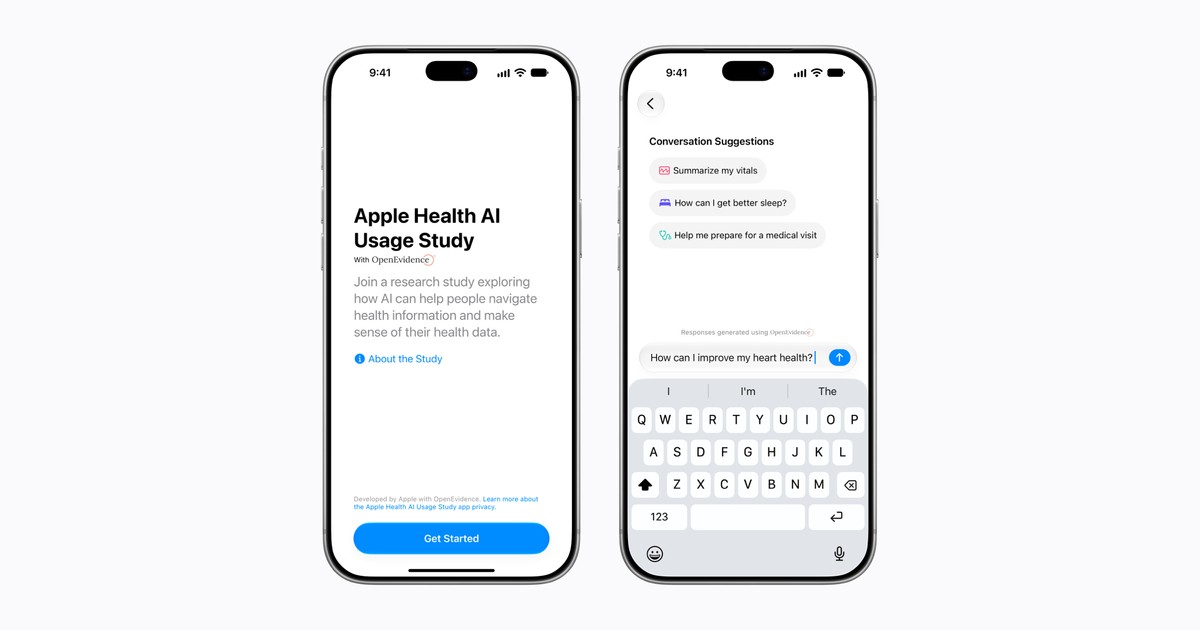
Apple launches Health AI Usage Study app to test AI health chatbot with US volunteers
Apple is recruiting Americans to test a health chatbot that draws only on trusted medical research, a measured step into a field where people already ask AI hundreds of millions of questions.
23 sources · over 2 days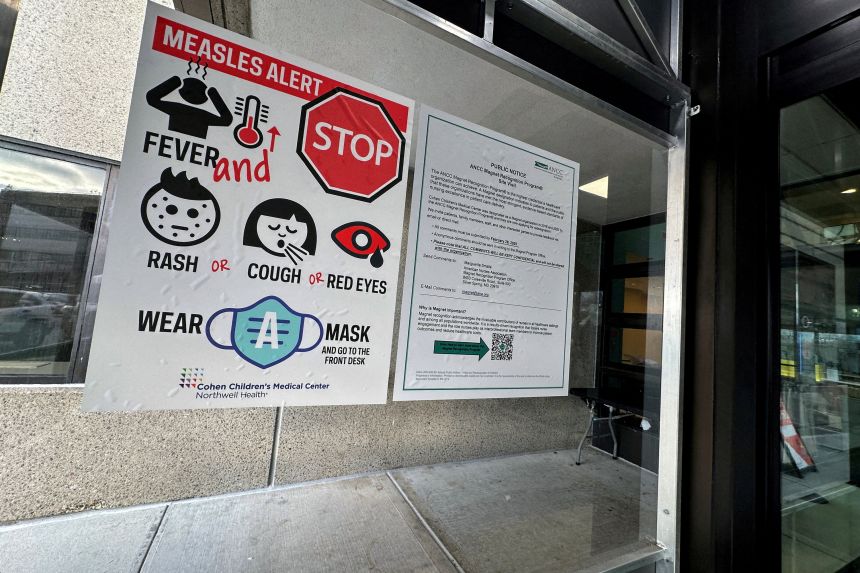
US Loses Measles Elimination Status as Cases Top 5,400 and Deaths Reach 10
Measles is now spreading continuously in the United States, ending more than 25 years of elimination.
38 sources · over 7 days
FDA orders vision loss warnings for GLP-1 weight-loss and diabetes drugs
Manufacturers must warn patients and doctors about a potential increased risk of a rare eye condition that can cause permanent vision loss, affecting widely used weight-loss and diabetes medicines.
33 sources · over 3 days