
US Sanctions Against International Criminal Court Draw Backlash From Allies
Sanctions targeting the court itself threaten its ability to operate, while US allies pledge support and the European Union calls on Washington to reverse course.
By Hushread Stories, written with AI from 45 outlets · First published 11 Oct 2026 · Chapter 2 of 2
Earlier: US imposes sanctions on ICC hours after Navi Pillay wins Nobel
In brief
- The Trump administration imposed sweeping sanctions against the International Criminal Court itself on October 9.
- Secretary of State Marco Rubio said Washington would ban transactions with the court to cripple its operations.
- Companies have 180 days to stop trading with the tribunal, which has rejected the sanctions.
- Japan, the United Kingdom, France and other allies have condemned the measures and reaffirmed support for the court.
- The European Union has called for reversal, while the court says sanctions will not halt its work.
Timeline · 7 moments
Canadian jurists press government to help strengthen court
CBC Top Stories ↗Pillay calls US penalties against the court unacceptable
BBC World ↗European Union urges Washington to reverse ICC sanctions
Middle East Eye ↗Eight countries criticize sanctions and reaffirm court support
Times now ↗ICC rejects sanctions as assault on rule of law
The Hindu ↗Rubio announces transaction ban targeting the ICC itself
Global News ↗Former ICC judge Navi Pillay receives Nobel Peace Prize
La Nacion ↗How it started
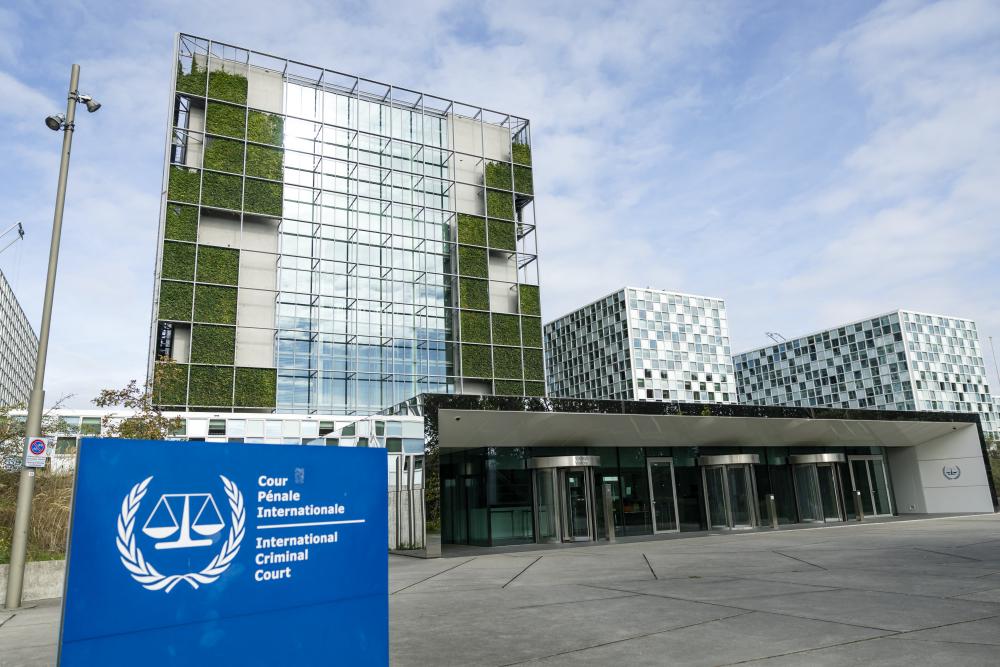
The Trump administration's confrontation with the International Criminal Court has moved from penalties against individuals to sanctions against the institution itself. Il Post reported that previous US sanctions had targeted individual court members.
Washington says the court is politicized and attempting to prosecute Americans and Israelis illegally, according to CBC News. The court was established to prosecute war crimes and crimes against humanity that might otherwise go unpunished, Euronews reported.
The new measures were announced on October 9, hours after former ICC judge Navi Pillay received the Nobel Peace Prize, according to NYT World News. That establishes the sequence of events, but the supplied reporting does not establish that the award caused the sanctions.
How it unfolded
On October 9, Secretary of State Marco Rubio announced a ban on transactions with the court. "We will ban transactions with this rogue court, cutting off their resources and crippling its ability to operate against us," he said, according to Global News.
The measures give companies 180 days to stop trading with the Hague-based tribunal, Financial Times World reported. Washington Post World described the sanctions as aimed at cutting the court off from the global financial system, with threats of punishment for countries doing business with it.
The court rejected the measures that day, calling them "an assault on the rule of law and on the very foundations of the international legal order," according to The Hindu. Deputy prosecutor Nazhat Shameem Khan said the sanctions would not halt its work, Business Line - Home reported.
International opposition followed on October 9. Eight countries, including Japan, the United Kingdom and France, criticized the sanctions and reaffirmed support for the court, according to Times now. Prime Minister Sanae Takaichi expressed deep concern and called the move "incompatible with" Japan's position, Japan Times reported. UN Secretary-General Antonio Guterres called the measures "a serious blow to our collective pursuit of international criminal justice," according to World News CNA.
On October 10, the European Union called on Washington to reverse its decision, Middle East Eye reported. Pillay also condemned the penalties as "unacceptable" and "unheard of," according to BBC World.
Where it stands
The dispute now concerns the court's ability to function, not just the treatment of individual judges or prosecutors. NPR Politics reported that Rubio vowed to dismantle the tribunal. The court, meanwhile, insists it will continue working.
The European Union has promised to help the institution pursue its missions, according to Le Monde. That commitment and the backing from other US allies leave Washington facing broad opposition, but the supplied coverage does not report a reversal of the sanctions or establish how much operational disruption has already occurred.
What to watch
The concrete deadline is the 180-day period for companies to stop trading with the court, reported by Financial Times World. How businesses respond will help determine whether Washington's stated aim of cutting off resources translates into disruption of the tribunal's work.
Another pending issue is whether pledges of support become practical protection. Canadian legal professionals are pressing their federal government to strengthen the court, according to CBC Top Stories, while the European Union is seeking a US reversal. The supplied coverage does not yet describe a completed package of protective measures.
More in World
All →
Justice Department Investigates Five TV Networks Over Trump Pool Coverage Suspension
The antitrust investigation opens a separate dispute over the networks' response to White House access restrictions, while a judge weighs whether to keep blocking the ban.
25 sources · over 9 days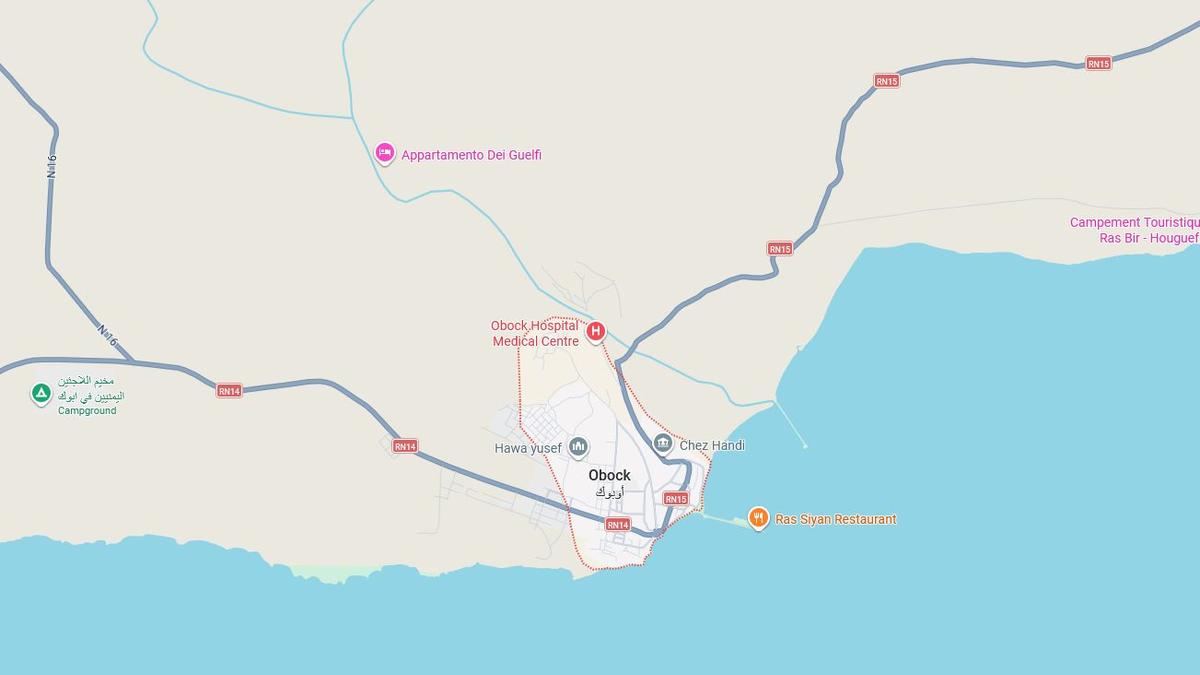
At Least 139 Migrants Die as Boat Capsizes Off Djibouti
At least 84 people remain missing after a boat carrying 305 migrants capsized off Djibouti.
34 sources · today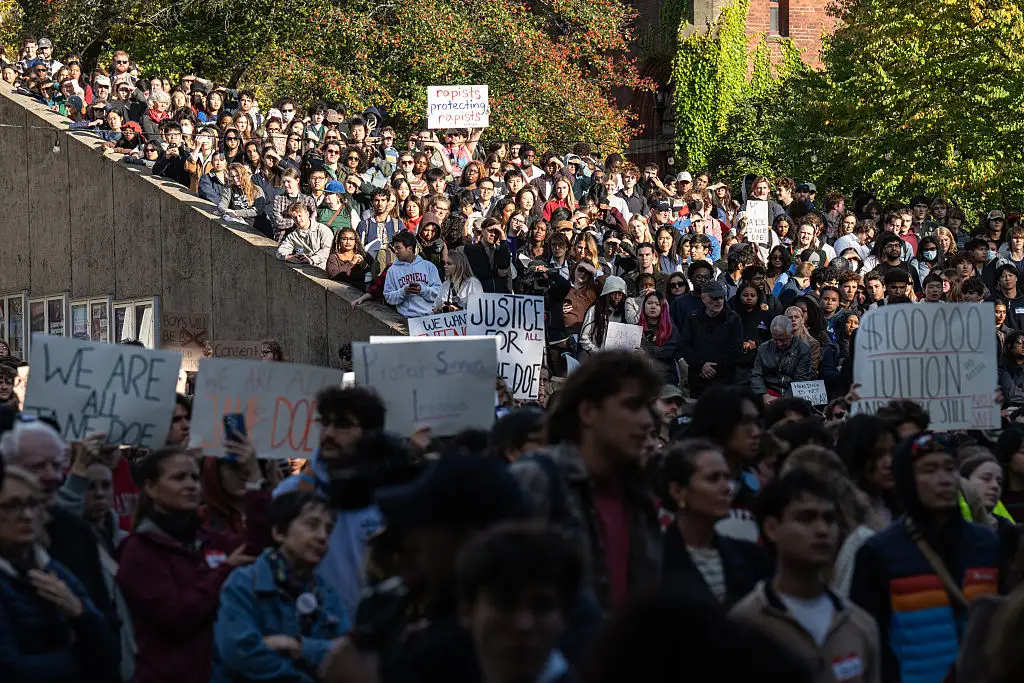
Cornell Rape Allegations Fuel Protests and James Special Prosecutor Appointment
New York Gov. Kathy Hochul tapped Attorney General Letitia James as special prosecutor, while Cornell canceled its homecoming concert amid student protests.
31 sources · over 7 days