
US Tightens AI Chip Export Rules as Nvidia Scandal Widens and California Opens Probe
New Commerce Department rules close offshore and remote-access loopholes just as Nvidia's leadership scandal, congressional disclosures and a California subpoena put Washington's own chip approvals under scrutiny.
By Hushread Stories, from 61 outlets · First published 20 Nov 2026 · Chapter 6 of 6
Earlier: US Tightens AI Chip Export Rules, Targeting China's Overseas Data Center Access
In brief
- The Commerce Department released rules closing a loophole that let Chinese firms reach advanced chips through offshore data centres and remote access.
- China said it will take necessary measures and called the curbs coercion, while Tencent warned the ban sets everyone back in China.
- Congressional documents show Commerce approved sales of 879,868 Nvidia and AMD chips to Chinese companies in six months, some with military ties.
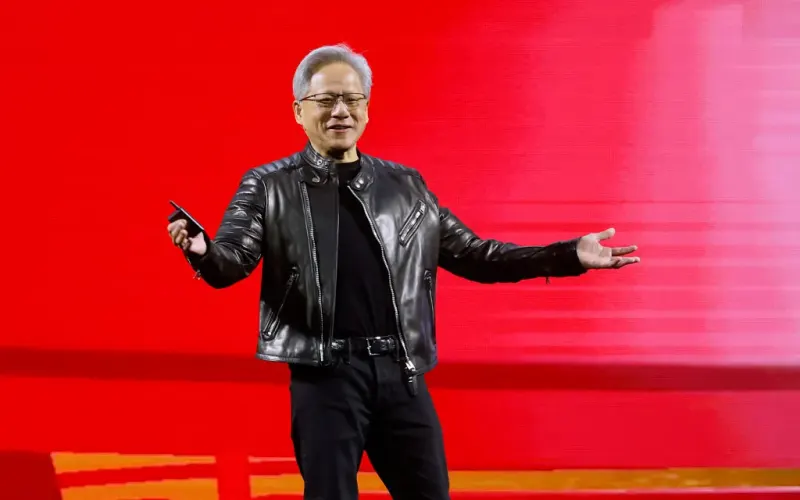
- Jensen Huang resigned as Nvidia CEO after reports of an affair with a woman US officials accuse of being a Chinese spy.
- California Attorney General Rob Bonta subpoenaed Nvidia over possible chip diversion to China and whether it misled investors, and Huang is due to testify on Dec. 1.
Timeline · 7 moments
CNN finds blacklisted Chinese universities bought Nvidia chips
CNN Top Stories ↗Jensen Huang resigns after affair with alleged spy
TechCrunch ↗Nvidia stops shipping AI chips to China
Technology | The Indian Express ↗Tencent says remote-access ban sets China back
The Register ↗White House weighs forcing disclosure of Chinese AI use
Reuters ↗Commerce releases rules closing offshore data centre loophole
Christian Science Monitor ↗China vows necessary measures over new US chip curbs
ICL ↗How it started
The immediate trigger was a gap in the rules. Chinese companies that cannot legally buy the most advanced AI chips had been reaching them anyway, through offshore data centres and remote access to hardware held elsewhere.
The Commerce Department's new export-control rules aim to shut that route. The Christian Science Monitor reported that they close a loophole that had allowed Nvidia and other companies to supply chips to offshore data centres used by Chinese firms.
Then came a scandal that made the loophole politically impossible to ignore. Wired described the administration's clampdown as driven by what it called the cheating scandal of the century.
How it unfolded
On Nov. 17, China responded. ICL, citing Folhapress, reported that Beijing said it would take the necessary measures to defend its interests and described the US restrictions as coercion.
By Nov. 19 the corporate fallout was clear. The Register reported that Tencent's president, Martin Lau, said the ban on remote access to GPUs would have a short-term impact but would ultimately push China to speed up domestic alternatives. The Indian Express reported that Nvidia stopped shipping AI chips to China as pressure mounted over export controls.
The scandal itself centred on Nvidia's leadership. TechCrunch reported that Jensen Huang resigned following an affair, with national security implications as the US and China race on AI infrastructure. Politico said the affair was with a woman US intelligence officials have accused of being a Chinese spy. The Guardian reported that Nvidia's headhunters approached Arm boss Rene Haas about the vacant top job.
Other threads opened around it. News18 reported on a $2.5 billion chip smuggling probe that has put a spotlight on Cenly Chen, a former Super Micro Computer executive reportedly married to Nvidia's former No. 3, Jay Puri. The News18 report said neither faces criminal charges. Tom's Hardware reported that Supermicro shareholders sued the company over claims that Chen knew about illicit China sales.
The biggest shock for Washington came from its own files. CNBC reported that Rep. Mast said Commerce approved sales of more than 879,000 AI chips to Chinese companies. Al Jazeera put the figure at nearly 900,000 over six months, and ZeroHedge gave a precise count of 879,868, saying a third went to companies on a Pentagon list. The New York Times said lawmakers released confidential information showing some buyers had military ties, and The Register reported the approvals covered entities the Department of War classifies as Chinese military companies. AMD told ZeroHedge it complies with applicable US export control laws.
Enforcement gaps showed elsewhere too. CNN found that at least six blacklisted Chinese universities reported buying restricted Nvidia chips in recent years. Reuters reported in an exclusive that the administration is weighing forcing US firms to disclose Chinese AI use.
On Nov. 19, California moved. Attorney General Rob Bonta served Nvidia with an investigative subpoena. The Hill quoted his statement that the conduct of Nvidia and its former CEO raises bright red flags, including about the ways in which the company may have misled investors.
Where it stands
The tighter rules are in place, and the effect is being felt in China. The Wall Street Journal reported that the US move to cut off high-end computing power has dealt a blow to Beijing's AI ambitions, with Chinese firms facing withdrawal from Nvidia chips.
But critics say gaps remain. Foreign Policy argued that even after the scandal, the new rules leave significant loopholes, pointing to the Gulf as the next test. The Christian Science Monitor noted that divisions over AI and China persist.
Nvidia is in the unusual position of facing a state investigation, a leadership vacuum and a halt to China shipments at once.
What to watch
Just the News reported that Huang is set for a transcribed interview with Republican-led committee staff on Dec. 1. It also said Democrats are signalling that when they take the gavels in January, Commerce Secretary Lutnick and his department will come under scrutiny.
Open questions include whether the White House goes ahead with mandatory disclosure of Chinese AI use, what Beijing's promised countermeasures look like, and who Nvidia names as its next CEO.
More in Technology
All →
White House Fires National Cyber Director Sean Cairncross Amid Tech Outages
Sources say Trump backed the firing as the White House names Kirsten Davies to lead national cyber policy.
37 sources · over 2 days
Early Black Friday 2026 Tech Deals Arrive, Led by Apple and Samsung
Retailers opened Black Friday discounts more than a week early, with Apple and Samsung hardware dominating the price cuts. Amazon's official sale went live on November 19, so shoppers can compare offers now.
33 sources · over 5 days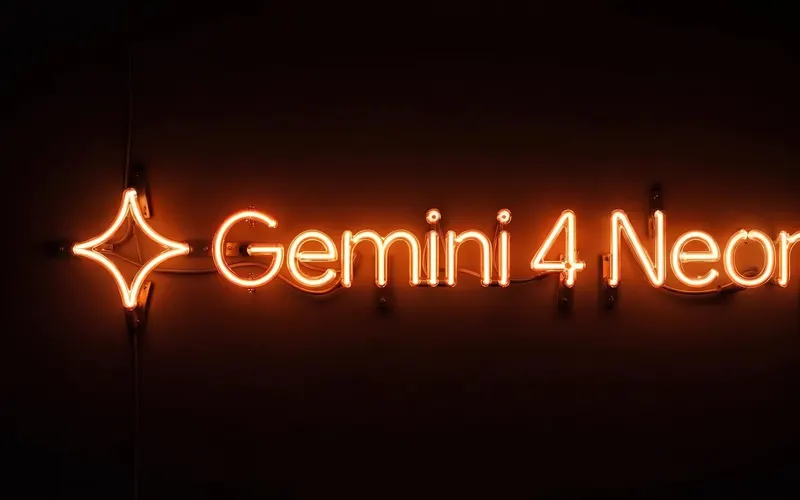
Google launches Gemini 4 Neon, a cheaper mid-tier model aimed at coding and agents
Gemini 4 Neon is Google's fourth new model in about a month, and its $3 and $15 token pricing and speed claims put it in direct competition with Anthropic and OpenAI.
39 sources · over 2 days