
US Voters Reject AI Data Center Expansion in Midterm Ballot Measures
Local votes against data centers and victories for candidates promising tighter oversight threaten to delay AI construction, as companies confront public anger over electricity use and neighborhood disruption.
By Hushread Stories, from 37 outlets · First published 4 Nov 2026
In brief
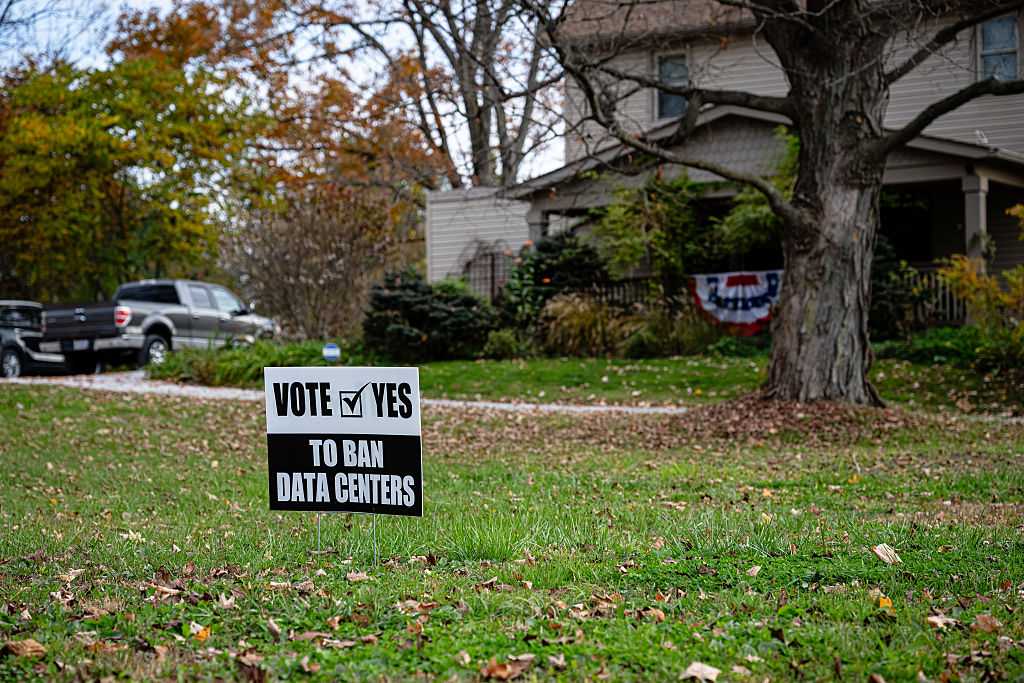
- Voters across the United States backed restrictions on data centers in the November 3 midterm elections.
- Forty five measures reached ballots, with early reporting showing overwhelming opposition to further data center development.
- Opposition crossed party lines as communities raised concerns about electricity consumption, utility bills and noise pollution.
- OpenAI is considering calling its facilities AI compute campuses as part of a broader public relations campaign.
- The results put construction schedules, project locations and costs under scrutiny, without necessarily ending overall spending growth.
Timeline · 6 moments
Project outlook shifts toward delays, relocations and higher costs
MarketWatch ↗AI stocks fall despite a broader Wall Street rally
Economic Times Business & Economy ↗Election results show voters backing dozens of moratoriums
Axios ↗OpenAI executive sets out AI tests for 2028 candidates
The Next Web ↗Local restrictions reach ballots across at least seven states
Forbes ↗OpenAI considers a new name for data centers
TechCrunch ↗How it started
The backlash began with the local costs of the AI building boom. A single large AI data center can consume as much electricity as tens of thousands of homes, according to Technology, which reported growing concern about household utility bills.
Noise and resource use also became political liabilities. France24 reported that more than 5,000 data centers were scattered across the United States, some near urban centers, generating noise pollution and consuming large amounts of electricity.
By the eve of voting, the dispute had moved beyond individual construction sites. Forbes reported on November 2 that municipalities across at least seven states were voting on bans or moratoriums, following a rapid rise in public opposition over the previous year.
How it unfolded
On November 1, TechCrunch reported that OpenAI might rebrand its data centers as "AI compute campuses." The proposal addressed a growing reputational problem for facilities central to the company's expansion.
By November 2, the political stakes were becoming clearer. Bloomberg reported that voters in dozens of cities and counties would have a chance to support policies slowing data center development.
OpenAI was also looking beyond the midterms. On November 2, The Next Web reported that Chris Lehane, OpenAI's chief global affairs officer, predicted AI would be the leading issue in the 2028 presidential election and had outlined five questions for candidates.
Voting on November 3 produced a broad rejection of expansion. In its November 4 account, Axios reported that voters approved dozens of moratoriums and elected candidates favoring a slowdown in a $10 trillion buildout, including in Texas.
The result was not confined to one party's supporters. The Register reported on November 4 that data center restrictions had found broad support, reinforcing the issue's reach across partisan lines.
Where it stands
The direction of the vote is clearer than the final tally in the supplied reports. Tom's Hardware described 45 measures on ballots and overwhelming early opposition to development. Mashable Tech reported approval of more than 40 measures to slow or ban growth, while CNBC said voters rebuffed data centers in every ballot measure except one. Those accounts do not provide a single reconciled count of bans, moratoriums and other restrictions.
The election also strengthened the push for wider AI oversight. The New York Times reported that voters rejected data center projects and elected Democratic candidates who had promised to regulate the technology.
Investors were already responding on November 4. According to Economic Times Business & Economy, CoreWeave, Iren, Nebius, Nvidia and Marvell fell despite a broader Wall Street rally following the Democratic sweep of Congress.
What to watch
The next test is how local restrictions change individual projects. MarketWatch expects delays, relocations and higher expenses rather than a large drop in total US data center spending. That distinction matters: investment could continue while communities change where and how facilities get built.
OpenAI's response remains another open question. CNET News Tech reported that the proposed "AI compute campuses" name forms part of a post-midterms marketing campaign. The coverage does not establish that the rebranding has been fully adopted.
More in Technology
All →
Netflix Launches AI Discover Tab for Mood-Based Recommendations on TVs
Netflix is testing a new way to choose films and series, starting with select US users as the service looks to improve discovery amid declining viewer engagement.
18 sources · over 2 days
North Korea denies Binance hack as investigators trace $6.3 billion theft
Binance has reopened withdrawals after the theft, but customers have pulled out billions as the FBI blames North Korean hackers and Pyongyang rejects the accusation.
112 sources · over 7 days
Google Says Schools Can Keep Search With AI Overviews Enabled
After political backlash, Google said schools can restore student Search access by allowing AI Overviews, even if they turn off other AI tools.
34 sources · over 4 days