
Zelensky accuses Trump of betrayal over Russian diesel deal
Russian strikes on Ukrainian power facilities and growing opposition in Washington have intensified scrutiny of Trump's diesel agreement, while Kyiv also reports restrictions on vital satellite services.
By Hushread Stories, written with AI from 75 outlets · First published 15 Oct 2026 · Chapter 3 of 3
Earlier: Trump's Russian Diesel Deal Faces Backlash as Ukraine Energy Strikes Continue
In brief
- Trump agreed to allow Russian diesel into the American market, drawing criticism from Ukraine and members of his party.
- Zelensky said the agreement felt like betrayal as Russian attacks continued against Ukrainian energy infrastructure.
- Twelve senators, including six Republicans, urged Trump to reverse the deal, with Republican opposition subsequently growing.
- Trump denied stopping intelligence sharing after Zelensky said allies provided no advance warning of Russian missile strikes.
- Restrictions on Starlink services have added to Ukrainian concerns, while Russian diesel export shipments have already resumed.
Timeline · 7 moments
Zelensky accuses Trump of betrayal over diesel deal
New York Post ↗Russia resumes diesel export loadings at Baltic port
CNN Brasil ↗Republican opposition grows to at least eight senators
The Hill ↗Russian energy attacks leave 600,000 people without power
CNBC ↗Trump says intelligence sharing with Ukraine is continuing
Bloomberg ↗Zelensky reports Kyiv power plant strike without allied warning
BBC World ↗Twelve senators urge Trump to reverse Russian diesel agreement
CBC Top Stories ↗How it started
US President Donald Trump's agreement with Russian President Vladimir Putin would allow Russian diesel into the American market. The Hill reported that the deal covered 2.2 million tons of fuel.
Fuel prices provide the domestic backdrop. According to NPR, US diesel prices reached an all-time high in September. But whether additional Russian supplies would bring meaningful relief remains an open question in the coverage.
For Ukraine, the agreement raised a different concern: easing pressure on Moscow while the war continues. CBC reported that senators opposing the deal warned it would give Russia more resources to finance its war.
How it unfolded
On October 13, 12 US senators, including six Republicans, called on Trump to rescind the agreement, according to CBC. Yahoo Finance reported that Trump had begun downplaying the plan amid criticism from his own party.
That same day, Zelensky said Russian ballistic missiles had struck a key Kyiv power plant without advance warning from Ukraine's partners, the BBC reported. Trump said the United States was still sharing intelligence with Ukraine, according to Bloomberg. The reports do not establish why warning was absent.
On October 14, CNBC reported further attacks on Ukrainian energy infrastructure, leaving 600,000 people without power. Zelensky said a ballistic missile had hit infrastructure supposedly covered by the energy ceasefire Trump had announced on Sunday.
Russia offered its own accusation. According to RT en Español, Russian deputy prime minister Alexánder Novak said Ukraine had attacked two refineries despite the announced energy truce. That claim does not resolve the dispute over the ceasefire's scope or observance.
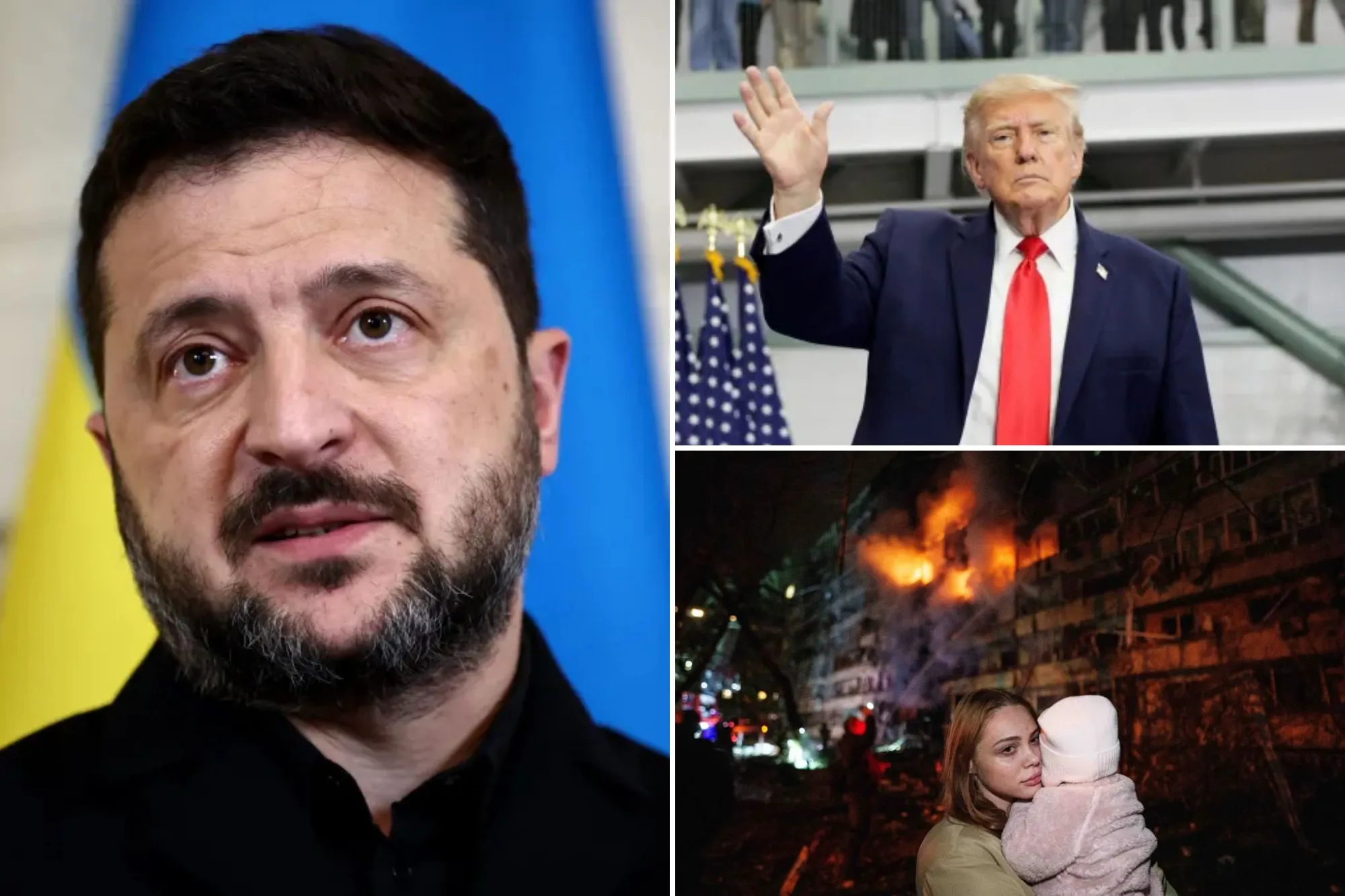
Also on October 14, Zelensky accused Trump of choosing the wrong side by agreeing to import Russian fuel, the New York Post reported. In an interview with Piers Morgan, he described feeling betrayed and losing a powerful partner, according to Le Monde.
The commercial effects were already becoming visible. CNN Brasil, citing LSEG data, reported on October 14 that Russia had resumed loading diesel for export at the Baltic port of Primorsk.
Where it stands
Opposition in Washington has widened. By October 14, at least eight Republican senators were criticizing the agreement, according to The Hill. Its legal basis is also contested: TIME reported lawmakers' arguments that it violated the law, while Reason argued that the planned imports would breach federal law. Those reports do not establish a court ruling.
Kyiv is also reporting problems with satellite support. NBC News reported Ukrainian claims that internet services supplied through Elon Musk's SpaceX were being throttled, putting defense operations at risk. Musk said the services were controlled by the US government, not him.
European backing remains important to Zelensky. Euronews reported European leaders closing ranks with him, while TGcom24 reported Giorgia Meloni reaffirming support for Kyiv and describing Trump's diesel decision as very risky.
What to watch
The immediate questions are whether Trump reverses or changes the agreement under Senate pressure, and whether the disputed energy ceasefire produces any actual reduction in attacks. Resumed Russian export loadings do not, by themselves, establish that the promised fuel has reached the United States.
For Kyiv, clarification of satellite restrictions and missile-warning arrangements is also urgent. Trump's statement that intelligence sharing continues leaves Zelensky's complaint about missing advance warnings unresolved.
More in World
All →
Albania student protests escalate as demonstrators attack ministries in Tirana
Demands for better education and job prospects have widened into calls for Prime Minister Edi Rama's resignation, with ministries damaged and police using tear gas.
17 sources · over 2 days
Inquest planned after fatal Yorkshire tiger attack as family condemns videos
An inquest into William Chapman's death is due to open as his family asks people to stop circulating attack footage and investigators examine what happened.
47 sources · over 5 days
Prosecution Opens Case in Russell Brand Rape and Sexual Assault Trial
Prosecutors have begun presenting their case in London against Russell Brand, who denies all charges in a trial involving allegations from six women and expected to last into December.
25 sources · over 3 days