
Nasdaq Sinks 4% as AI Rout Resumes, Nvidia Falls Again
Renewed AI selling, hot inflation data and new US tariffs drove Wall Street lower after a brief rebound.
By Hushread Stories, from 54 outlets · First published 25 Nov 2026 · Chapter 3 of 4
Earlier: AI stock rout drives US correction as Taiwan and South Korea step in
In brief
- The Nasdaq 100 suffered its worst week since 2020 as AI and tech stocks sold off hard.
- More than $5 trillion was wiped from the S&P 500 in a single week, according to Bloomberg reporting.
- South Korea, China and Taiwan announced measures on November 23 to support their stock markets.
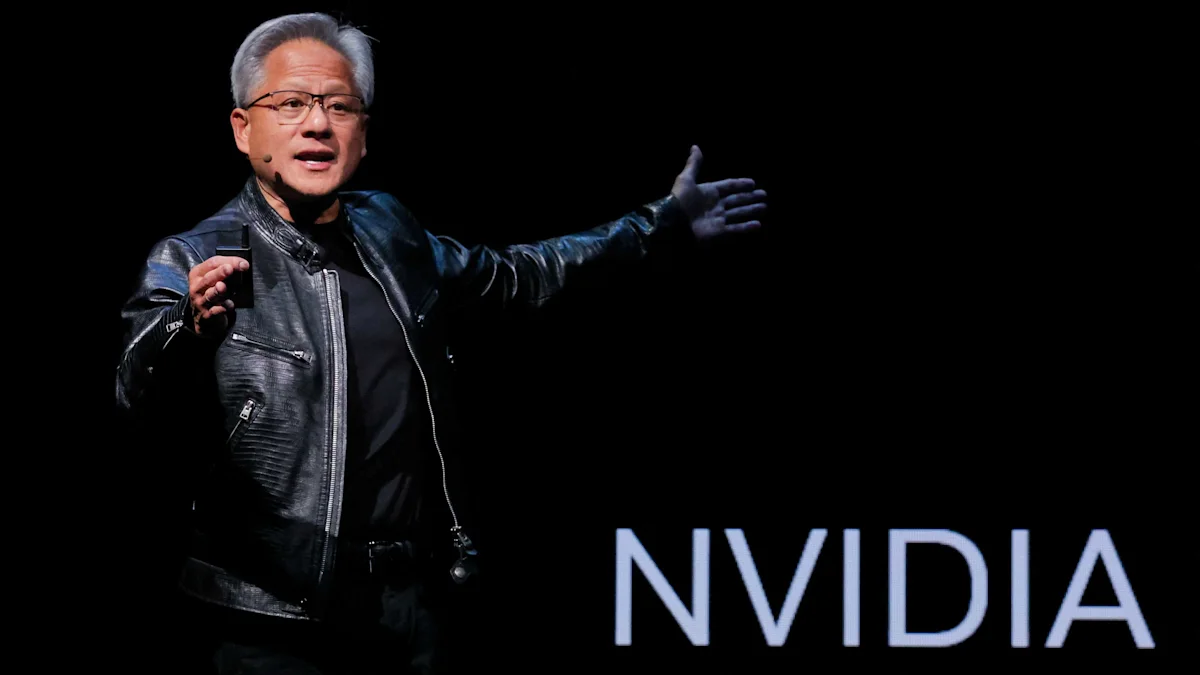
- Nvidia jumped 31% on Monday after Jensen Huang returned as chief executive, then slid again as the gains faded.
- Asian chip stocks tumbled Wednesday as AI doubts, fresh US tariff threats and inflation data returned to focus.
Timeline · 10 moments
Nikkei sinks nearly 3% as AI and chip stocks tumble again
The Mainichi ↗Indian stocks extend rally as investors rotate from AI
Bloomberg ↗SoftBank drops 15% as Japanese chip stocks slump
CNBC International ↗Asian stocks fall as tariff fears and AI doubts return
The Straits Times ↗Dow closes above 50,000 while Nasdaq retreats
MarketWatch.com - MarketWatch Breaking News Bulletins ↗Nvidia reverses jump and Anthropic falls below IPO price
The Financial Express ↗Nvidia soars 31% after Huang returns as CEO
InvestorPlace| InvestorPlace ↗US futures bounce as Kospi hits ten-month low
Business Line - Home ↗Korea, China and Taiwan regulators move to support markets
CNBC ↗Bloomberg tallies $5 trillion wiped from S&P 500
Bloomberg Markets ↗Update 25 Nov 2026, 8:25 pm UTC
The sell-off has resumed after the brief rebound, with the Nasdaq down about 4% on Wednesday and Nvidia falling again despite Jensen Huang's return as chief executive. Reuters and CBC News reported the S&P 500 slumping, while Yahoo Finance tied the chip rout to hotter October inflation data and new 20% Trump tariffs. Oracle is now sliding toward a three-year low, per MarketWatch.
Update 25 Nov 2026, 2:20 pm UTC
The sell-off has resumed rather than stayed confined to the rebound. Nikkei closed down 2.78% at 57,012 on Wednesday, erasing much of the previous day's gains, and The Mainichi reported the index fell nearly 3% even as Nvidia's return as chief executive had lifted tech shares the day before. US equity futures pointed to another weak open, with The New York Times reporting further slides in Nvidia and Anthropic shares ahead of the bell. The headline's claim that indexes rebounded and faded still holds, so no title change is needed.
How it started
The trigger was a growing fear that the AI investment boom might not last. Over the week of 20 November, investors dumped anything tied to artificial intelligence, and the damage spread well beyond a few chipmakers.
Fast Company reported that the Dow ended the week down 8% and the S&P 500 down 8.6%, with all three major US indexes sharply lower. Bloomberg said the unwind wiped more than $5 trillion from the S&P 500, exposing how much of the market's fortunes rest on its biggest stocks.
The Financial Express described the core worry as whether massive infrastructure spending can generate adequate returns. Seeking Alpha linked the slide to the Anthropic IPO, though the coverage does not spell out the mechanism in detail.
How it unfolded
The pain was global. According to the summary of events, Taiwan's Taiex lost roughly 5,000 points in three days, and authorities tightened short-selling curbs. By Monday 23 November, CNBC reported that regulators in South Korea, China and Taiwan were stepping in, with steps including lower margin requirements for leveraged stock buying and the return of a stock stabilization fund. ZeroHedge said Korea was readying so-called plunge protectors for the first time since the Lehman crisis.
Then came a sharp bounce. Business Line reported Nasdaq 100 futures up nearly 3% and S&P 500 futures up 2% in early trade, while South Korean shares fell about 4% to a ten-month low before finding support. Yahoo Finance said the Invesco QQQ Trust opened almost 8% higher and called it the best Monday for stocks since 2020.
The rally had a specific catalyst. InvestorPlace reported Nvidia soaring 31% after Jensen Huang returned, and BigGo Finance said Nvidia had decided to reinstate him as chief executive. The New York Times said markets had been pushed and pulled by the drama at Nvidia and the record-breaking trading debut of Anthropic.
On Tuesday 24 November the bounce quickly fizzled. The Financial Express said US stocks opened lower as Nvidia reversed its 31% jump and Anthropic slipped below its IPO price. The picture was mixed: MarketWatch reported the Dow closing back above 50,000 even as the Nasdaq and S&P 500 retreated.
By Wednesday 25 November, the weakness reached Asia. CNBC International said Asian tech stocks tumbled, led by Japanese semiconductor names, and SoftBank dropped 15%. Techmeme cited CNBC figures of Advantest down more than 12%, Tokyo Electron more than 7%, and Samsung and SK Hynix more than 6%.
Where it stands
The rebound has largely failed to hold. The Economic Times reported the MSCI Asia Pacific Index down 0.6% after its biggest rally since July the day before, with South Korea's Kospi falling 3.7%. The Straits Times said risk appetite weakened after reports of likely new US tariff measures.
Not everyone is losing. Bloomberg reported Indian stocks extending a world-beating November rally as money rotated toward markets with limited AI exposure. The Economic Times had earlier noted Indian IT shares rising against the global tech selloff.
On the bigger question, BBC economics editor Faisal Islam argued that the fears over the AI boom haven't gone away, and that Huang's return won't fix them. BigGo Finance described Wall Street as split between calling this just a correction and worrying about a bubble.
What to watch
The next signal is inflation data. CNBC reported US stock futures slipping on Wednesday as traders awaited a key inflation report while assessing the tech sell-off.
Two other threads remain open. The tariff reports that hit Asian sentiment have not been fully detailed in the coverage, and investors are still watching whether earnings estimates for AI companies stabilize, which BigGo Finance called the key signal of a bottom.
More in Business
All →
US Proposes Tariffs of Up to 25 Percent on 14 Trading Partners Including China and India
Country-specific duties follow a Section 301 overcapacity probe, with India's rate dropping to 17 percent if a trade deal is signed.
84 sources · over 2 days
Amazon plans to sell new and used cars online in the UK from early 2027
Amazon is taking its car-selling service outside the US for the first time, starting in Britain with Hyundai on board and reservations from £99, a test of online car retail.
16 sources · over 2 days
Nvidia Reinstates Jensen Huang Eleven Days After His Resignation, Amid Trump Role and Probes
Nvidia's board brought back its co-founder after an affair scandal with espionage questions, and critics say the speed and White House involvement raise doubts about governance while investigations continue.
164 sources · over 11 days