
Bhutan Glacial Lake Outburst Damages Roads, Washes Away Bridge
A glacial lake outburst in Bhutan damaged roads and washed away a bridge, while a new downstream lake raised fears of secondary hazards.
By Hushread Stories, from 12 outlets · First published 30 Oct 2026
In brief
- An outburst at Shintaphu Lake in Bhutan prompted flood warnings across the border in India.
- Shintaphu Lake is at the source of the Mo Chhu River in Bhutan's high-altitude Gasa district.
- Bengal forest minister Manoj Oraon warned residents near the Sankosh River, including people living in Kumargram.
- West Bengal authorities issued high alerts and evacuation warnings for residents along the Sankosh River.
- The outburst damaged roads and washed away a bridge in Bhutan, and vulnerable areas in Assam were put on high alert.
Timeline · 7 moments
Punakha Dzong closes after Bhutan glacial lake flood
World News CNA ↗Flood fears ease as Sankosh recedes in Bengal
Times of India Kolkata ↗West Bengal issues evacuation warnings along Sankosh River
The Hindu ↗North Bengal reported on red alert over flood threat
Times of India Top Stories ↗Authorities monitor rivers as low lying districts face alerts
Times now ↗Bengal minister warns Sankosh residents to remain alert
Times of India ↗Shintaphu Lake outburst reported in Bhutan on Thursday evening
Mint ↗Update 30 Oct 2026, 11:26 pm UTC
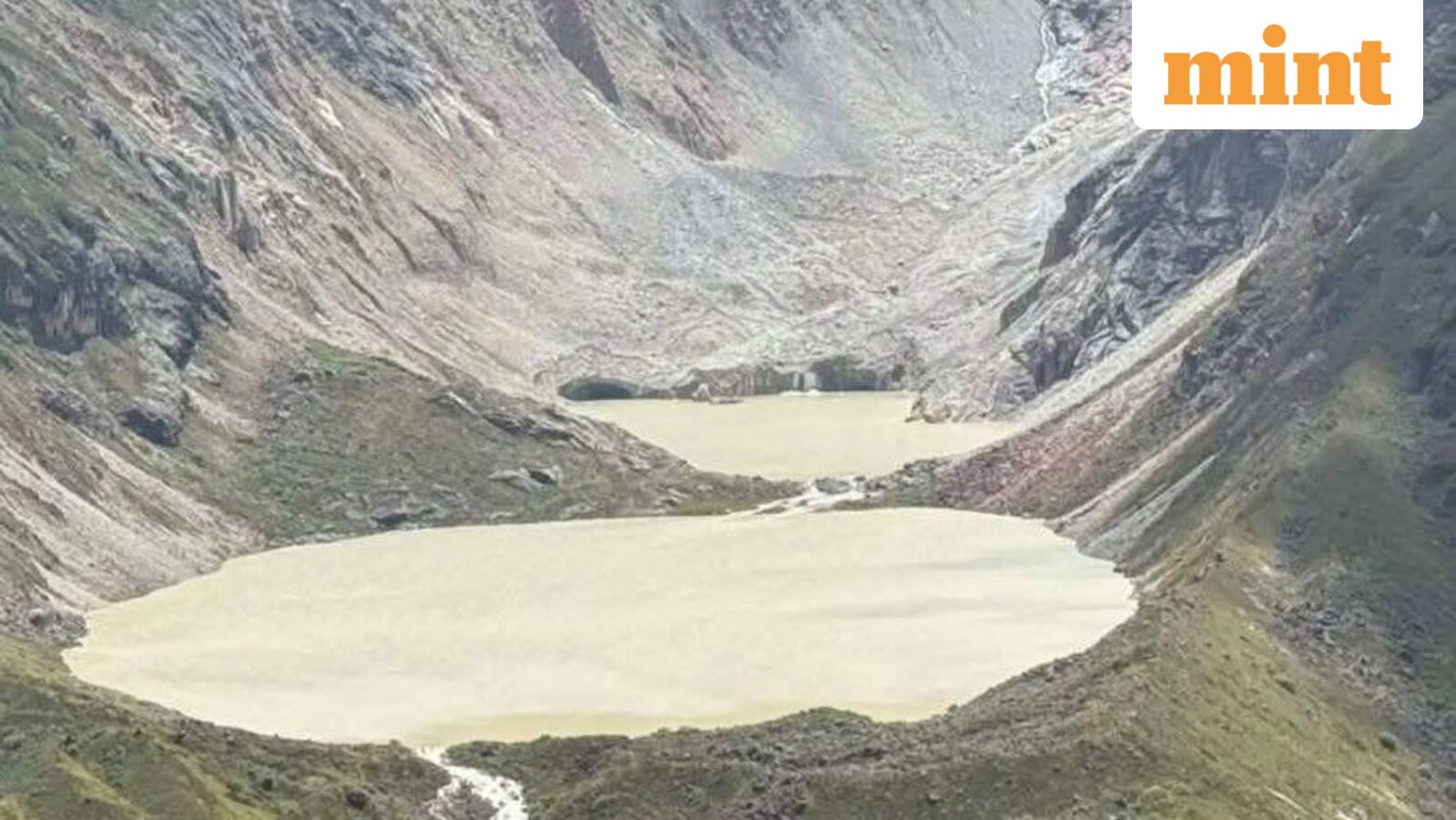
New coverage reports that the outburst damaged roads and washed away a bridge in Bhutan. The Hindu also says vulnerable revenue circles in Assam's Dhubri and Kokrajhar districts were put on high alert; Times of India India reports a new lake downstream and fears of secondary hazards.
Update 30 Oct 2026, 5:21 pm UTC
Reports now say the flooding in Bhutan caused no injuries, while flood fears in Assam and West Bengal eased. NDTV India reported vulnerable areas in Assam were safe, and The Times of India Kolkata reported the Sankosh was receding and Bengal had been spared the impact. Bhutan's Punakha Dzong has closed until further notice as a public safety measure, according to World News CNA.
How it started
A glacial lake outburst occurred at Shintaphu Lake in Bhutan on Thursday evening, October 29, according to Mint. The lake lies at the source of the Mo Chhu River in the high-altitude Gasa district.
The reported outburst prompted concern downstream in India. India Today reported that districts in Assam and West Bengal had been placed on flood alert.
How it unfolded
On October 29, Bengal forest minister Manoj Oraon warned residents near the Sankosh River following the lake outburst, Times of India reported. People in the Kumargram area were advised to remain alert.
Coverage that day also described a wider watch across low-lying districts of Assam and West Bengal. Times now reported that authorities were monitoring rivers carrying large volumes of water.
By October 30, Times of India Top Stories described north Bengal as being on red alert as the flood threat continued.
The response also included evacuation warnings. The Hindu reported on October 30 that West Bengal authorities had issued high-alert and evacuation warnings for residents along the Sankosh River.
Where it stands
The latest coverage places riverside communities in West Bengal under warning, with Assam also facing flood alerts. The most specific guidance reported concerns residents along the Sankosh River, according to The Hindu.
The supplied reports do not establish how many people have evacuated or provide confirmed figures for casualties or damage. They describe a flood threat and an active warning response, rather than a measured account of the downstream impact.
What to watch
The immediate questions are how river conditions develop and whether evacuation warnings lead to confirmed movements of residents. Times now reported river monitoring, while The Hindu reported evacuation warnings along the Sankosh. Further official updates are needed to establish the extent of flooding downstream.
More in Environment
All →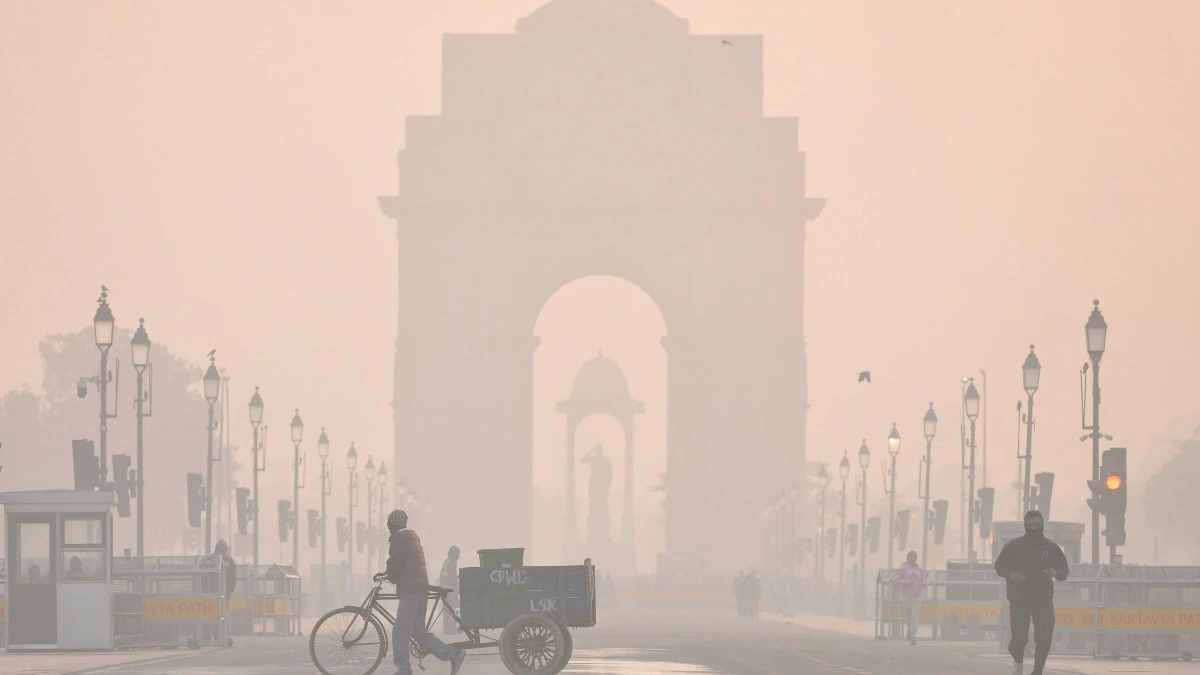
Delhi Begins Winter Vehicle Entry Ban as Wider Pollution Curbs Approach
Delhi's restrictions on older vehicles registered outside the capital begin November 1, with construction stoppages and reduced office attendance following as the region prepares for Diwali pollution.
10 sources · over 7 days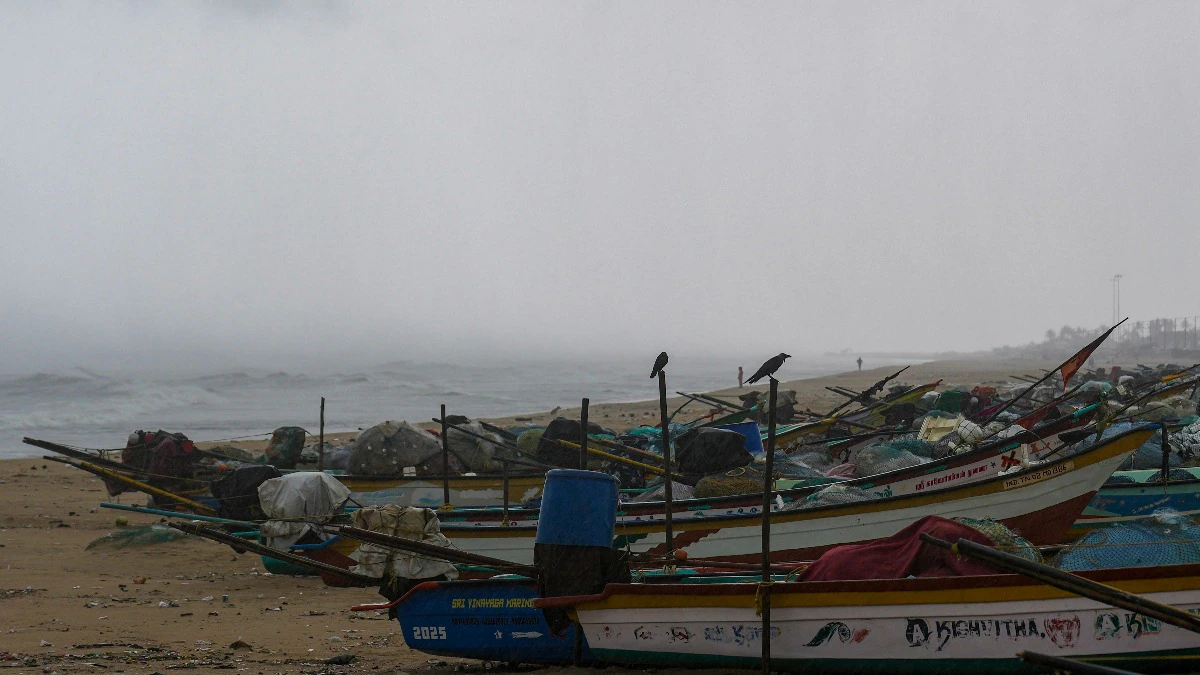
Cyclone Arnab Makes Landfall on Andhra Pradesh Coast
Cyclone Arnab made landfall with winds gusting up to 150 kmph, prompting evacuations and disruption across the region.
24 sources · over 8 days
Storm Austen and Storm Boelo leave deaths, outages and disruption
Two people have died and widespread power cuts persist after successive storms hit the UK, while Ireland has also faced outages, road closures and severe weather warnings.
15 sources · over 8 days