
Binance Details $6.3 Billion Hack as US Regulators Check Bank Systems
Binance says fake job interviews and an internal AI tool helped attackers steal billions, while US regulators are checking bank systems after the breach.
By Hushread Stories, from 112 outlets · First published 5 Nov 2026 · Chapter 4 of 4
Earlier: North Korea denies Binance hack as investigators trace $6.3 billion theft
In brief
- Binance says attackers stole roughly $6.3 billion in cryptocurrency after spending months preparing the breach.
- A fake job interview tricked an engineer into downloading malware that helped attackers compromise wallet infrastructure.
- The FBI has linked the breach to North Korea, while Binance describes a campaign targeting employees.
- Binance says $2.85 billion was frozen, but reports differ on how much it has replenished.
- US regulators have checked on bank systems following the hack, according to reporting published November 5.
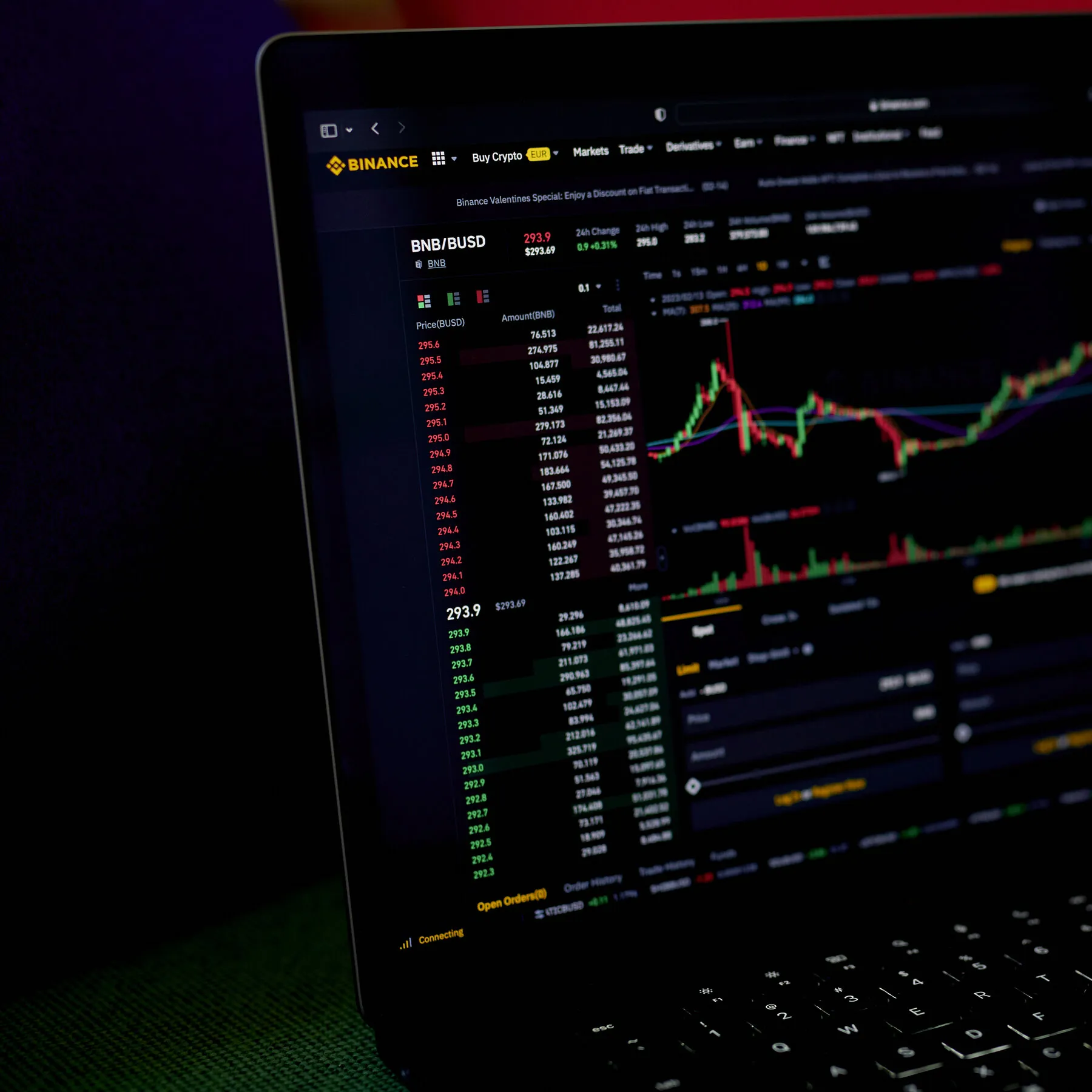
Timeline · 5 moments
US regulators check bank systems after Binance theft
Reuters ↗Report identifies FBI link to North Korea's TraderTraitor operation
Business Line - Home ↗Exchange says it has replenished 98% of affected assets
CNBC ↗Binance report describes months of preparation and fake interviews
NYT > Technology ↗Binance confirms theft of roughly $6.3 billion
Публикации по подписке ↗How it started
Binance's account of the roughly $6.3 billion theft begins with employees' computers, not a direct assault on its cryptocurrency wallets. The exchange says attackers spent months preparing the breach through fake recruitment approaches, malicious software and abuse of an internal AI tool, according to The New York Times.
In September, an engineer received what appeared to be a job opportunity. During the supposed interview process, the engineer downloaded malware onto a work computer, The Register reported. That deception ultimately helped attackers compromise Binance's wallet infrastructure, according to BleepingComputer.
How it unfolded
On October 29, Binance confirmed that hackers had stolen about $6.3 billion in digital assets, according to Публикации по подписке. The exchange later paused withdrawals for almost two days and said it would bear the financial cost, Japan Times reported.
On November 3, Binance published its account of the attack. The report described a campaign involving fake job interviews, an engineer's work computer and an internal AI tool, according to The New York Times. Reporting the following day, SecurityWeek said the company's initial investigation traced compromises across three engineers' computers.
The reported methods also included a malicious Homebrew download, according to Tom's Hardware. Binance said code downloaded during a purported interview contained malware that evaded its security tools, according to Technology.
The FBI attributed the attack to North Korea's TraderTraitor operation, Business Line reported on November 4. TechCrunch reported that researchers had warned for years about the persistent North Korean hacking tactics involved.
By November 5, the consequences had extended beyond the exchange. US regulators had checked in on bank systems following the hack, according to sources cited by Reuters. The supplied reporting does not establish that banks were breached.
Where it stands
Binance says roughly $2.85 billion of the stolen $6.34 billion has been frozen, preventing attackers from using it or converting it into another currency, according to The Hindu. Frozen assets are not necessarily funds already returned to the exchange.
Reports give different figures for Binance's financial response. CNBC reported on November 3 that Binance had replenished 98% of affected assets. Business Line reported the following day that the exchange had covered more than 100% of losses. The supplied coverage does not explain the different measures.
The theft total also varies slightly: The Hacker News gives $6.43 billion, while CNBC and The Hindu give $6.34 billion. Most headlines describe it as a roughly $6.3 billion theft.
What to watch
The immediate questions are how much of the frozen cryptocurrency can be recovered and how Binance will document its coverage of the losses. Its first incident report is preliminary, according to SecurityWeek, leaving further findings about the compromised computers and internal AI tool pending.
The scope and outcome of the US regulatory checks also remain unclear in the supplied coverage. Reuters reports that regulators checked on bank systems, but provides no findings in the material available here.
More in Technology
All →
Google Says Schools Can Keep Search With AI Overviews Enabled
Google is trying to walk back its school AI policy after backlash, while the planned controls still have no set rollout date.
41 sources · over 5 days
European refrigeration cyberattacks spread from supermarkets to French blood storage
Attacks on refrigeration controls have spoiled supermarket food and threatened French plasma stores, while a new US government warning extends concern to transportation and healthcare.
84 sources · over 8 days
Apple's M6 MacBook Pro arrives alongside a separate touchscreen redesign
The latest reviews describe two different MacBook Pro updates: a familiar M6 model and a lighter touchscreen machine, making the distinction important for buyers.
13 sources · today