
COP31 Opens in Türkiye With Electrification and Climate Targets Under Pressure
The talks begin as scientists warn of an imminent overshoot of 1.5°C, putting pressure on governments to accelerate clean energy and address how temperatures could be brought back down.
By Hushread Stories, from 25 outlets · First published 9 Nov 2026
In brief
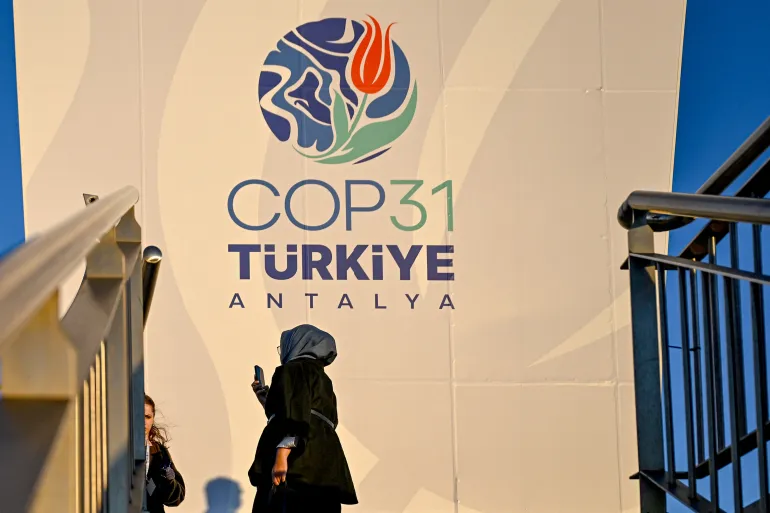
- COP31 opened in Antalya, Türkiye, on November 9, with representatives from nearly 200 countries expected to attend.
- Türkiye is hosting the summit, while Australia will lead negotiations between governments under an agreement reached last year.
- The presidency wants electricity to power more than a third of the global economy by 2035.
- Scientists warn that the world is nearing an overshoot of the 1.5°C target and call for commitments to carbon dioxide removal.
- Talks run until November 20, with climate finance, the energy transition and implementation of existing promises among the issues under discussion.
Timeline · 5 moments
Host Türkiye faces scrutiny over fossil fuel dependence
Deutsche Welle ↗Presidency targets electrification of over one third of economy
World News CNA ↗Scientists urge carbon removal commitments as overshoot approaches
Nature ↗COP31 opens in Antalya with clean energy challenge
Infobae ↗Conference preview identifies Murat Kurum as COP31 president
CNN Brasil ↗Update 9 Nov 2026, 6:39 pm UTC
COP31 has opened in Antalya, with coverage now emphasizing urgent action, implementation of existing promises and the pressure of extreme weather. António Guterres has called for action, while the summit's electricity focus and concerns about missing attention to fossil fuels are prominent in early reporting. NPR News reported frustration over the limited focus on fossil fuels, and The Globe and Mail said talks are focused on new targets and implementing prior promises.
How it started
COP31 opened on November 9 in Antalya, Türkiye, with the task of accelerating the shift to clean energy, according to Infobae. The UN climate summit brings governments together as rising temperatures and climate-driven disasters threaten lives and the global economy, South China Morning Post reported.
The conference has a divided leadership structure. Türkiye hosts the event, while Australia leads negotiations between governments under an agreement reached last year, according to CNN Brasil. In its November 7 preview, CNN Brasil identified Murat Kurum as this year's conference president.
How it unfolded
On November 8, CNN Brasil previewed the opening, reporting that dozens of world authorities would gather to discuss action against the climate crisis, with Australia heading the negotiations.
On November 9, Nature framed the opening around an imminent overshoot of the 1.5°C climate target. Scientists said governments must commit to carbon dioxide removal if temperatures are to be brought back down to safer limits.
The same day, World News CNA reported that Türkiye's COP31 presidency had put electrification at the centre of the summit. Its goal is to electrify more than a third of the global economy by 2035, compared with around a fifth today. The outlet described climate goals as facing pressure from war and artificial intelligence.
The host's own energy position also drew scrutiny. Deutsche Welle reported on November 9 that Türkiye remains heavily dependent on fossil fuels even as it seeks to encourage a global transition to clean energy.
As the talks began, summit leaders urged the world to accelerate its response to global warming, according to South China Morning Post. Opening-day coverage from Euronews also highlighted a pledge not to lower ambition.
Where it stands
The conference is at its opening stage, with electrification a presidency priority rather than a reported agreement. Perfil.com said representatives from nearly 200 countries would attend talks running until November 20, with financing and the energy transition among the issues on the agenda.
The United States will not send an official delegation, according to Perfil.com. That absence comes as Al Jazeera identified the US as the largest historical emitter of carbon dioxide and China as the largest current emitter.
What to watch
The next test is whether governments turn the presidency's electrification goal into negotiated commitments. Australia will lead those negotiations, according to CNN Brasil, while the financing and energy transition discussions identified by Perfil.com remain pending.
Carbon dioxide removal is another issue to follow. The scientists cited by Nature say government commitments are needed to bring temperatures back to safer limits after overshoot. The opening coverage does not establish whether those commitments will emerge from this summit.
More in Environment
All →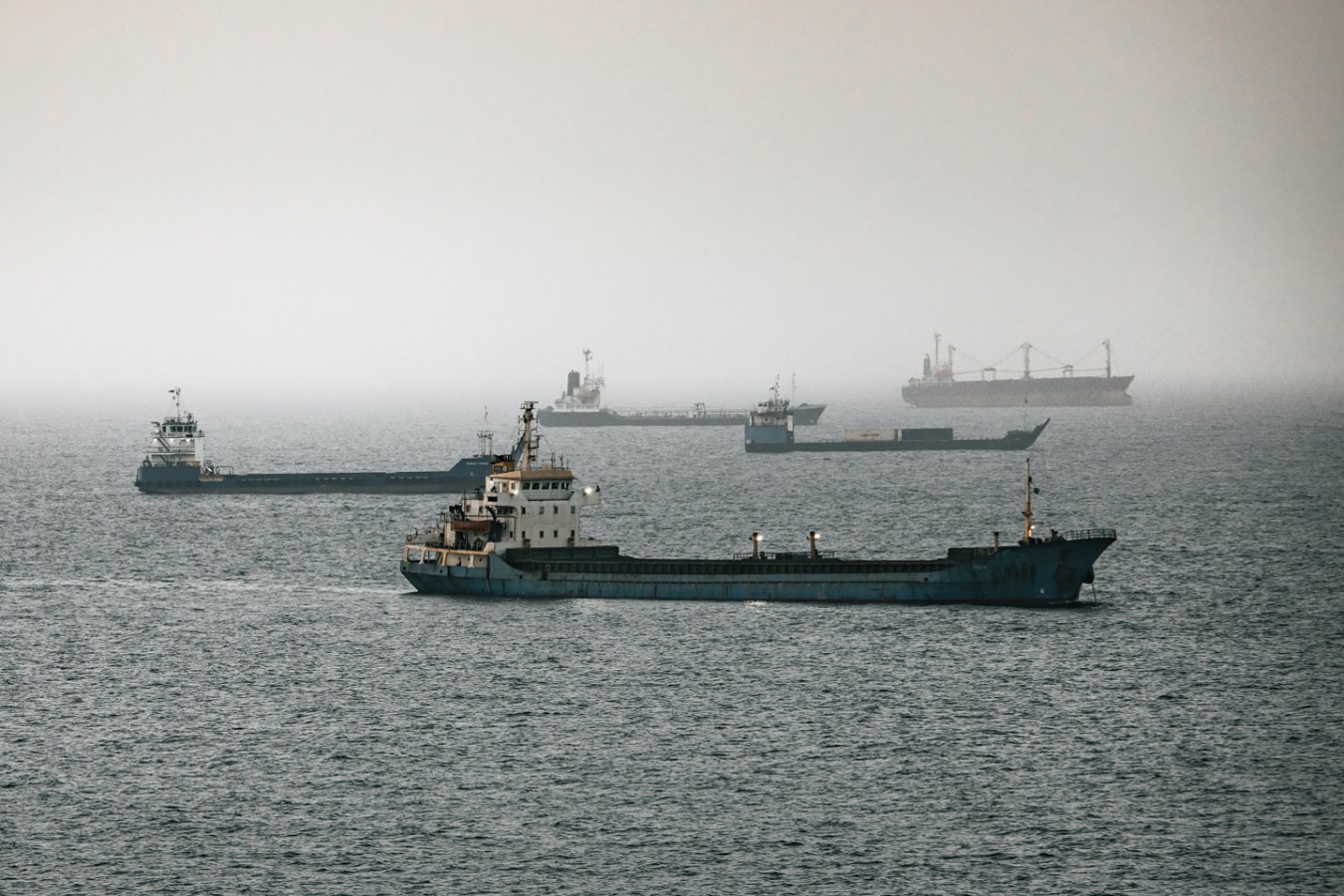
Iran War Energy Shock Helps Drive Projected Fossil Emissions Fall
Global fossil fuel emissions are projected to fall 0.4% in 2026, but researchers warn that a decline partly driven by war does not establish lasting climate progress.
17 sources · today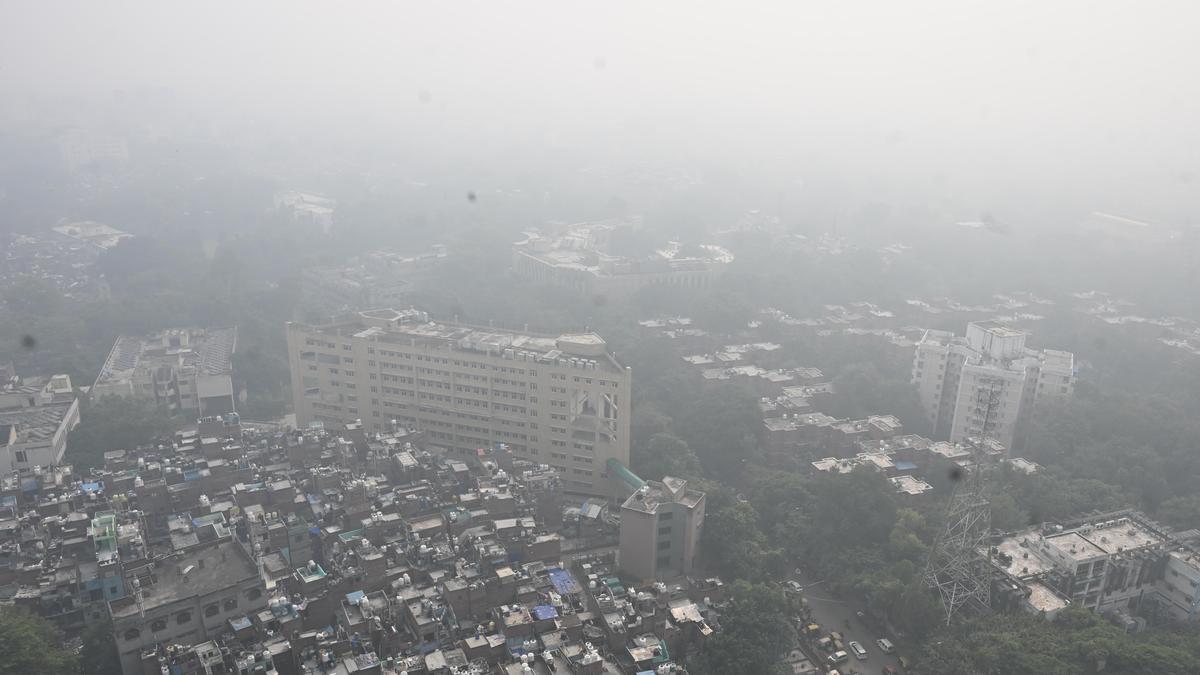
Delhi Records Its Most Polluted Diwali in Five Years as Smog Blankets Capital
Delhi's average AQI reached 376 on Diwali, and some monitoring stations reported no data during peak pollution.
23 sources · over 7 days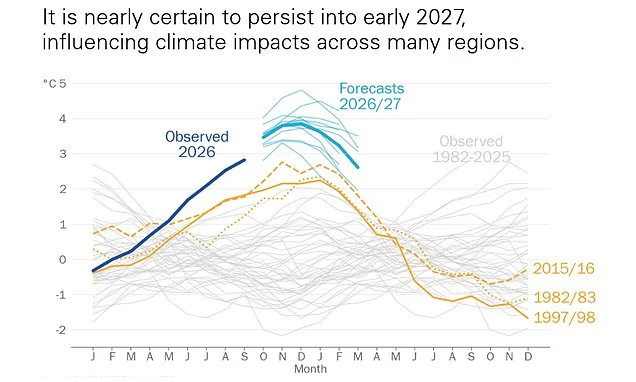
Super El Niño Pushes 2026 Towards Record Heat as COP31 Opens
A warming planet and an intensifying El Niño are combining as COP31 begins, with warnings of more extreme weather, food shortages and disease outbreaks.
8 sources · over 2 days