
Iran War Energy Shock Helps Drive Projected Fossil Emissions Fall
Global fossil fuel emissions are projected to fall 0.4% in 2026, but researchers warn that a decline partly driven by war does not establish lasting climate progress.
By Hushread Stories, from 17 outlets · First published 10 Nov 2026
In brief
- Global Carbon Project research projects a 0.4% decrease in carbon dioxide emissions from fossil fuels during 2026.
- The Iran conflict raised energy prices, helping drive the projected decline alongside expanding solar and wind power.
- The expected annual fall would be the first since 2020, when the pandemic disrupted economies and transport.
- Coverage distinguishes falling fossil fuel emissions from overall carbon dioxide emissions, which are still expected to rise.
- Researchers warn the decline could prove temporary, with a comprehensive assessment due to be presented at Cop31.
Timeline · 4 moments
Overall carbon dioxide emissions still expected to rise
DIE ZEIT | Nachrichten, News, Hintergründe und Debatten ↗Expected decline would be first since pandemic year
Japan Times ↗Research projects 0.4% fall in fossil fuel emissions
Phys.org ↗Hormuz blockade linked to spike in oil prices
New Scientist ↗How it started
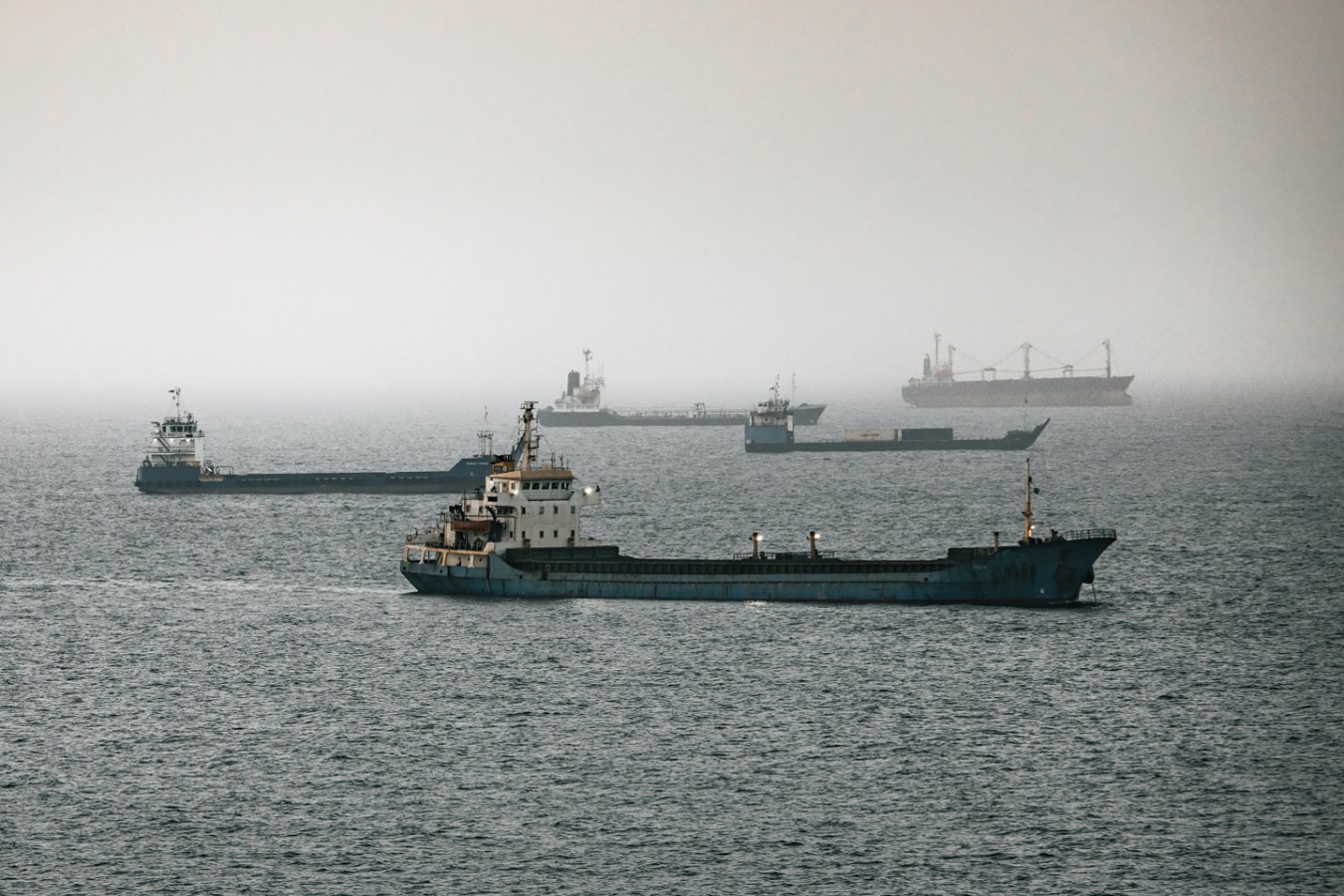
The projected emissions decline has two drivers: expanding renewable power and an energy shock linked to the Iran war. According to New Scientist, a blockade of the Strait of Hormuz sent oil prices higher.
Those price increases form part of the explanation for lower fossil fuel emissions. Live Science reported that the projected fall also reflects the expansion of solar and wind power capacity.
How it unfolded
On November 10, Phys.org reported new Global Carbon Project research projecting a 0.4% decrease in global fossil fuel carbon dioxide emissions in 2026. The research attributed the decline to clean energy growth and the Iran conflict.
The same day's coverage put that change in historical context. According to Japan Times, it would be the first annual fall since 2020, when the COVID-19 pandemic paralyzed the global economy, trade and transport.
Reporting differed in emphasis. The Hindu highlighted scientists' assessment that the Iran war, rather than energy progress, explained the drop, while Phys.org identified both renewable power expansion and the conflict as drivers.
A separate distinction emerged in coverage of the overall carbon balance. DIE ZEIT reported that total carbon dioxide emissions were still expected to rise despite the projected decline in emissions from fossil fuels.
Where it stands
The central finding is a projected, slight decline in emissions from burning fossil fuels, not a demonstrated lasting reversal. Although some headlines describe emissions as already having fallen, Phys.org and Live Science present the 2026 figure as a projection.
The reason for the fall matters to its durability. Euronews reported experts' warning that a reduction partly driven by conflict and trade disruptions is not sustainable over the long term. ARD Tagesschau likewise reported warnings that the effect could be temporary.
What to watch
A comprehensive assessment is due to be presented at Cop31, according to Top Stories, which reported that its authors consider talk of a global turnaround premature.
The unresolved question is whether renewable energy growth can sustain a decline beyond the disruption caused by the war. The other essential measure is total carbon dioxide output: DIE ZEIT reported that it is still rising, even as fossil fuel emissions are projected to fall.
More in Environment
All →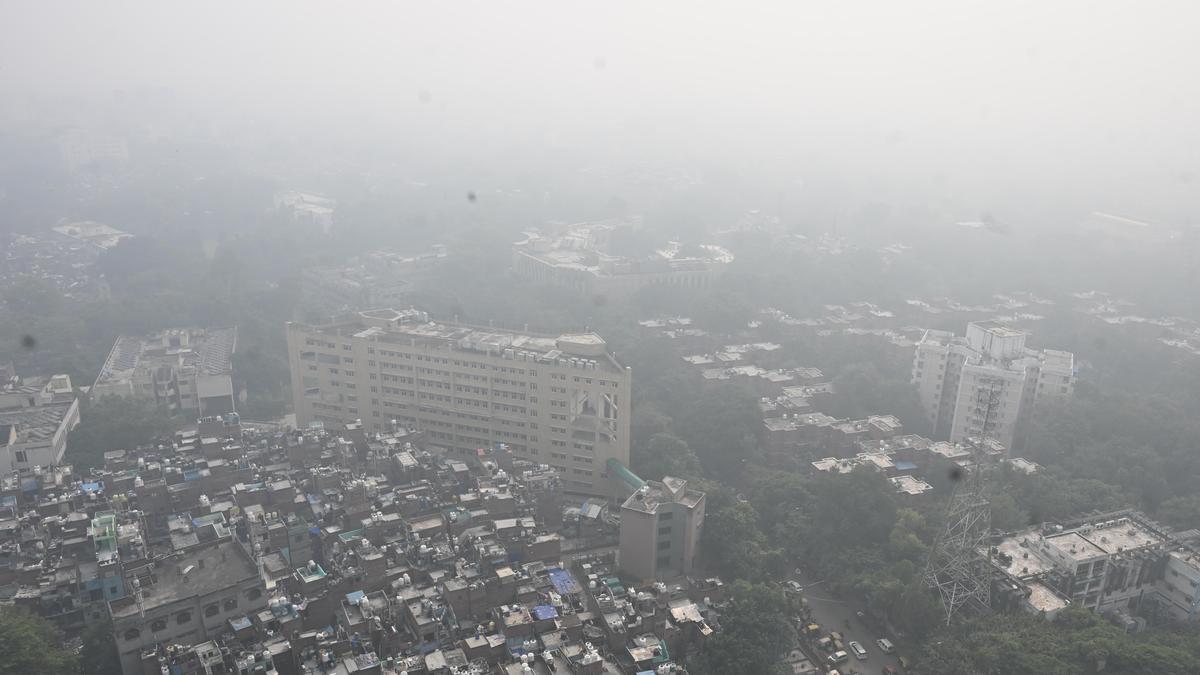
Delhi Records Its Most Polluted Diwali in Five Years as Smog Blankets Capital
Delhi's average AQI reached 376 on Diwali, and some monitoring stations reported no data during peak pollution.
23 sources · over 7 days
COP31 Opens in Türkiye With Electrification and Climate Targets Under Pressure
The talks begin as scientists warn of an imminent overshoot of 1.5°C, putting pressure on governments to accelerate clean energy and address how temperatures could be brought back down.
25 sources · over 3 days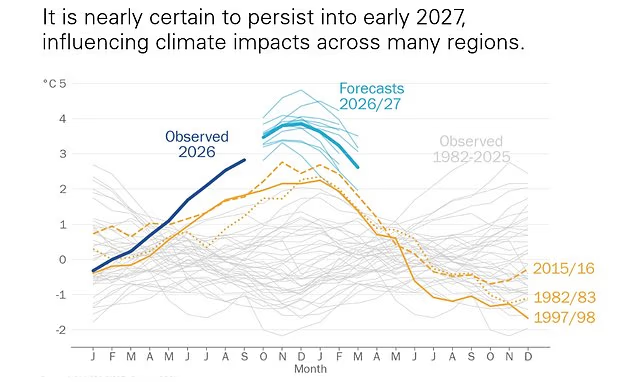
Super El Niño Pushes 2026 Towards Record Heat as COP31 Opens
A warming planet and an intensifying El Niño are combining as COP31 begins, with warnings of more extreme weather, food shortages and disease outbreaks.
8 sources · over 2 days