
Delhi Tightens Pollution Curbs as Severe Air Spreads Ahead of Diwali
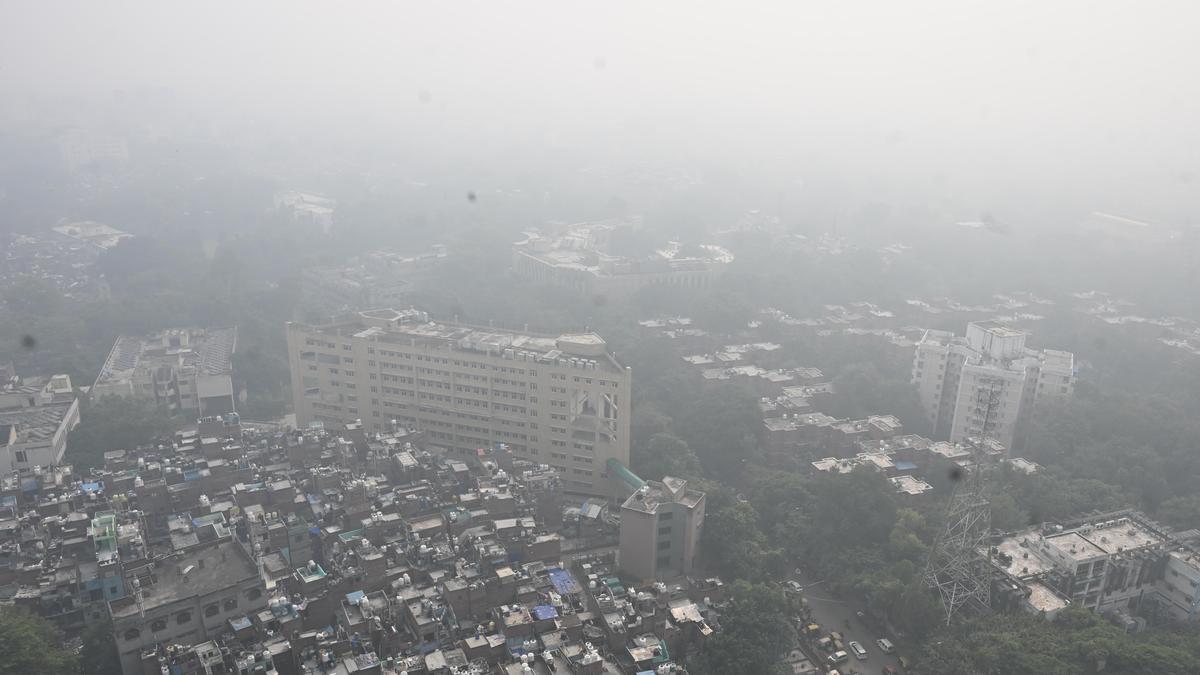
Authorities have imposed stricter restrictions across Delhi and the surrounding region as severe pollution spreads through neighbourhoods, with forecasts warning of worse air over the Diwali weekend.
By Hushread Stories, from 18 outlets · First published 6 Nov 2026
In brief
- Stage III restrictions under the Graded Response Action Plan were imposed across Delhi and the National Capital Region on November 6.
- Saturday reports described AQI above 400 in several areas, while one put Delhi's citywide reading at 366.
- IIT Delhi recorded an AQI of 442 in a Saturday report, as more than 20 stations were reported in the severe zone.
- Earlier measures included dust control, water sprinkling and police checks, but pollution continued worsening through the week.
- Forecasts warned of severe pollution over the Diwali weekend, with fireworks expected to add to existing emissions.
Timeline · 9 moments
CAQM invokes Stage III curbs ahead of Diwali
Hindustan Times ↗Reports show toxic smog and severe readings across Delhi
Times now ↗Forecast warns of severe air over Diwali weekend
Indian Express ↗Authorities impose Stage III restrictions across entire NCR
NDTV India ↗Rohini reaches 474 as severe pollution spreads
Mint ↗Ten monitoring stations record severe pollution across Delhi
Indian Express ↗Delhi's average AQI reaches 379 on Wednesday morning
The Hindu ↗Sirsa accuses Punjab government over stubble burning
Times now ↗Stage II curbs bring dust controls and police checks
Business Line - Home ↗Update 7 Nov 2026, 2:19 am UTC
Saturday coverage shows Delhi's AQI above 400 in several areas, while another report put the citywide reading at 366 and said more than 20 stations were in the severe zone. Times Now reported IIT Delhi at 442. The Hindustan Times reported that CAQM invoked Stage III GRAP curbs ahead of Diwali.
Update 6 Nov 2026, 6:26 pm UTC
The update adds confirmation that Stage III GRAP restrictions were imposed across Delhi and the National Capital Region on November 6 as a precaution. New coverage also describes hazardous readings at some monitoring stations, while the earlier report of a citywide average below 400 remains distinct from those station readings.
How it started
Delhi's latest pollution episode intensified in the days before Diwali. NDTV India reported that the city's AQI rose from 261 on November 1 to 324 on November 2.
The seasonal conditions compound emissions. CNA reported that cold, dense air traps pollution across parts of South Asia at this time of year. Delhi's worsening air has also brought renewed scrutiny of farm fires and local sources.
How it unfolded
On November 3, Business Line reported an AQI of 451 and Stage II restrictions across the National Capital Region, including police checks, dust control and water sprinkling. Mint, however, reported a Delhiwide reading of 331 that day, with Jahangirpuri at 449 and Rohini at 429. The coverage gives different city readings, without enough detail to reconcile them.
The political dispute sharpened the same day. Delhi Environment Minister Manjinder Singh Sirsa accused the Aam Aadmi Party government in Punjab of deliberately burning stubble to worsen Delhi's pollution, according to Times Now. That was an accusation, not an established explanation in the supplied coverage.
By November 4, The Hindu reported a 24-hour average AQI of 379 at 9 a.m., citing Central Pollution Control Board data. Local readings were worse: NDTV reported Punjabi Bagh at 458, in the severe category.
On November 5, The Indian Express reported a Delhiwide AQI of 370, with 10 monitoring stations recording severe pollution. Other reports carried substantially higher figures: Times Now reported 482, while India Today reported a reading above 500. Those reports do not establish a directly comparable measurement across the city.
On November 6, authorities escalated their response. NDTV India reported that the Commission for Air Quality Management imposed Stage III restrictions across the entire National Capital Region with immediate effect, as a precaution after Delhi's average AQI reached 382.
Where it stands
The latest coverage shows a citywide average approaching severe levels, with many neighbourhoods already there. Mint reported an AQI of 391 on Friday, with Rohini at 474 and 31 stations recording severe air. Business Line counted 30 of 59 stations in the severe category at 9 a.m. These are separate reported snapshots, not a single consistent tally.
The Hindu identified IIT Delhi, ITO, Dwarka, Rohini, Punjabi Bagh, Alipur, Bawana and Jahangirpuri among the areas facing severe pollution. The health consequences extend beyond vulnerable groups: The Hindu, citing the Central Pollution Control Board, reported that severe pollution affects healthy people and seriously impacts those with existing diseases.
The emergency response now sits alongside a broader four-month winter action plan announced by the Delhi government. Experts cited by the BBC said that plan would not be enough.
What to watch
The immediate test is whether Stage III restrictions can contain pollution over the festival weekend. The Indian Express reported that Delhi's air was forecast to become severe over the Diwali weekend, while CNA warned that fireworks were expected to add to existing pollution.
The contribution of different sources remains central to the response. Mint reported that the Supreme Court flagged vehicular emissions and heavy traffic as major contributors. Whether the stricter measures bring down both the citywide average and the worst neighbourhood readings is the next concrete measure of progress.
More in Environment
All →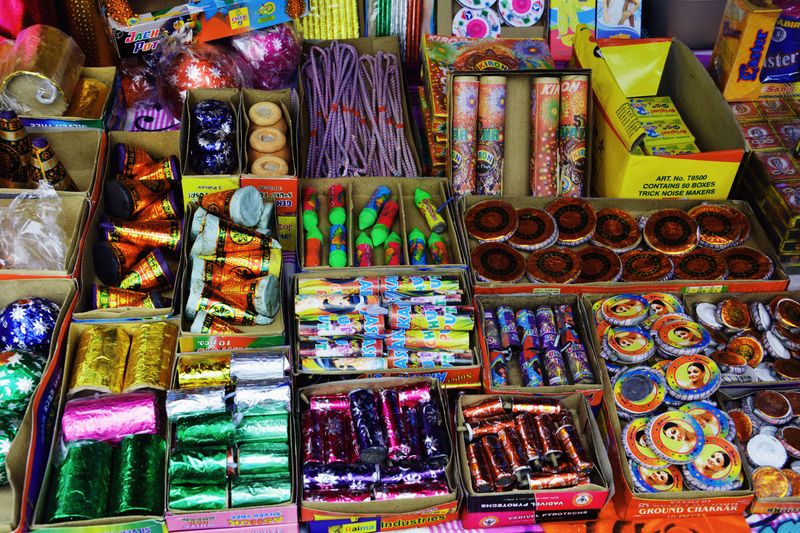
Supreme Court Allows Limited Diwali Crackers After Haryana Announces NCR Ban
Haryana announced a complete firecracker ban in its NCR districts, but a subsequent Supreme Court ruling permits certified green crackers across Delhi-NCR during fixed hours on November 7 and 8.
11 sources · over 8 days
Cyclone Murasu Hits Andhra Pradesh, Leaving Flooded Roads and Damaged Crops
Two deaths were reported after Murasu struck Andhra Pradesh, while damaged crops, disrupted electricity and continuing rain warnings extend the storm's impact beyond its November 3 landfall.
16 sources · over 7 days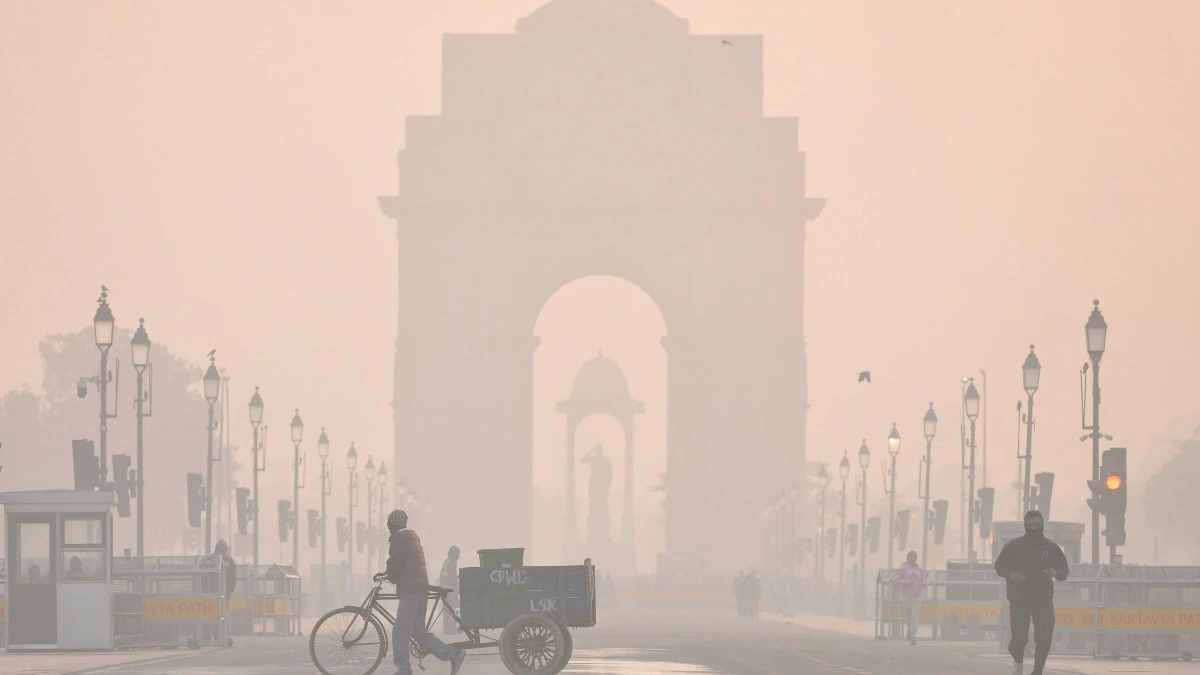
Delhi Turns Back 1,539 Vehicles on First Day of Entry Ban
Delhi imposed Rs 68 lakh in fines as it enforced the pollution curbs on November 1.
13 sources · over 8 days