
France's School Protests Broaden Into Nationwide Strikes Over Wages and Services
Students and workers joined nationwide demonstrations on November 5, bringing education demands together with anger over living costs as the government faced continuing pressure and scattered clashes.
By Hushread Stories, from 59 outlets · First published 5 Nov 2026 · Chapter 5 of 5
Earlier: France Sees Nationwide Strike After Student Protests and Halloween Clashes
In brief
- School blockades resumed after the autumn holidays despite government concessions on admissions, teacher numbers and class sizes.
- Unions called workers across education, railways, hospitals and postal services to strike over wages and public services.
- Unions reported more than 250,000 demonstrators across 73 cities by early afternoon, with no final nationwide total available.
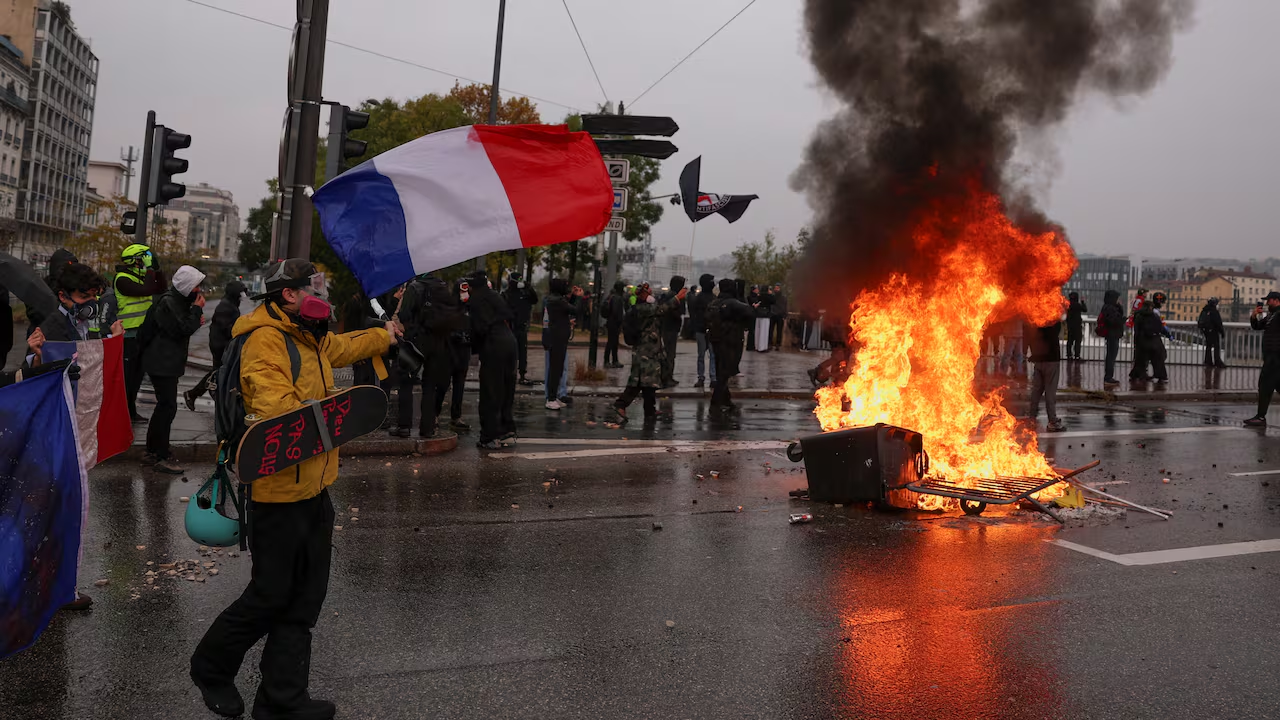
- Thursday's marches were largely peaceful, although protesters and police clashed in Paris and Lyon during the nationwide mobilisation.
- The government faces continuing demands over education and living costs while parliamentary talks on next year's budget remain deadlocked.
Timeline · 6 moments
Nationwide marches largely peaceful despite scattered police clashes
CBC News ↗Police use tear gas during clashes in Lyon
Euronews ↗Unions report 250,000 protesters across 73 cities
RTBF ↗Unions bring workers into nationwide strike over wages
Deutsche Welle ↗Students blockade dozens of schools and universities
The Local ↗School blockades resume after holidays on smaller scale
South China Morning Post ↗How it started
The school protests began in September at Saint Exupéry high school in Créteil, according to Infobae. By early November, the movement had become part of a wider challenge over education, public services and household finances.
The government offered concessions during the week of October 26, but several student and school pupil organisations called for protests to continue, Le Monde reported. The measures included changes to university admissions, more teachers and limits on class sizes, according to Euronews.
The mobilisation extended beyond classrooms. Euronews reported that school protests had helped fuel a nationwide movement against rising prices and inadequate public services, drawing hundreds of thousands onto the streets over three successive weekends.
How it unfolded
On November 2, pupils returned from a two-week holiday and renewed blockades, though on a much smaller scale than before the break. Young people tried to block schools in Paris, Marseille and Rennes, according to the South China Morning Post. Saint Exupéry was blocked again, Infobae reported.
On November 3, students blockaded dozens of high schools and universities after rejecting the proposed education reforms. Turnout remained below previous blockade days, according to The Local. Teachers joined some protests, DER SPIEGEL reported.
By November 5, the focus had widened to a nationwide strike. Unions representing education, rail employees, public hospitals and postal services called workers out, according to Deutsche Welle. Youth movements had asked workers to join them, Le Monde reported, although the general strike had been announced in late September independently of the student protests, according to ABC.
Authorities prepared for a large turnout and deployed about 70,000 police and security officers nationwide, Deutsche Welle reported. Advance protest counts varied: ABCNews.com cited Interior Minister Laurent Nunez saying 220 demonstrations were expected, while Franceinfo reported more than 250 planned actions.
By 1 p.m. on November 5, unions reported more than 250,000 demonstrators in 73 cities, according to RTBF. In Lyon, police charged demonstrators and used tear gas as clashes broke out along the route, Euronews reported.
Where it stands
The November 5 marches were largely peaceful, despite clashes in Paris and Lyon, according to CBC News. The demonstrations and a one-day strike by some public sector workers brought education demands together with calls for higher wages and relief from rising living costs.
The turnout figures remain provisional in the supplied coverage. Authorities had expected between 500,000 and 700,000 protesters nationwide, according to World News CNA, but that forecast is not a confirmed attendance total.
The government is also facing a budget impasse. Bloomberg reported that parliamentary talks over next year's budget remained deadlocked as the strikes and demonstrations approached.
What to watch
The immediate issue is whether the government offers further concrete responses on wages and public services. Franceinfo reported that unions called employees and civil servants to strike for pay, while urging young people and pensioners to join the marches.
Another test is whether the student and labour movements sustain their joint pressure. Le Monde described November 5 as an effort to bring school pupils, university students, employee unions and yellow vest protesters together. The earlier education concessions had not ended the school blockades.
More in Politics
All →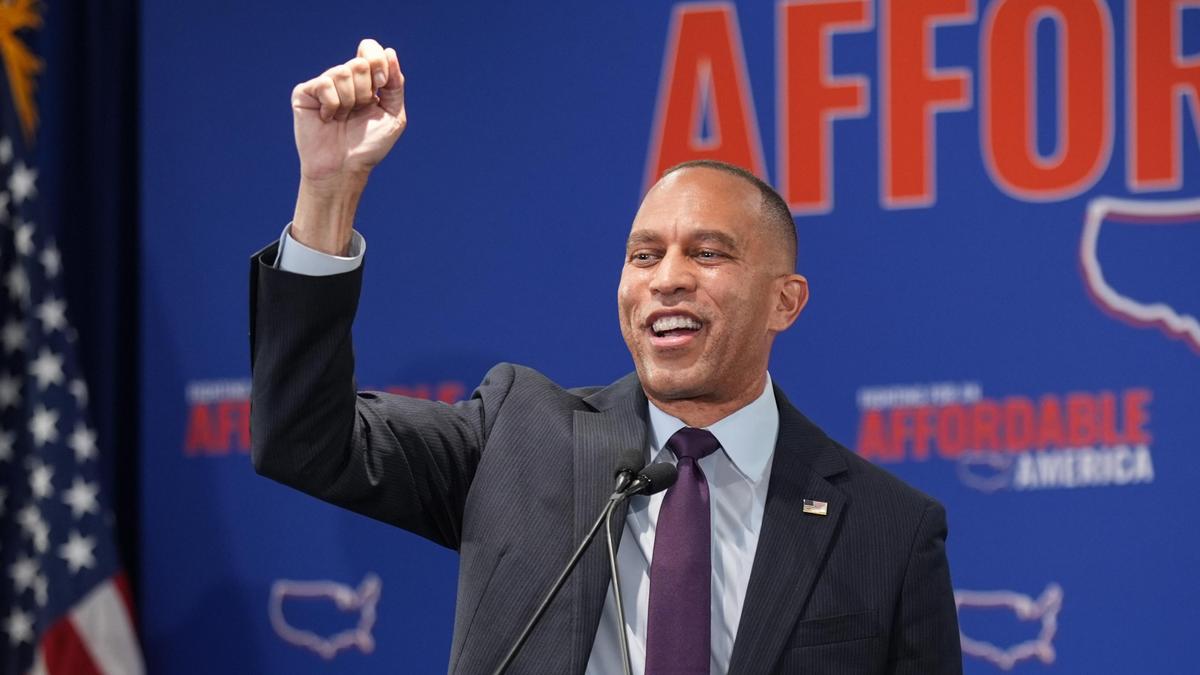
Democrats Win House Control, Positioning Hakeem Jeffries for Historic Speakership
The Democratic majority puts Jeffries in line to become the first Black House speaker, with investigations and a January transfer of control now on the horizon.
22 sources · over 3 days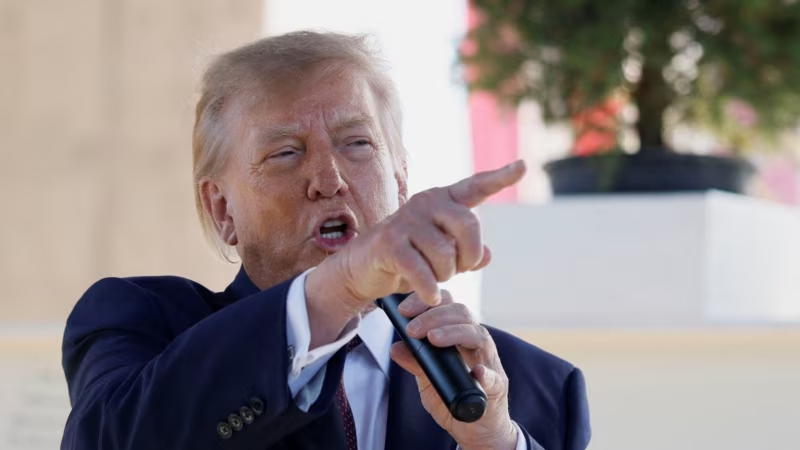
Trump defends Iran war after acknowledging Republican losses in midterm elections
President Donald Trump has acknowledged the Iran war hurt Republicans at the polls, but his defense of military action leaves negotiations and possible further strikes unresolved.
9 sources · over 4 days
UK agrees to slavery apology talks but rules out reparations
Andy Burnham has committed Britain to talks on the slave trade's historical harms, opening a path towards a formal apology while maintaining his refusal to pay reparations.
29 sources · over 6 days