
Houthis Strike Riyadh's PIF Tower as Saudi-Led Coalition Hits Yemen
A missile attack on the Saudi wealth fund's headquarters has pushed a long cross-border conflict into open escalation, with both sides now threatening ports, airspace and power infrastructure.
By Hushread Stories, from 39 outlets · First published 22 Nov 2026 · Chapter 4 of 4
Earlier: Houthi Missiles Hit Riyadh Tower as Saudi Coalition Strikes Yemen Ports
In brief
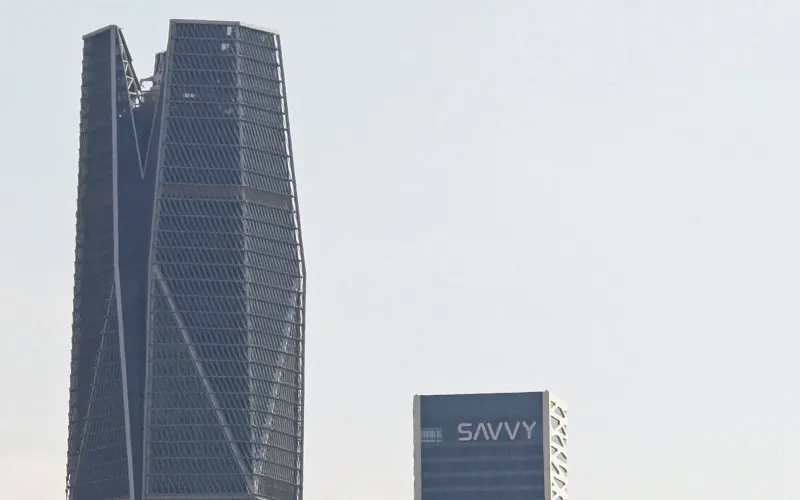
- A Houthi missile or its debris damaged several floors of the PIF Tower in Riyadh on 19 November, with no casualties reported.
- Saudi Arabia says it reserves the right to take all necessary measures, and coalition airstrikes have hit Sanaa, Saada, Taiz and Hodeidah.
- Tasnim reported at least eleven civilians killed and 36 injured in Saudi strikes across Yemen over a 24-hour period.
- The Houthis have named Jeddah Port, the Al-Shuqaiq power plant and Riyadh's financial district as targets and warned airlines away from Saudi airspace.
- Saudi air defences kept intercepting missiles and drones through 22 November, while the Houthis claimed an attack on the Rabigh refinery that Saudi authorities had not confirmed.
Timeline · 10 moments
Houthis claim attack on Rabigh oil refinery
Middle East Eye ↗Saudi strikes hit Al-Mokha port in Taiz
Press TV (English) ↗Coalition intercepts three missiles aimed at Riyadh
World News ↗Houthis claim attacks on Al-Shuqaiq plant and Jizan port
Middle East Eye ↗Houthis warn airlines off Saudi airspace as Hodeidah is hit
Top World News- News18.com ↗Coalition and Houthis trade threats over key ports
Al Jazeera ↗Saudi Arabia says it reserves right to respond
dawn.com ↗Saudi Arabia calls tower strike a terrorist attack
ZeroHedge News ↗Saudi strikes across Yemen reportedly kill at least 11 civilians
Tasnim News (English) ↗Houthi missile damages PIF Tower in Riyadh
New York Times - Middle East ↗Update 22 Nov 2026, 11:58 pm UTC
The fighting has widened since the last write. Reuters reported that the Houthis claimed an operation against the Rabigh refinery on the Red Sea coast, and Gulf News reported that the Saudi-led coalition said it intercepted a ballistic missile aimed at the western region. The headline and key points still stand on the PIF Tower strike and the coalition airstrikes, but the picture is now one of continuing exchanges across the kingdom rather than a single escalation.
How it started
The Houthis, the Iran-backed group that controls much of northern Yemen, have been in a long war with the Saudi-led coalition. Saudi Arabia had been dealing with a surge in cross-border attacks for months, according to Dawn.
The immediate backdrop was battlefield movement inside Yemen. Tehran Times said the Yemeni Armed Forces were making advances against Saudi-backed forces, and the attack on the Saudi capital came as those advances continued.
The story summary for this thread also notes that Saudi Arabia removed the coalition commander in mid-November after reports of setbacks against Houthi forces in the south. The coverage provided here does not detail that dismissal, so it is mentioned only as context.
How it unfolded
On Thursday 19 November, a Houthi missile attack hit Riyadh's tallest building. The New York Times reported that windows were blown out of the skyscraper, which houses the Public Investment Fund, the Saudi sovereign wealth fund. Gulf News said Saudi Civil Defense reported damage to several floors and neighbouring properties but no casualties.
There is a difference in how the hit is described. BigGo Finance reported that the coalition intercepted the missile and that debris struck the tower, while other outlets such as Sky News simply said the building was struck. Saudi Arabia called it a terrorist attack, and Middle East Eye reported that the Houthi military spokesman confirmed the group had targeted the financial centre.
The response came quickly. Tasnim, an Iranian outlet, reported at least eleven civilians killed and 36 injured in Saudi airstrikes across Yemen over 24 hours. Dawn reported that Saudi Arabia said it reserved the right to take all necessary measures, and that Crown Prince Mohammed bin Salman met the Centcom chief.
On 20 November the threats turned to ports. Al Jazeera reported that the coalition and the Houthis exchanged threats to bomb key ports, and News18 said the coalition claimed it destroyed Houthi capabilities at Hodeidah port while the Houthis warned airlines to stay out of Saudi airspace and shipping companies to leave Saudi Red Sea ports. Mehr carried a Houthi warning that Jeddah Port and other Saudi Red Sea ports would be targeted if Hodeidah were bombed.
The Houthis then said they had hit targets. Middle East Eye reported claims of attacks on the Al-Shuqaiq power station and the port of Jizan. Arab News said Saudi air defences shot down five drones and three ballistic missiles on Friday.
On Saturday 21 November, Reuters reported the coalition intercepted three ballistic missiles fired toward Riyadh, the second Houthi attack on the capital in this stretch. Al Jazeera said emergency alerts sounded in Riyadh for a third night in a row. Press TV reported Saudi airstrikes on the Al-Mokha port in Taiz and civilian casualties, a claim that comes from an Iranian state outlet and is not independently confirmed in the other coverage.
Where it stands
As of 22 November the exchange of fire continues. Middle East Eye reported that the Houthis said they attacked the Rabigh oil refinery on the Red Sea coast north of Jeddah, and noted that Saudi authorities did not immediately comment. Al Jazeera reported that Saudi air defences downed a drone and a missile while Houthi media said several people were injured in an attack on an oil company in Sanaa.
The targets have shifted toward the kingdom's economic core. Mint argued that attacks on Aramco and the PIF headquarters raise concerns about the security of Saudi economic centres. Arab News carried the Yemeni government army's claim of 715 operations against Houthi forces in a single day, which it said killed or wounded 144 commanders and fighters. That figure is the army's own and was not verified elsewhere.
What to watch
The main question is whether either side follows through on the port threats. The Houthis have named Jeddah and other Red Sea ports, and IRNA reported they also list the King Abdullah Financial District and the Al-Shuqaiq plant as legitimate targets.
The other open point is the Saudi response. Riyadh has promised to take all necessary measures, and the strikes on Hodeidah and Mokha suggest the coalition is willing to hit coastal infrastructure. Civilian casualty figures from both sides remain hard to confirm.
More in World
All →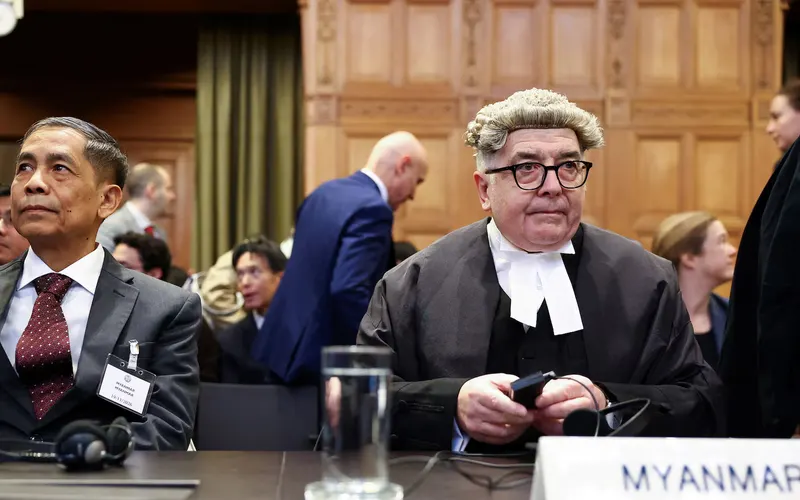
World Court Rules Myanmar Committed Genocide Against Rohingya in Landmark Gambia Case
For the first time in its history, the International Court of Justice has found a state responsible for genocide, with consequences for Rohingya refugees and for other cases before the court.
62 sources · over 5 days
Ministry of Justice investigates Russell Brand's 'not guilty' message shared from prison by his wife
Downing Street has called the jailed comedian's message appalling, and an urgent inquiry will decide whether he broke prison rules by getting his denial published through his wife.
34 sources · over 7 days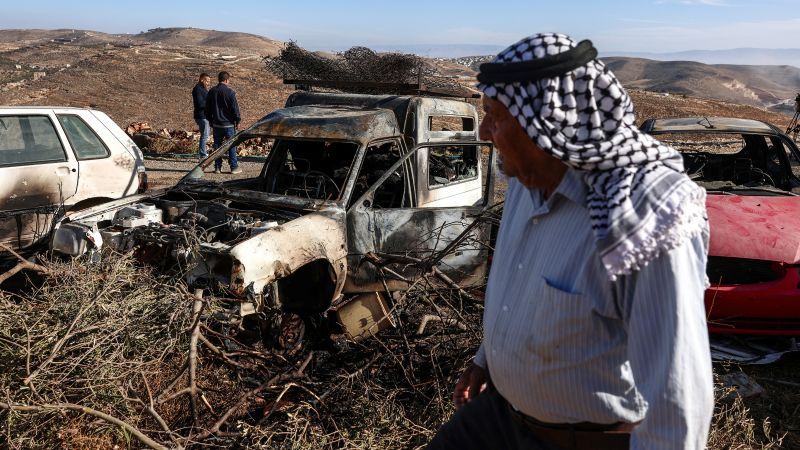
Settler arson attacks hit West Bank villages as Eisenkot blames far-right ministers
A night of torched cars and vandalised homes in Palestinian villages has pushed settler violence into Israel's election-season politics, with the opposition leader calling it "Jewish terrorism" and police opening an investigation.
15 sources · today