
Iran and Russia Hold Moscow Talks as Regional Powers Pursue De-escalation
President Masoud Pezeshkian's Moscow visit coincided with regional security talks in Tehran, linking Iran's push for energy cooperation with efforts to prevent renewed fighting.
By Hushread Stories, from 36 outlets · First published 28 Oct 2026 · Chapter 3 of 3
Earlier: Iran and Mecca Pact States Agree to Continue Regional Security Talks
In brief
- President Masoud Pezeshkian visited Moscow for the Gas Exporting Countries Forum summit and met Vladimir Putin.
- Senior Saudi, Pakistani and Turkish officials met Iranian authorities in Tehran on October 26 to discuss regional security.
- The four countries agreed to continue dialogue, but the Tehran meeting produced no major announcement.
- Iran promoted closer energy cooperation with Russia while blaming US sanctions for threats to energy market stability.
- Pezeshkian described his Russia visit as constructive, while regional diplomacy remains focused on continued security talks.
Timeline · 6 moments
Araghchi presents Tehran meeting as opening for security dialogue
IRNA English ↗Pezeshkian describes Russia visit as constructive and fruitful
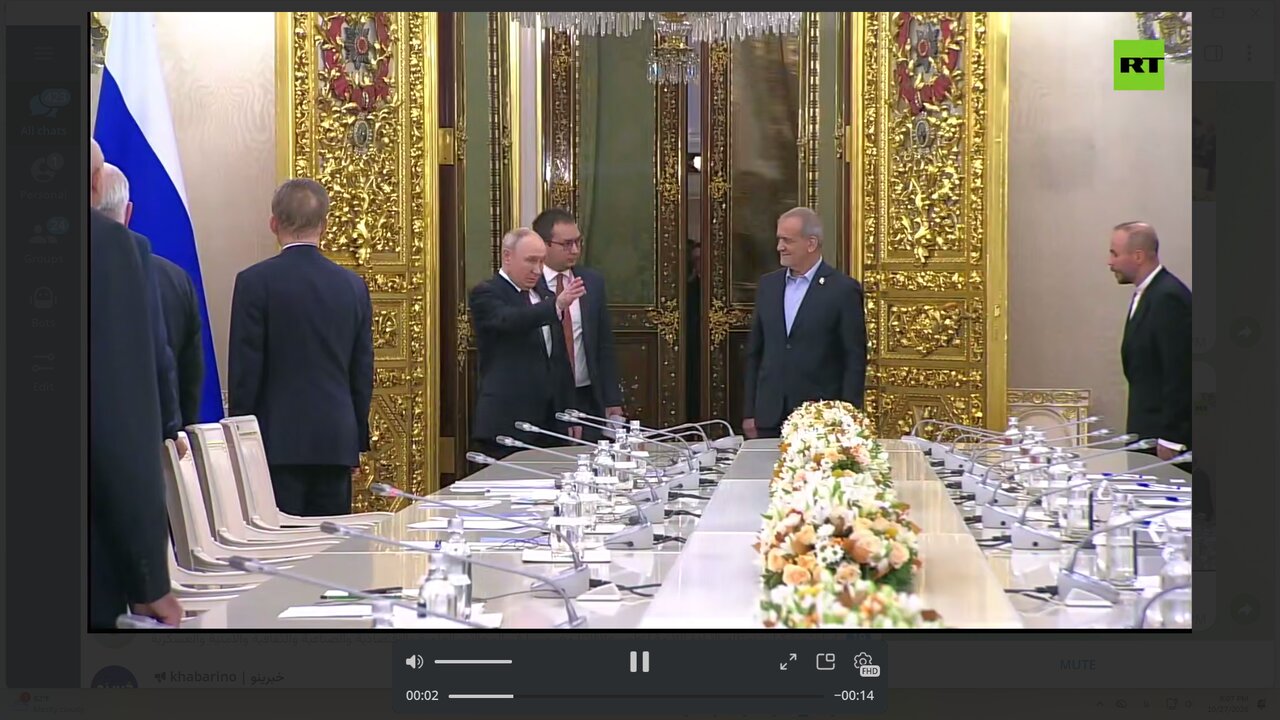
Mehr News (English) ↗Pezeshkian and Putin hold presidential meeting in Moscow
Mehr News (English) ↗Pezeshkian says US sanctions threaten energy market stability
ISNA (English) ↗Pezeshkian leaves Tehran for Moscow gas summit
ISNA (English) ↗Four countries agree to continue regional security dialogue
Middle East Eye ↗How it started
Iran pursued two diplomatic tracks this week: closer cooperation with Russia in Moscow and security talks with Saudi Arabia, Pakistan and Turkey in Tehran. Both unfolded against concern about renewed regional fighting.
Senior delegations travelled to Tehran to try to avert another confrontation involving Iran, Israel and the United States, according to Top Stories. Euronews reported that Saudi Arabia, Pakistan and Turkey were pursuing dialogue while strengthening military readiness under the Mecca Defence Alliance.
Energy was central to the Moscow track. Iranian Foreign Minister Abbas Araghchi called for closer cooperation with Russia to diversify energy supply routes and strengthen global gas market stability, Tehran Times reported.
How it unfolded
On October 26, officials from Iran, Saudi Arabia, Pakistan and Turkey met in Tehran. The four countries agreed to continue dialogue to strengthen cooperation, according to Middle East Eye. The meeting ended without a major announcement, News18 reported, citing Iranian state media.
Iran's security chief Mohsen Rezaei said regional security should be achieved by countries in the region themselves, without foreign intervention, according to CNA. That set out Tehran's preferred approach, rather than an agreed new security system.
That evening, President Masoud Pezeshkian left Tehran for Moscow to attend the eighth Gas Exporting Countries Forum summit, ISNA reported. In Moscow, he described US unilateralism as a challenge and stressed cooperation with Russia and other nations, according to IRNA.
On October 27, Pezeshkian addressed the summit, saying unilateral sanctions and what he called US economic terrorism against Iran endangered energy market stability, ISNA reported. He also met Russian President Vladimir Putin in Moscow that day, according to Mehr News.
On October 28, Pezeshkian described the two-day Russia trip as constructive and fruitful, citing understandings at the summit and his meetings, Mehr News reported. Separately, Araghchi described the Tehran meeting as an opportunity to advance dialogue on regional peace and security, according to IRNA.
Where it stands
The clearest result of the Tehran talks is an agreement to keep talking, not a completed regional security arrangement. The Moscow visit brought a presidential meeting and public calls for energy cooperation, but the supplied reports do not detail a new bilateral agreement.
Iranian reactions to the regional initiative were divided. Iran International reported that some commentators saw the visit as recognition of Iran's influence, while others voiced concern about the visitors' aims. That makes the upbeat official descriptions only part of the picture.
What to watch
The next test is whether the four countries turn their commitment to continued dialogue into specific security arrangements. Their agreement to keep talking, reported by Middle East Eye, leaves the substance and timing of further steps open.
On the Russia track, watch for details behind Pezeshkian's reference to good understandings, reported by Mehr News. Concrete energy or investment commitments would show how far the visit moved beyond statements of cooperation.
More in Politics
All →
Serbia's Student List Wins Election, Faces Decisions Over Leadership and Reform
After defeating Aleksandar Vučić's party, Serbia's student movement must choose a prime minister and turn its protest coalition into a government, while anger over media coverage spills into newsrooms.
56 sources · over 7 days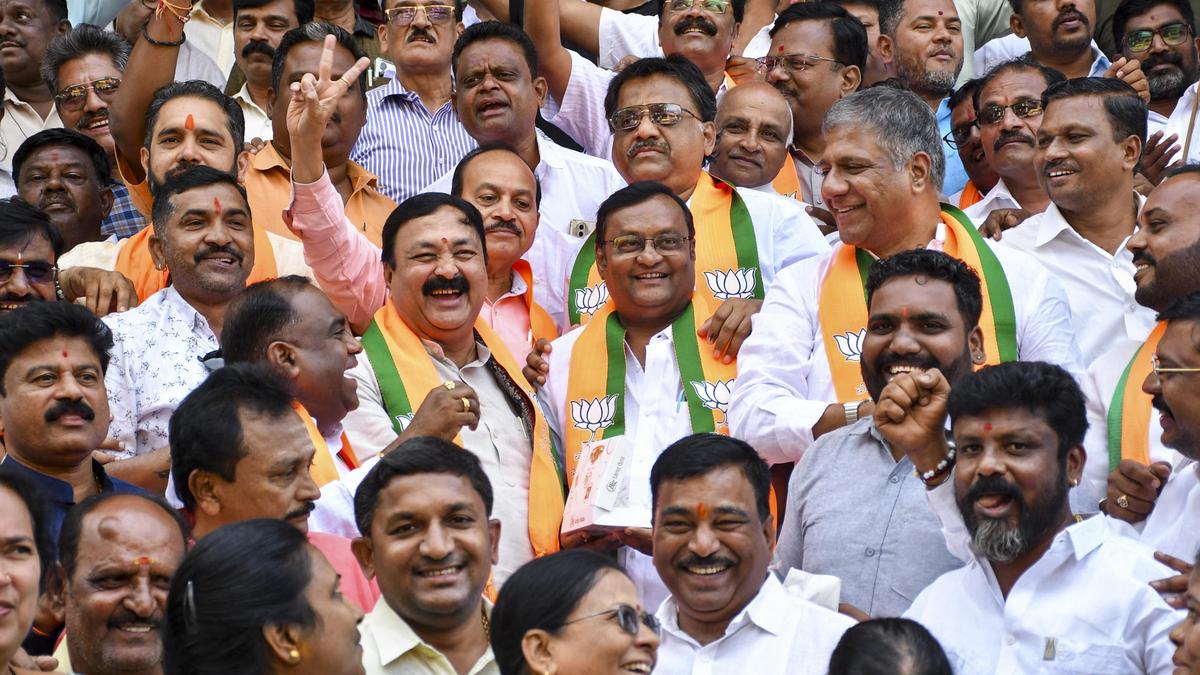
BJP and JD(S) Sweep All Four Karnataka Legislative Council Seats
The alliance won three seats for the BJP and one for JD(S), leaving Congress empty handed in a contest that tested coordination between the partners.
10 sources · over 3 days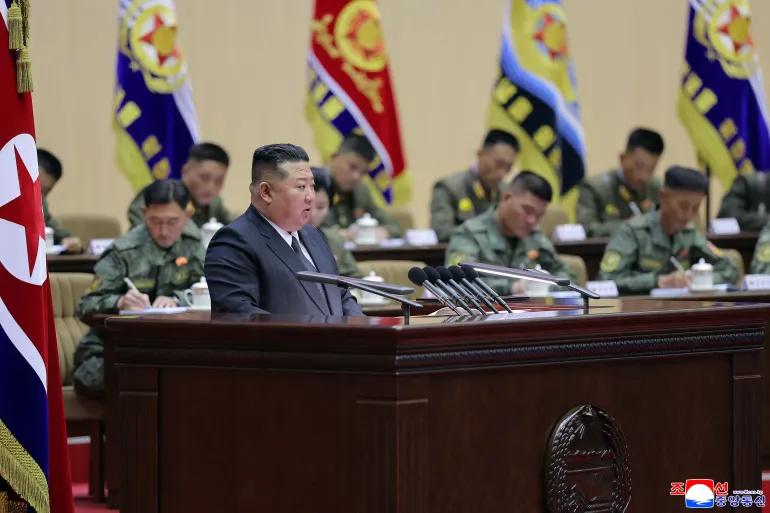
Kim Jong Un Returns Home After Dandong Visit via New Bridge
Kim Jong Un returned home after visiting the Chinese border city of Dandong, with the visit's aims and outcomes still unclear.
20 sources · over 5 days