
Serbia's Student List Wins Election, Faces Decisions Over Leadership and Reform
After defeating Aleksandar Vučić's party, Serbia's student movement must choose a prime minister and turn its protest coalition into a government, while anger over media coverage spills into newsrooms.
By Hushread Stories, from 56 outlets · First published 28 Oct 2026 · Chapter 4 of 4
Earlier: Serbia's Student List Wins Election as Leadership and Media Questions Mount
In brief
- The Student List won Serbia's October 25 parliamentary election, and Aleksandar Vučić conceded his side's defeat.
- The movement secured an absolute majority, giving its chosen representatives the parliamentary strength to form a government.
- Students selected academics, engineers, artists and activists as candidates, rather than filling the parliamentary list with students.
- Celebrations in Belgrade were followed by protesters entering Informer television's newsroom and interrupting a live broadcast.
- The movement must choose a prime minister and define its relationship with the lawmakers elected under its banner.

Timeline · 6 moments
Four contenders emerge for Serbia's vacant prime minister post
The Independent ↗Movement faces decisions on premier and elected representatives
Il Post ↗Broadcaster apology adds to reckoning over partisan media coverage
Times now ↗Protesters enter Informer studios and interrupt live broadcast
Telegraaf ↗Thousands celebrate again in Belgrade after election victory
The Globe and Mail ↗Student List wins parliamentary election as Vučić concedes defeat
Latest news, sport and opinion from the Guardian ↗How it started
Serbia's electoral upheaval grew out of a student protest movement that did not exist two years ago, according to Il Post. La Repubblica traces its origins to a canopy collapse in 2024.
The movement developed into something broader than a student candidacy. Student assemblies selected a parliamentary list of academics, engineers, artists and activists, according to the report credited to Reuters. The students organised the challenge, but the people elected under their banner are not themselves students, Il Post reported.
How it unfolded
In the October 25 snap parliamentary election, the Student List won an absolute majority. Deutschlandfunk reported that it received just over 52 percent of the vote. Vučić conceded defeat on Sunday, according to the Guardian.
The scale of the victory overturned a political order that Vučić had dominated for more than a decade. Reports differ on the duration: NPR describes more than a decade of dominance, while The Conversation describes 12 years in power and Mint gives 14 years of political dominance.
Crowds filled Belgrade on election night. Le Monde reported hundreds of thousands celebrating in the city's streets and squares. Thousands gathered again on Monday, October 26, according to The Globe and Mail.
On Monday evening, protesters entered the Belgrade studios of Informer, a television station associated with support for Vučić, and interrupted a live broadcast, Telegraaf reported. Al Jazeera reported that a monitoring group had found negative coverage in more than 80 percent of the station's mentions of the Student List.
By October 27, the dispute over media conduct had widened. The New York Times reported both the intrusion at a pro-government outlet and an apology from another outlet for years of one-sided coverage. Times Now identified the broadcaster issuing the apology as Radio Television of Vojvodina.
Where it stands
The Student List has the parliamentary majority, but choosing who will lead its government remains unfinished business. The Financial Times reported that the movement had yet to nominate a prime minister candidate. On October 28, The Independent described four men as contenders for the post.
The movement also needs to settle how it will work with the representatives it helped elect. Il Post identifies that relationship, alongside the choice of prime minister, as its two major immediate decisions.
The early expectation is a government focused on domestic repair rather than an immediate foreign-policy transformation. An analyst in Belgrade told Reuters that it would probably have a limited remit centred on fighting corruption and reforming the state, according to CNN Brasil.
What to watch
The first concrete test is the nomination of a prime minister, followed by the movement's ability to turn its majority into a workable reform programme. Its elected representatives come from different backgrounds and hold different views, La Repubblica reported.
Relations with the European Union are another test, not a settled outcome. Euronews reported hopes of a reset but caution in Brussels over the movement's positions on Russia sanctions and Kosovo. In an October 28 assessment for Euronews, International Crisis Group analyst Marko Prelec said the election winners clearly sought better EU relations, while warning that dismantling Vučić's system would take a long time.
More in Politics
All →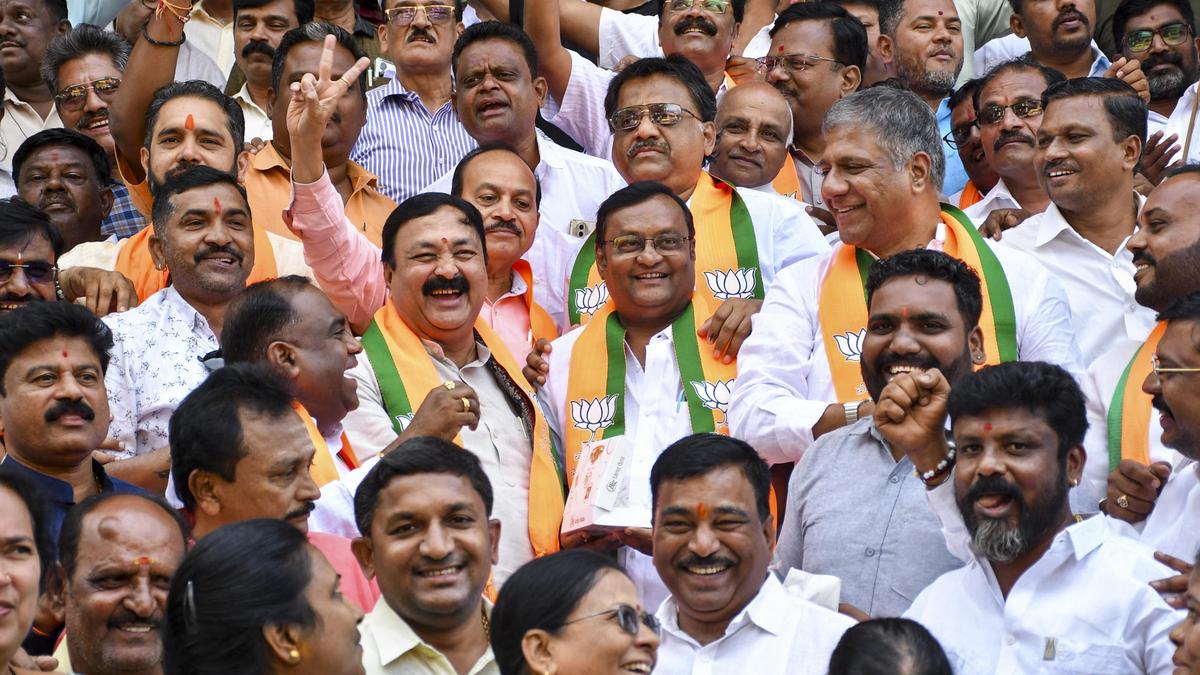
BJP and JD(S) Sweep All Four Karnataka Legislative Council Seats
The alliance won three seats for the BJP and one for JD(S), leaving Congress empty handed in a contest that tested coordination between the partners.
10 sources · over 3 days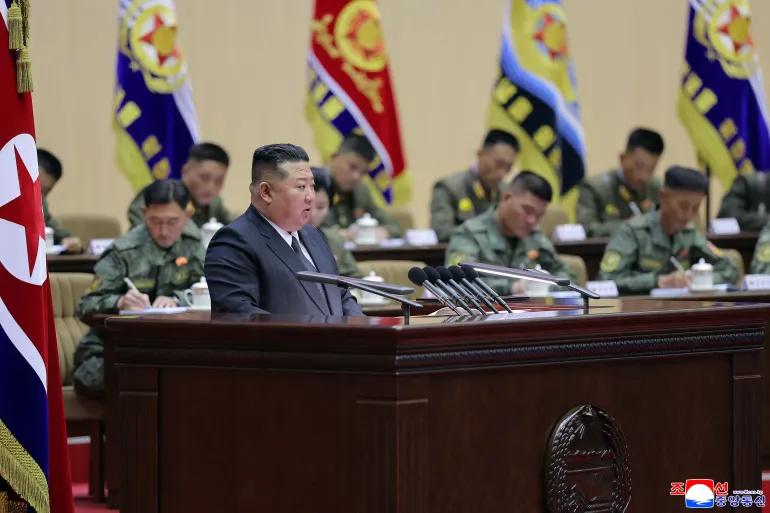
Kim Jong Un Returns Home After Dandong Visit via New Bridge
Kim Jong Un returned home after visiting the Chinese border city of Dandong, with the visit's aims and outcomes still unclear.
20 sources · over 5 days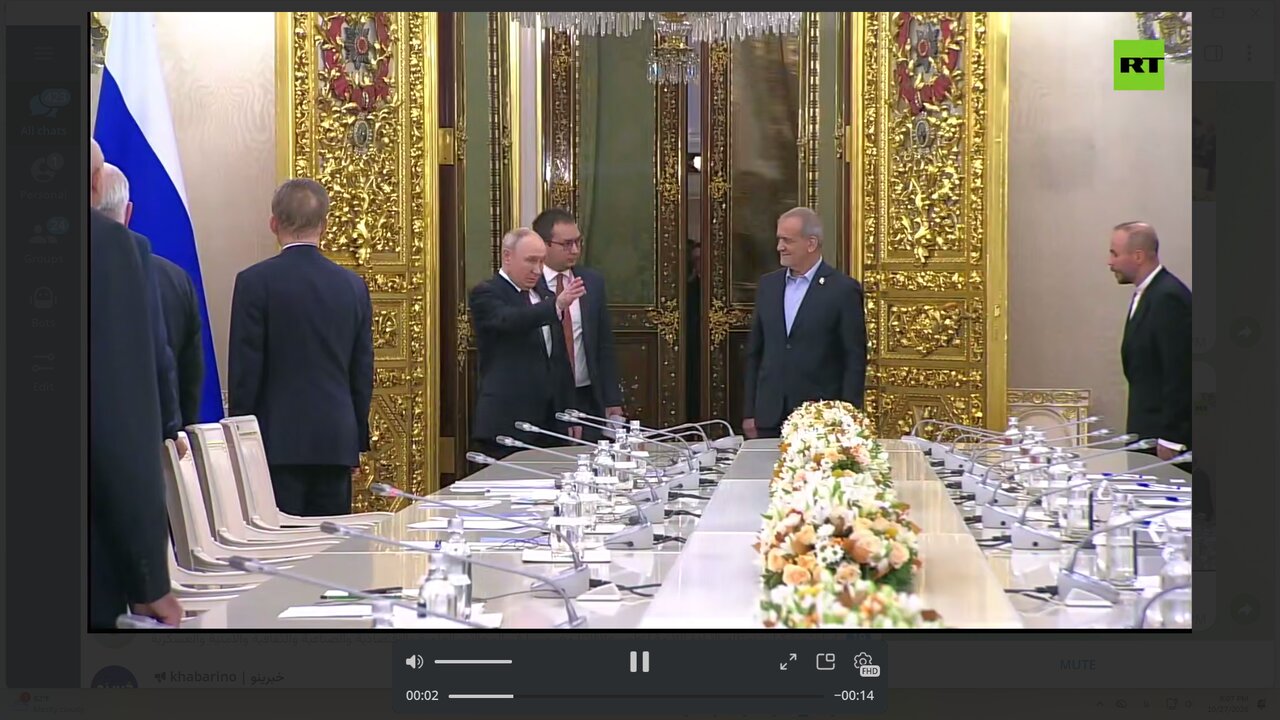
Iran and Russia Hold Moscow Talks as Regional Powers Pursue De-escalation
President Masoud Pezeshkian's Moscow visit coincided with regional security talks in Tehran, linking Iran's push for energy cooperation with efforts to prevent renewed fighting.
36 sources · over 9 days