
Iran Says Two Tankers Hit Mines and Burn Near Hormuz
Iran's Revolutionary Guards say mines halted two tankers south of Hormuz, adding to reports of ship attacks in a waterway that normally carries one-fifth of global oil consumption.
By Hushread Stories, written with AI from 15 outlets · First published 20 Oct 2026
In brief
- Iran's Revolutionary Guards said two tankers hit Iranian mines and caught fire south of Hormuz on Tuesday.
- Earlier reports described a tanker explosion and engine room fire, attributed to a statement from the Guards.
- The Guards accused the vessels of using prohibited routes, but the supplied reports lack independent confirmation.
- The latest coverage does not establish whether Tuesday's two tankers include vessels described in earlier reports.
- The tankers' condition, crew safety and any further restrictions on shipping remain important unresolved details in the coverage.
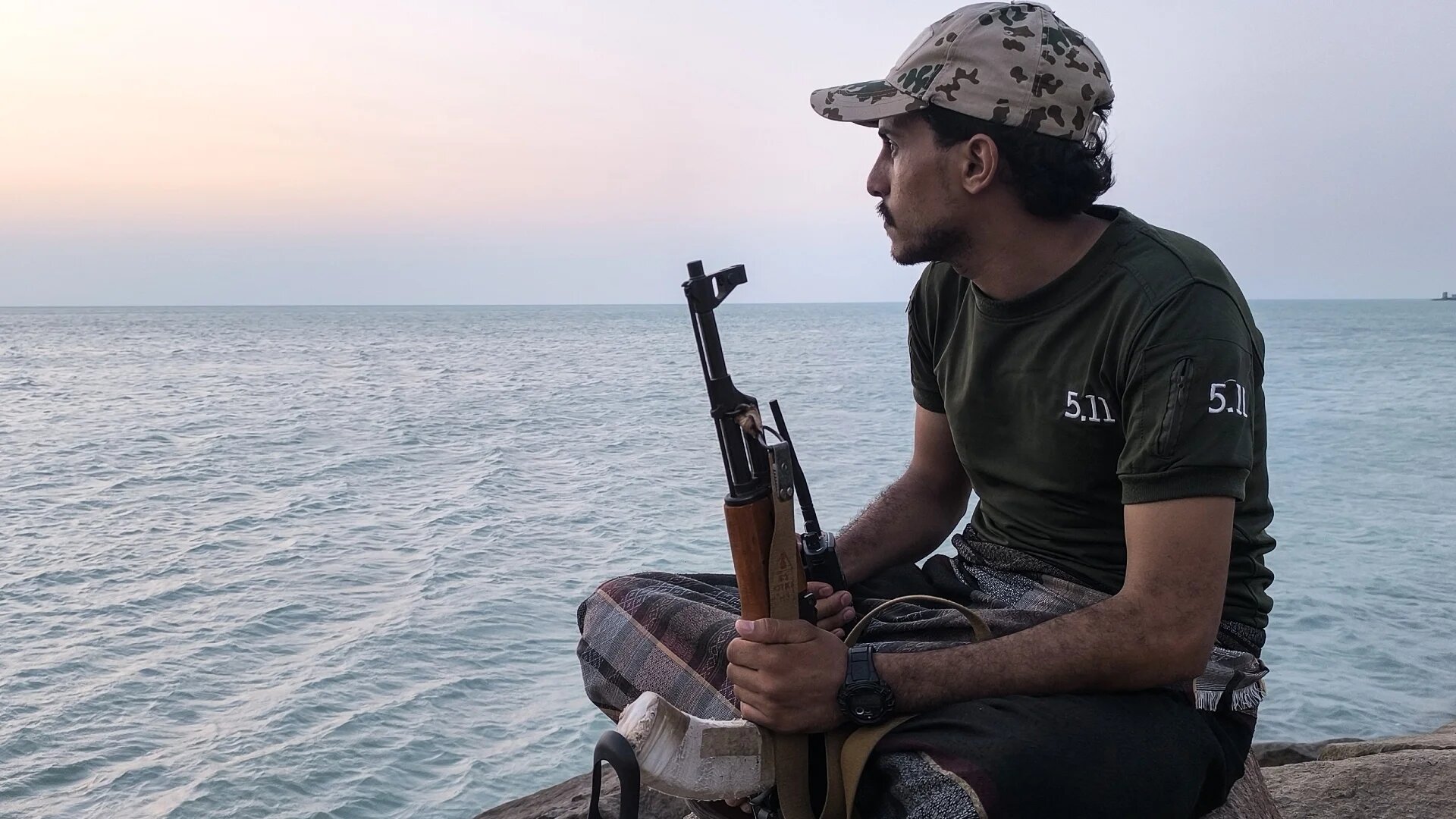
Timeline · 5 moments
Reporting points to more ships suffering greater damage
Bloomberg ↗Guards also claim US drone downed over Hormuz
ISNA (English) ↗Guards say two tankers hit mines and caught fire
Middle East Eye ↗Report describes attacks on at least 15 container ships
Latest news, sport and opinion from the Guardian ↗Guards report tanker mine strike and fire near Hormuz
Middle East Eye ↗How it started
Reports on October 18 described an oil tanker striking a naval mine and catching fire in the southern Strait of Hormuz. Middle East Eye attributed the account of the explosion and fire to Iran's Revolutionary Guards.
The incident came amid wartime restrictions on the waterway. The Hindu reported that Tehran seized control over Hormuz after the war began in late February, choking off a passage that normally carries about one-fifth of global oil consumption.
How it unfolded
On October 19, Mehr News reported that a tanker had struck a mine south of the strait, causing an explosion and a fire in its engine room. Its headline described this as another tanker explosion, but the supplied coverage does not establish whether it was separate from the incident reported the previous day.
The Guards said the tanker had used an "unauthorized southern route" and disabled its positioning and navigation systems, according to NDTV. Those allegations came from the Iranian statement, rather than an independently established account of the vessel's movements.
The same day, the Guardian reported that Iran had attacked at least 15 container ships passing through the waterway over the preceding 10 days. Some were struck by drones and others by mines. Those were container ships, not a confirmed count of affected oil tankers.
On October 20, the account expanded to two tankers. Middle East Eye reported the Revolutionary Guards' Navy's statement that two vessels had hit Iranian mines, caught fire and been brought to a halt south of Hormuz. IRNA English reported the Guards' allegation that they had attempted to pass through a prohibited area.
The Guards also said their air defenses had downed a US MQ-9 drone over the strait overnight, according to ISNA. The supplied coverage does not provide independent confirmation of that claim.
Where it stands
The latest account is that two tankers were burning and halted after mine strikes, according to the Guards' statement carried by Middle East Eye. It remains unclear whether these are additional vessels or include the tanker described in earlier reports. The reports should not be added together to produce a cumulative total.
The supplied coverage does not identify the tankers or establish their crews' condition, whether the fires were extinguished, or whether oil spilled. Bloomberg reported that Iranian attacks were hitting more ships and causing more severe damage than earlier in the conflict, increasing risks to regional energy flows.
What to watch
The immediate gaps are the vessels' identities, crew safety and the extent of damage. Independent accounts from ship operators or maritime authorities would help establish what happened and whether the latest statement describes new incidents.
Shipping restrictions also remain central. Press TV reported a warning from the Revolutionary Guards' Navy that vessels operating in Hormuz and the Persian Gulf with navigation and identification systems switched off would face a firm response.
More in World
All →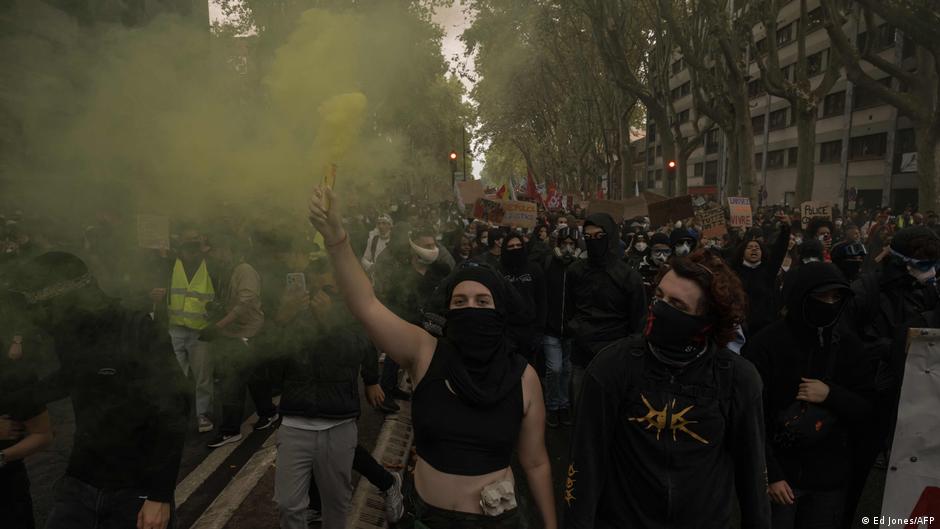
France Imposes Curfews After Nationwide Protests Escalate Into Street Violence
Curfews are being introduced after protests over living costs, schools and public services turned violent, with thousands arrested and the government considering a state of emergency.
9 sources · over 4 days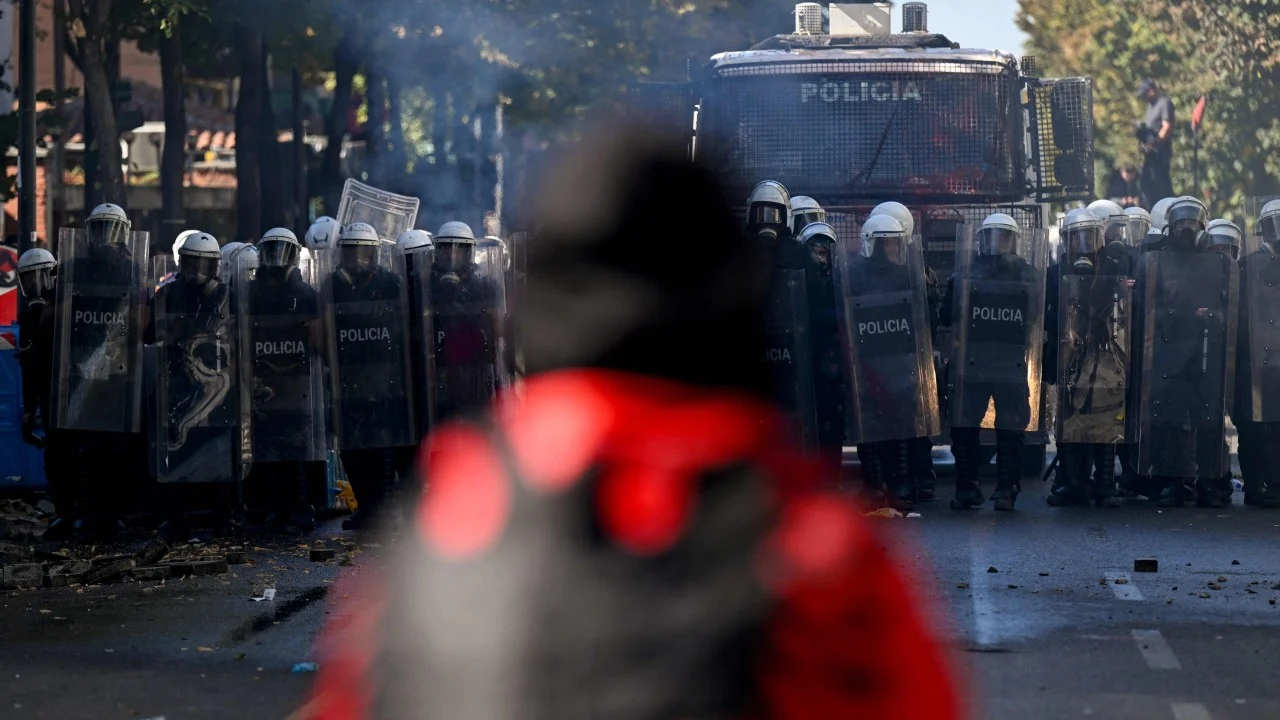
Albania Protests Escalate as Police Station Burns and Parliament Is Targeted
Violent unrest continued in Tirana as protesters demanded better university conditions and Prime Minister Edi Rama's resignation.
37 sources · over 7 days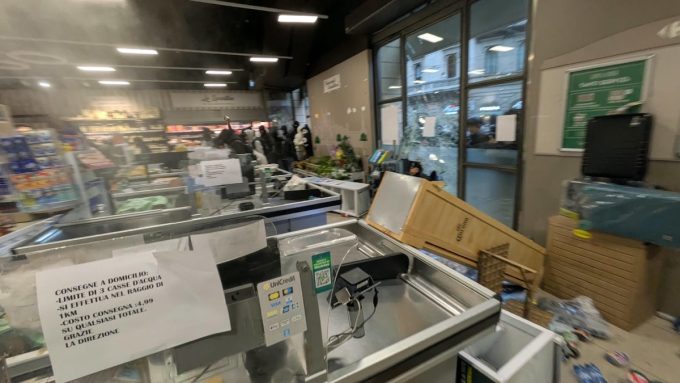
Italy to Send 500 Soldiers to Milan After Violent Protests
The government plans to give additional troops police powers after protests over living costs ended in clashes, vandalism and looting.
35 sources · over 5 days