
Jonathan the Tortoise's First Genome Study Offers Clues to His Longevity
Scientists studying the 194-year-old tortoise have identified DNA repair systems and stable gene regulators that may help explain his longevity, though implications for human aging remain uncertain.
By Hushread Stories, written with AI from 9 outlets · First published 7 Oct 2026
In brief
- Scientists have sequenced Jonathan the giant tortoise's genome for the first time to investigate his exceptional longevity.
- Jonathan is 194 years old and lives on the remote South Atlantic island of St. Helena.
- Coverage describes exceptional DNA repair systems that may help protect Jonathan against the effects of aging.
- Researchers also found stable gene switches and youthful regulator patterns that may help explain his long life.
- The findings offer clues about longevity, but whether they could help extend human life remains an open question.

Timeline · 4 moments
Researchers report stable gene switches linked to aging resistance
Phys.org ↗Genome investigation identifies exceptional DNA repair systems
New Scientist ↗Scientists sequence Jonathan's genome for the first time
The New York Times ↗Mouth sample provides material for Jonathan's genetic investigation
Discover Magazine ↗How it started
Jonathan has lived for nearly two centuries. At 194, he is the world's oldest living land animal, according to Live Science, which places him on the remote South Atlantic island of St. Helena.
His extraordinary lifespan has made him a subject for researchers investigating the genetics of longevity. Scientists have now sequenced his genome for the first time, The New York Times reported, hoping to find clues to what has kept him alive so long.
How it unfolded
Coverage published on October 7, 2026, describes an investigation reaching beyond Jonathan's age to examine his DNA and the systems that regulate his genes. A sample taken from his mouth revealed youthful patterns in his gene regulators, according to Discover Magazine.
The genome investigation also identified exceptional DNA repair systems, New Scientist reported on October 7. That finding points to the maintenance of genetic material as one possible contributor to his longevity.
Another focus is the stability of gene switches. Phys.org reported on October 7 that researchers see a lack of genetic wear and tear, rather than simply good genes, as a possible explanation for Jonathan's survival across nearly two centuries.
Scientific American Content: Global Science framed the findings as a possible advantage in keeping genes tidy. Together, the reports describe both genetic repair and stable regulation as clues, not a single established explanation for his lifespan.
Where it stands
The first genome sequencing is complete, according to The New York Times. The findings offer possible explanations for Jonathan's longevity, including DNA repair and youthful patterns in gene regulation.
They do not establish a way to extend human life. Gizmodo Tech described that prospect as something the research could someday help achieve, rather than a treatment or an immediate application.
What to watch
The central open question is how much these repair systems and stable gene switches contribute to Jonathan's exceptional age. The coverage identifies promising mechanisms but does not establish their relative importance.
Whether those findings can inform human longevity research is a separate question. The potential described by Gizmodo Tech remains a future possibility; the supplied reports give no timetable for a practical application.
More in Science
All →
Kenso Soai and Henri B. Kagan Win 2026 Chemistry Nobel
The October 7 award recognises their discovery of non-linear effects and autocatalysis in asymmetric organic synthesis, with Japanese scientist Kenso Soai sharing the honour with Henri B. Kagan.
44 sources · today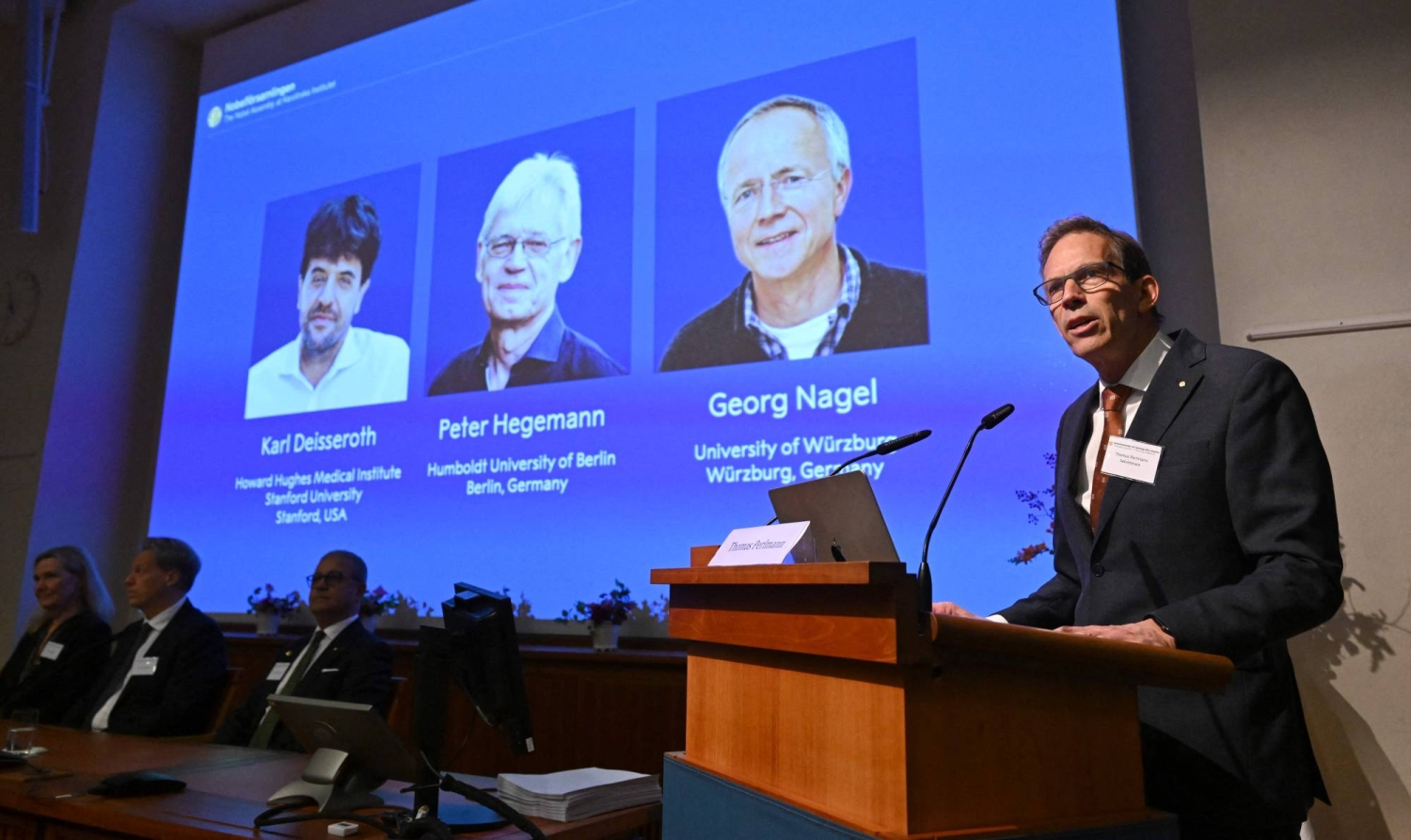
Nobel Prize in Medicine 2026 Honors Optogenetics Pioneers for Light-Gated Ion Channel Discoveries
Karl Deisseroth, Peter Hegemann, and Georg Nagel have been awarded the Nobel Prize in Medicine for their pioneering work in optogenetics, transforming neuroscience by enabling precise control of nerve cells with light.
55 sources · over 3 days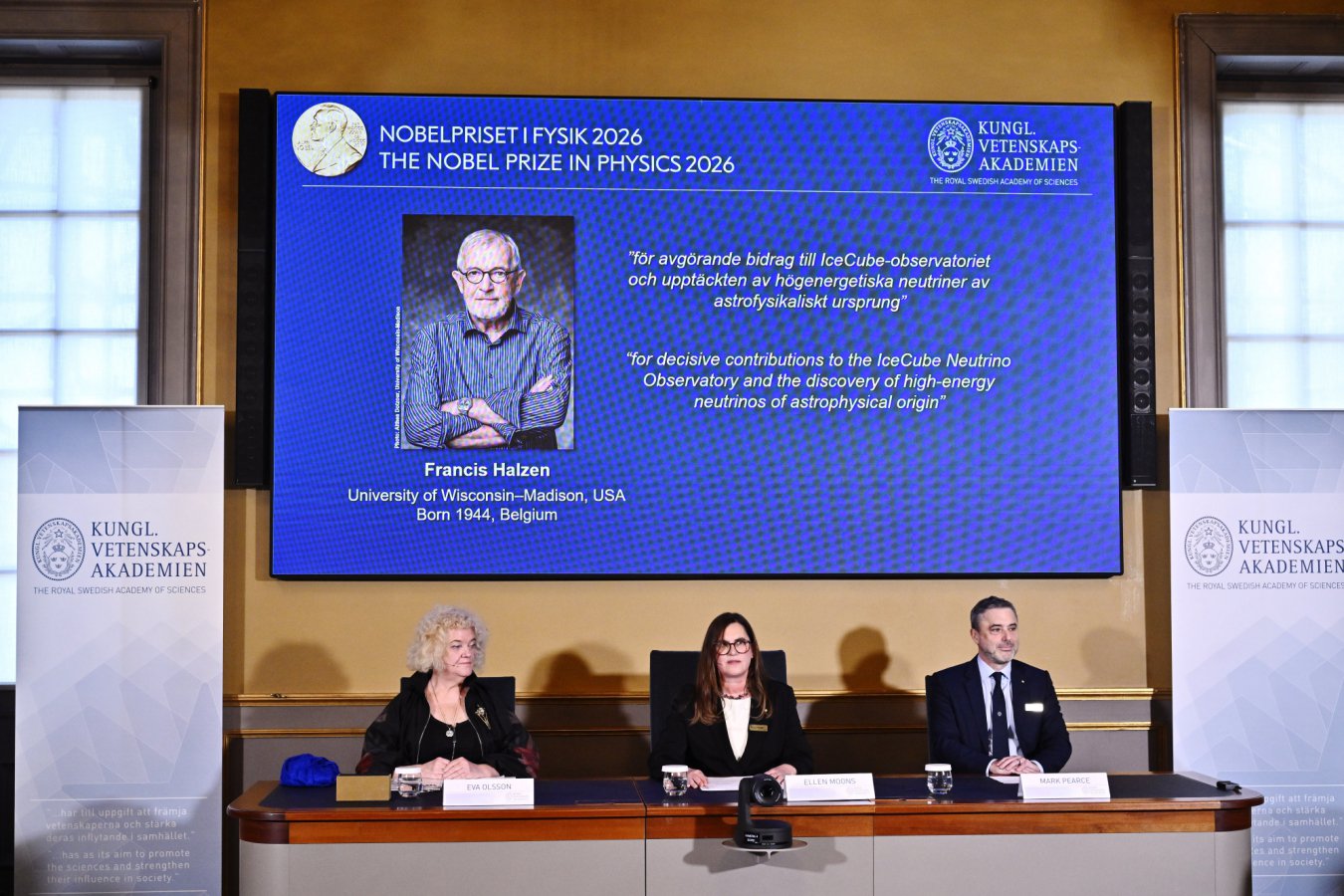
Francis Halzen wins 2026 Physics Nobel for discovering high-energy neutrinos
The October 6 announcement recognises Halzen's decisive contributions to the IceCube Neutrino Observatory and the discovery of high-energy neutrinos of astrophysical origin, linking the award to research on particles from space.
45 sources · over 2 days