
Kenso Soai and Henri B. Kagan Win 2026 Chemistry Nobel
The October 7 award recognises their discovery of non-linear effects and autocatalysis in asymmetric organic synthesis, with Japanese scientist Kenso Soai sharing the honour with Henri B. Kagan.
By Hushread Stories, written with AI from 8 outlets · First published 7 Oct 2026
In brief
- Kenso Soai and Henri B. Kagan have won the 2026 Nobel Prize in Chemistry.
- The Royal Swedish Academy of Sciences announced the chemistry award on October 7, 2026.
- The prize recognises their discovery of nonlinear effects and autocatalysis in asymmetric organic synthesis.
- Kenso Soai is identified as a Japanese scientist in coverage of the award announcement.
- The supplied reports establish the award decision but provide no details about upcoming ceremonies.
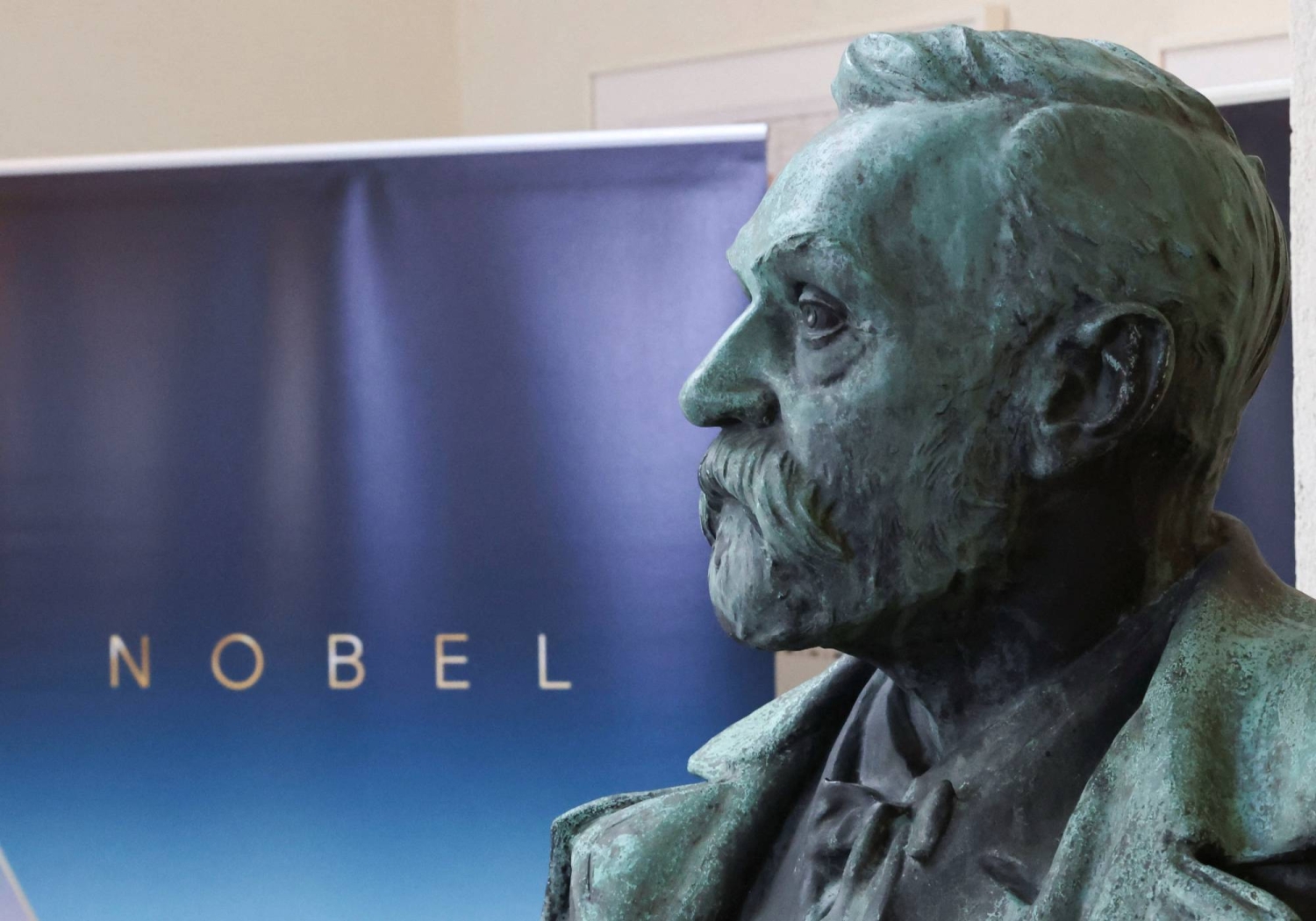
Timeline · 1 moments
Academy awards chemistry Nobel to Kagan and Soai
NBC News ↗The work behind the award
Kenso Soai and Henri B. Kagan have won the 2026 Nobel Prize in Chemistry for discoveries in asymmetric organic synthesis, according to Japan Times.
The award citation names two contributions: "the discovery of non-linear effects and autocatalysis in asymmetric organic synthesis." The supplied coverage does not explain the experiments behind those discoveries or give a chronology of the research.
The October 7 announcement
On October 7, 2026, the Royal Swedish Academy of Sciences awarded the chemistry Nobel to Henri B. Kagan and Kenso Soai, NBC News reported.
Japan Times identified Soai as a Japanese scientist and reported the full citation, including both non-linear effects and autocatalysis.
Same-day coverage from The Hindu also carried that citation. Although some headlines focused on non-linear effects, the fuller reports describe an award recognising both discoveries.
Where it stands
The award has been announced, with Kagan and Soai named as the two recipients. South China Morning Post likewise reported that the 2026 chemistry prize honours their discovery of non-linear effects and autocatalysis in asymmetric organic synthesis.
The supplied reports contain no recipient reactions, detailed explanation of the research or information about the award ceremony.
More in Science
All →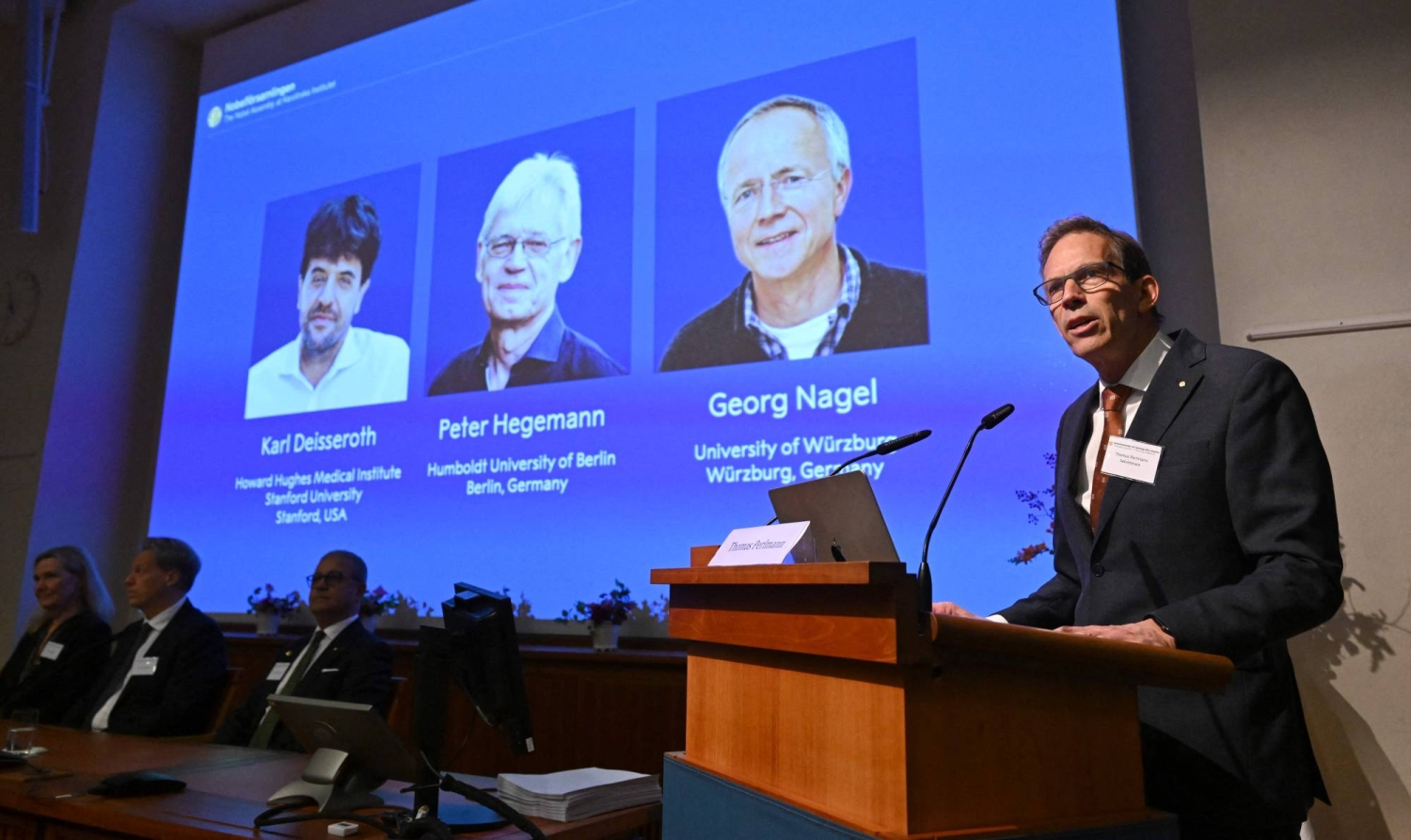
Nobel Prize in Medicine 2026 Honors Optogenetics Pioneers for Light-Gated Ion Channel Discoveries
Karl Deisseroth, Peter Hegemann, and Georg Nagel have been awarded the Nobel Prize in Medicine for their pioneering work in optogenetics, transforming neuroscience by enabling precise control of nerve cells with light.
55 sources · over 3 days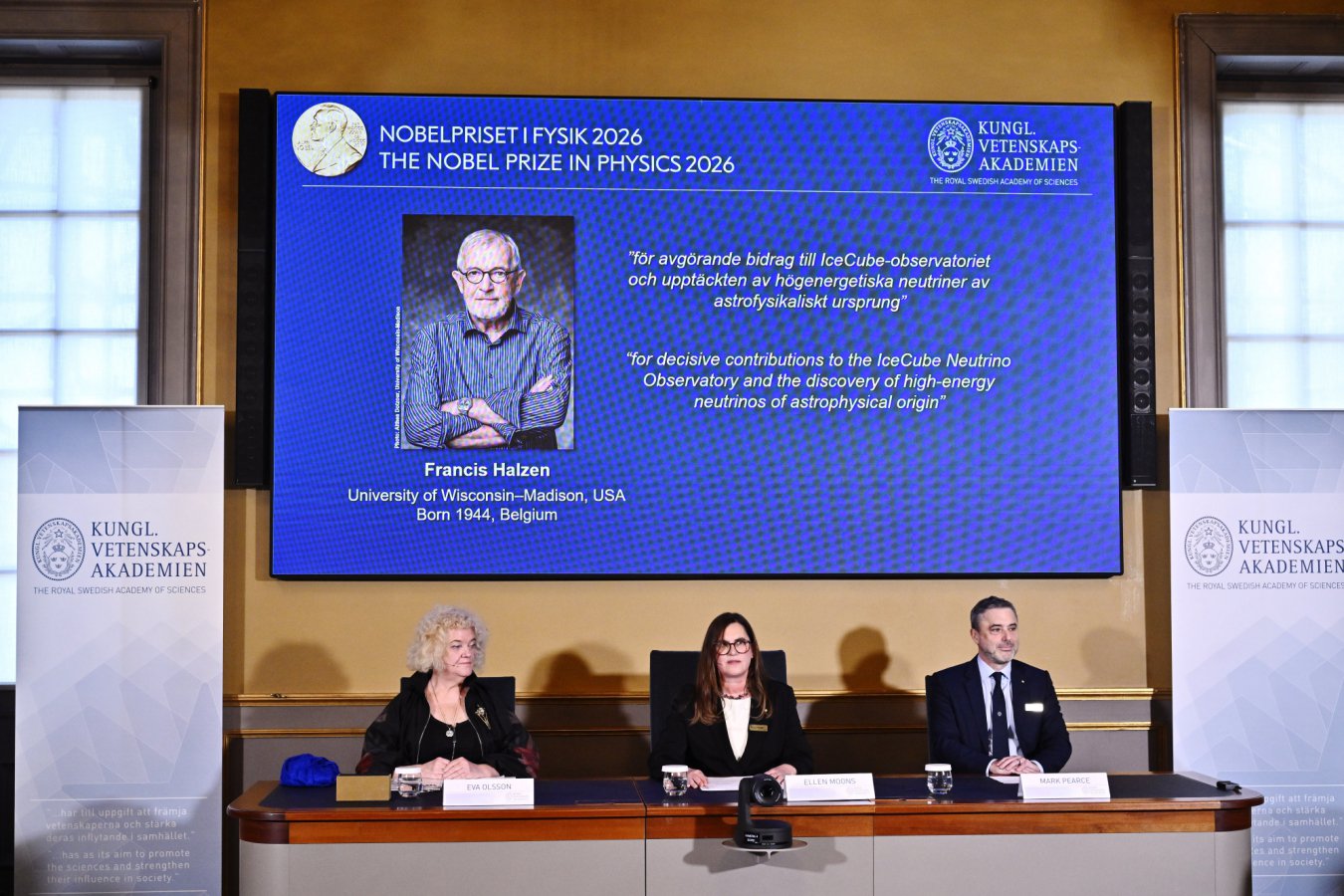
Francis Halzen wins 2026 Physics Nobel for discovering high-energy neutrinos
The October 6 announcement recognises Halzen's decisive contributions to the IceCube Neutrino Observatory and the discovery of high-energy neutrinos of astrophysical origin, linking the award to research on particles from space.
45 sources · over 2 days
New Forensic Evidence Confirms Human Sacrifice in Ancient Egyptian Royal Tombs
Recent forensic analysis of 5,000-year-old skulls from Egypt's earliest royal tombs reveals violent deaths, offering new insight into ancient burial rituals and social structure.
9 sources · today