
King Charles Heads to Antigua Summit Facing Slavery Apology Demands
Charles is preparing to address Commonwealth leaders after acknowledging slavery's suffering, while protests and calls for reparations put pressure on Britain to move beyond expressions of sorrow.
By Hushread Stories, from 17 outlets · First published 2 Nov 2026 · Chapter 4 of 4
Earlier: King Charles's Caribbean Tour Brings Slavery Apology Calls to Commonwealth Summit
In brief
- King Charles began his Caribbean tour in the Bahamas, acknowledging slavery's suffering without offering a formal apology.
- The nine day tour has included the Bahamas and Guyana, with Antigua hosting the concluding Commonwealth summit.
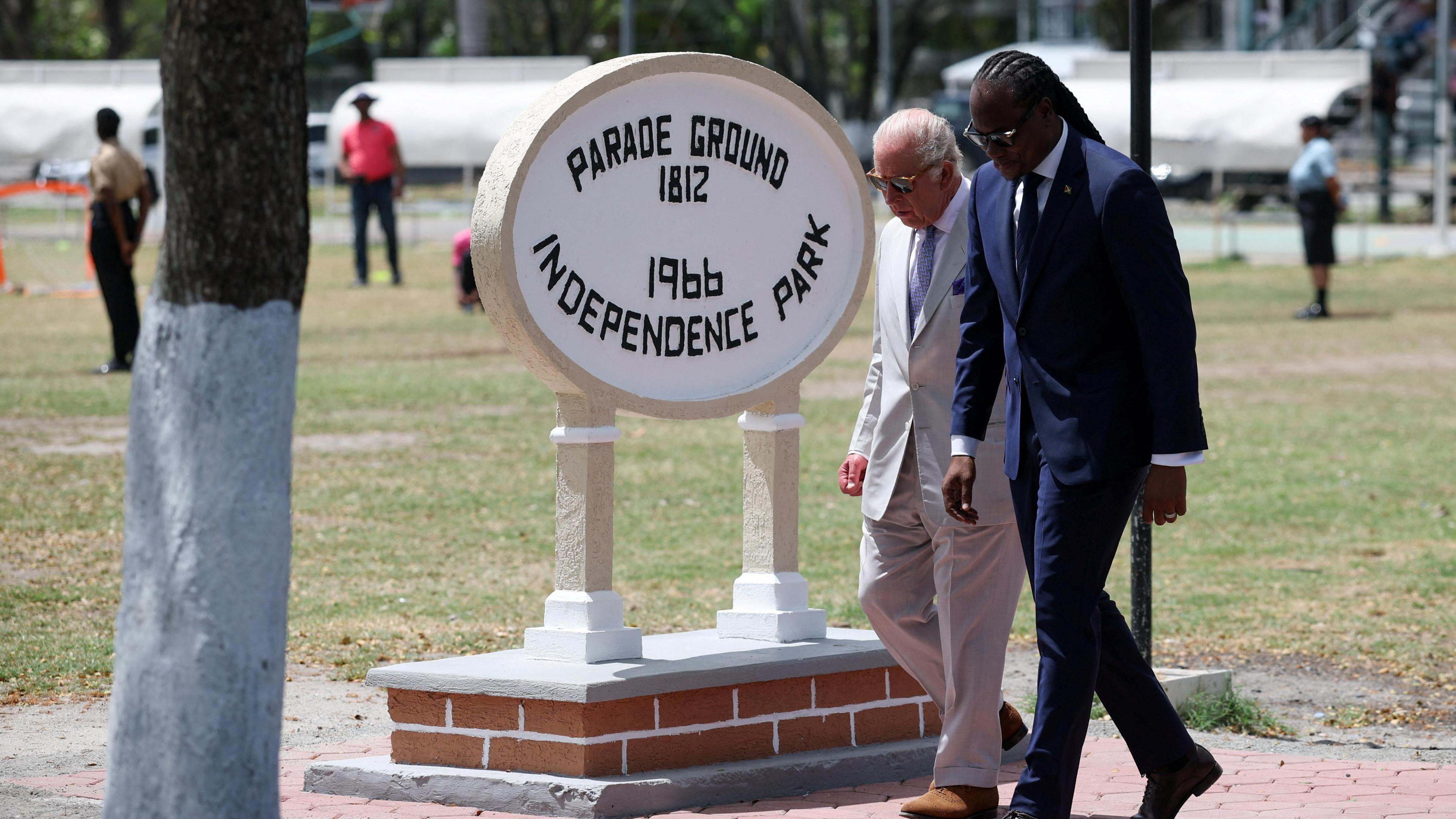
- Charles visited a Guyanese slave rebellion site as demands for reparations continued during his Caribbean trip.
- Antigua and Barbuda's prime minister wants Charles removed as monarch and says Britain should pay reparations.
- Charles will address Commonwealth leaders on Tuesday, while the UK prime minister is open to a possible apology.
Timeline · 7 moments
UK prime minister open to possible slavery apology
BBC Politics ↗Antigua's prime minister calls for monarchy change and reparations
Daily Mail ↗Protest demands target Charles and Burnham at Antigua summit
Latest news, sport and opinion from the Guardian ↗Charles visits Guyanese slave rebellion site during tour
BBC - Home ↗King holds talks with Bahamian prime minister
Home | GB News ↗Charles acknowledges slavery's impact without apology or reparations
CBC Top Stories ↗Charles arrives in Bahamas amid apology and reparations demands
South China Morning Post ↗How it started
King Charles began his Caribbean tour in the Bahamas on October 27, facing demands for an apology and reparations for slavery. It was his first official visit to the Bahamas as king, according to the South China Morning Post.
The visit brought a familiar distinction into focus: acknowledging suffering is not the same as apologising or offering reparations. CBC Top Stories reported that Charles recognised slavery's devastating impact at his first stop but did neither.
How it unfolded
On October 28, the BBC reported Charles's acknowledgement of the "suffering of the past". That day, he also held audiences with Bahamian Prime Minister Philip Davis and Governor General Dame Cynthia Pratt, according to GB News.
Public celebrations continued alongside the demands for action. Charles joined a Junkanoo street parade in Nassau on October 28, dancing with local participants, Euronews reported. Al Jazeera placed the appearance against growing calls for slavery reparations ahead of the Commonwealth summit.
The tour then moved to Guyana. On October 30, the BBC reported that Charles visited the site of a Guyanese slave rebellion, bringing the history at the centre of the debate directly into his itinerary.
By October 31, attention was turning to Antigua and Barbuda and the Commonwealth Heads of Government Meeting. The Guardian reported demands for an apology and reparatory justice directed at Charles and UK prime minister Andy Burnham as they travelled through St John's.
On November 1, the Daily Mail reported that Antigua and Barbuda's prime minister personally wanted Charles removed as the country's monarch and insisted Britain should pay reparations for slavery.
Where it stands
Charles has expressed sorrow but has not offered a formal apology. Buckingham Palace says his Antigua speech will address the lasting pain of the transatlantic slave trade with "unflinching honesty" and "sincere sorrow", the BBC reported. Express & Star reported that no apology was expected.
The British government's position is a separate question. On November 2, BBC Politics reported that the UK prime minister was open to a possible apology. That leaves an important difference between what Charles is expected to say and what the government might consider.
What to watch
Charles is due to address the Commonwealth Heads of Government Meeting on Tuesday as he concludes his nine-day tour, according to BBC Politics. His wording will show how far the promised acknowledgement goes, with no formal royal apology expected.
The other pending question is whether pressure from Commonwealth leaders produces movement from Britain. The Sydney Morning Herald reported that several leaders appeared determined to force a debate about Britain's imperial past. An openness to a possible apology is not yet an apology or a commitment to reparations.
More in World
All →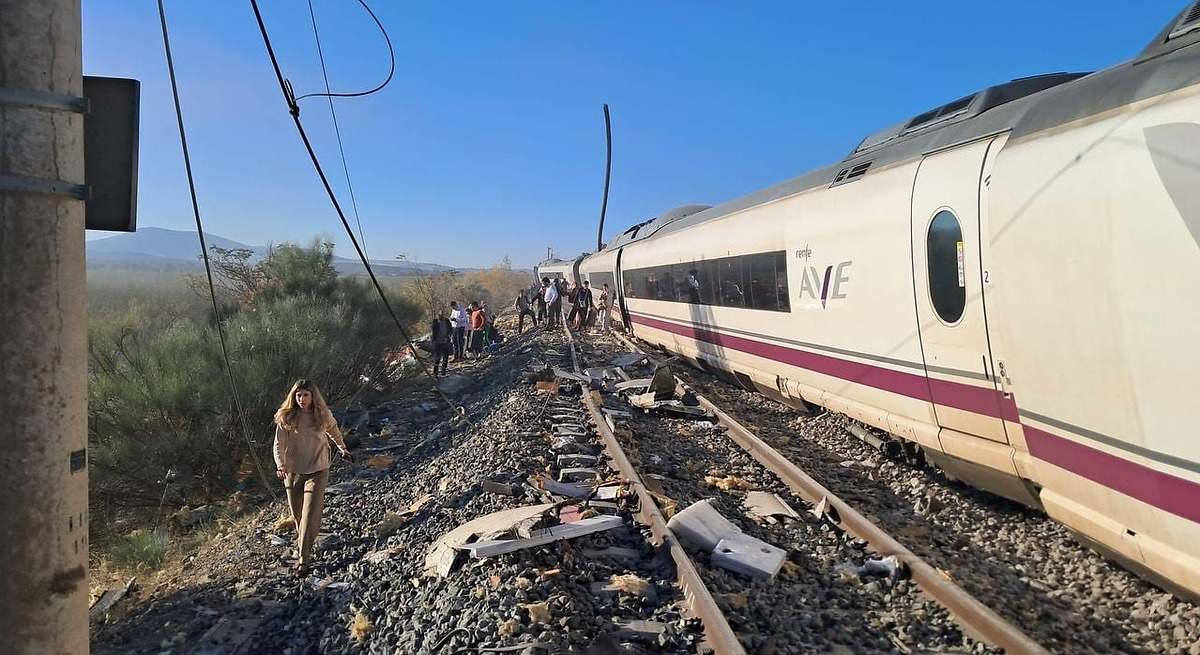
High-Speed Train Collision Near Toledo Kills at Least 69
At least 69 people died and more than 100 were injured in Wednesday's collision near Urda, as rescue and identification efforts continued.
83 sources · over 6 days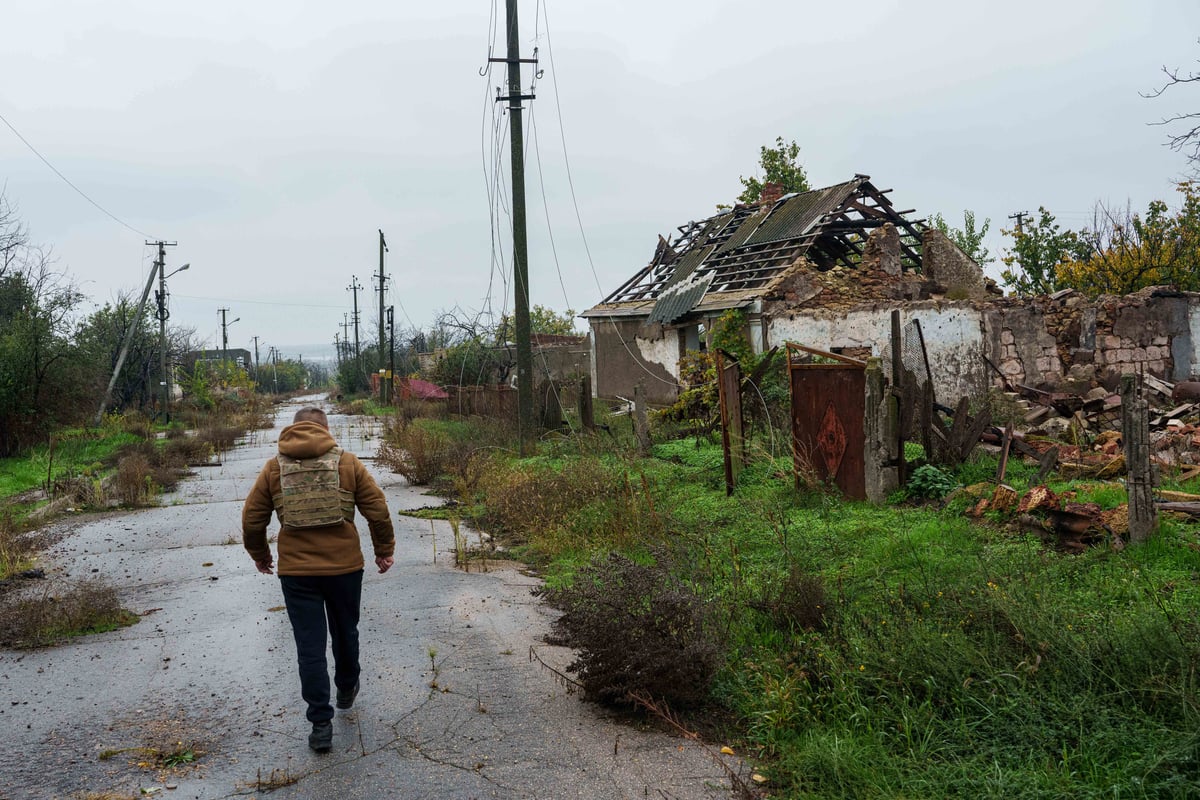
Oleshky Evacuees Reunite With Families as Six-Day Kherson Ceasefire Ends
A rare local truce brought hundreds out of Russian-occupied Oleshky, but its expiry leaves Kherson residents facing renewed fighting while strikes elsewhere have cut electricity.
31 sources · over 4 days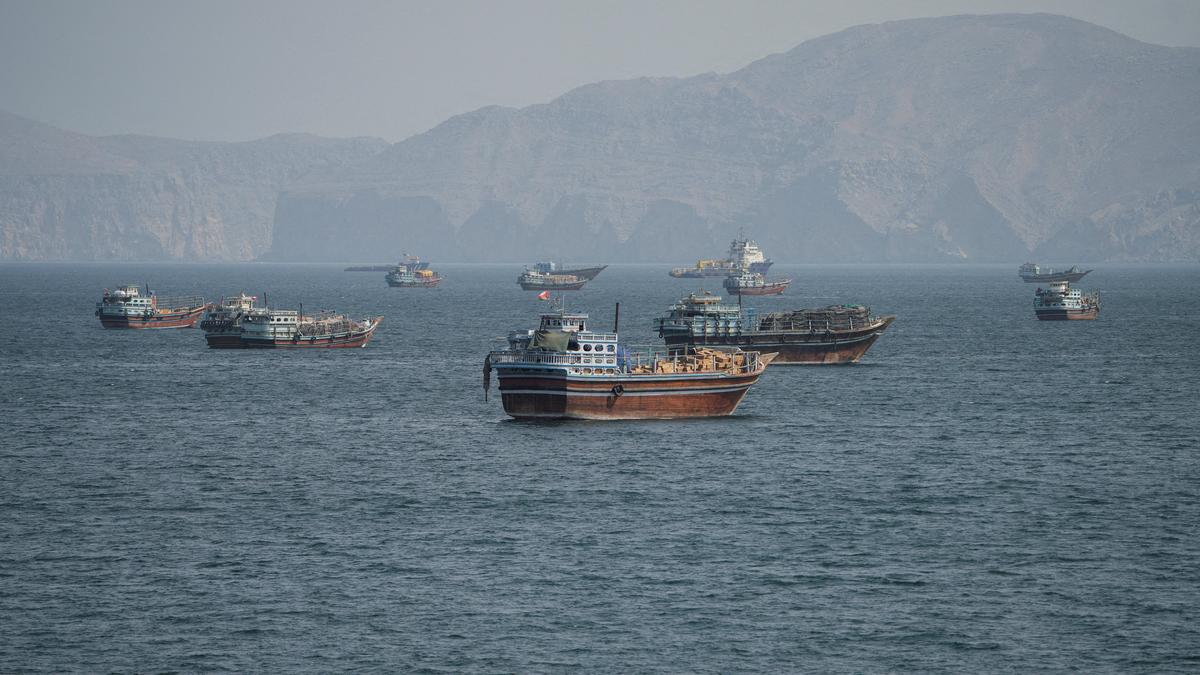
Iran Reports Four Tankers Ablaze as Hormuz Attack Accounts Diverge
Iran reports four tankers burning in the Strait of Hormuz, while separate accounts describe attached explosives and rescues, challenging US claims that shipping routes are clear.
29 sources · over 8 days