
Oleshky Evacuees Reunite With Families as Six-Day Kherson Ceasefire Ends
A rare local truce brought hundreds out of Russian-occupied Oleshky, but its expiry leaves Kherson residents facing renewed fighting while strikes elsewhere have cut electricity.
By Hushread Stories, from 31 outlets · First published 2 Nov 2026 · Chapter 2 of 2
Earlier: Oleschky evacuees return to Ukraine through Belarus after rare truce
In brief
- A six day ceasefire in the Kherson region ended Sunday night after allowing hundreds of civilians to leave Oleshky.
- The United States brokered the local truce, with First Lady Melania Trump credited for helping secure it.
- About 700 people escaped Oleshky, travelling through Russia and Belarus before reaching territory controlled by Ukraine.
- Families reunited on Saturday, while Ukrainian forces reported moving another 167 people from threatened Kherson areas on Sunday.
- No local ceasefire violations were reported, but strikes elsewhere cut power and Kherson residents prepared for fighting to return.
Timeline · 6 moments
Six-day local ceasefire ends on Sunday night
Deutsche Welle ↗Ukraine reports moving 167 people from threatened Kherson areas
CNN Brasil ↗Russian strikes cut power before local truce expires
BBC News - World News ↗Families reunite at the Ukrainian border after evacuation
Global News ↗Oleshky evacuees reach Ukrainian territory through Belarus
ARD Tagesschau ↗Temporary ceasefire brings rare quiet to Kherson residents
BBC News - World News ↗How it started
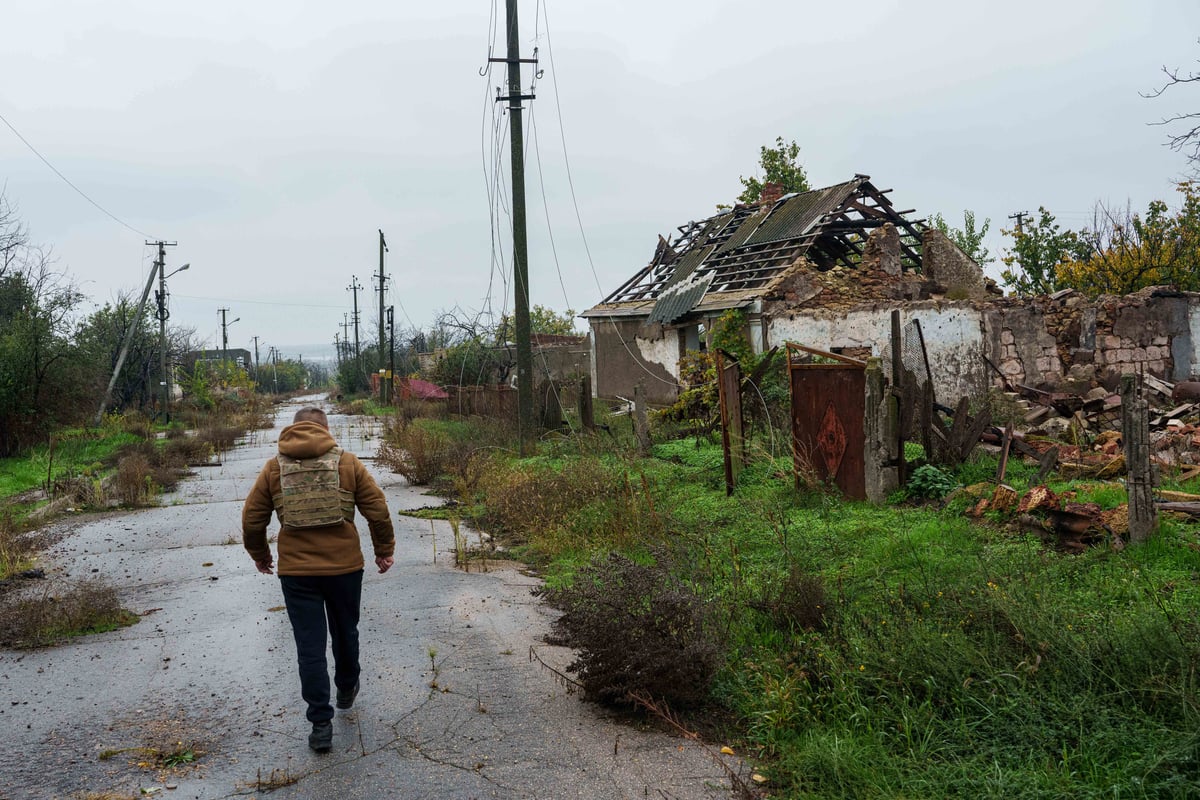
The evacuation centred on Oleshky, a Russian-occupied city on the front line in southern Ukraine. Residents had endured severe shortages. One evacuated couple told the BBC they crossed minefields in search of food.
A temporary, local ceasefire opened a route out. The South China Morning Post reported that the pause was brokered by US First Lady Melania Trump and limited to the Kherson region. It was not a nationwide halt to the war.
The truce also brought rare quiet to nearby Kherson. On October 29, the BBC described residents getting a glimpse of normal life while fearing the return of fighting.
How it unfolded
The rescue operation began on Friday, October 30, according to the Guardian. Leaving Oleshky did not mean a short crossing into Ukrainian-held territory. The route took evacuees through Russia and Belarus.
By Saturday, October 31, residents had reached territory controlled by Ukraine. ARD Tagesschau reported that evacuees had first been taken to Belarus aboard military aircraft. Le Monde described an operation using buses or aircraft and reported that at least 700 residents had been evacuated.
At the Ukrainian-Belarusian border, people stepped off buses and reunited with relatives. Some were wrapped in blue and yellow Ukrainian flags, according to Global News. The New York Times described weary civilians arriving after a harrowing 24-hour journey.
Evacuations continued as the deadline approached. On Sunday, November 1, Ukrainian military officials said they had moved 167 people from threatened areas of the southern Kherson region, CNN Brasil reported. That was a separate reported movement from the earlier Oleshky evacuation.
The six-day local ceasefire ended on Sunday night, according to Deutsche Welle. Neither side had announced an extension, the South China Morning Post reported.
Where it stands
Hundreds of Oleshky residents are now out of the occupied city. Le Monde put the number at about 700. The truce offered residents the choice of leaving for territory controlled by Ukraine or Russia, or remaining with fresh supplies, according to Express & Star.
Deutsche Welle reported no violations during the local ceasefire. Earlier coverage carried a dispute: ANSA reported that Moscow accused Kyiv of breaking the truce, while Kyiv denied it and accused Moscow of trying to discredit Ukraine. The supplied reports do not resolve that discrepancy.
The pause did not stop attacks elsewhere in Ukraine. The BBC reported power cuts affecting thousands before the Kherson ceasefire expired, while Al Jazeera reported that Moscow and Kyiv continued strikes outside the ceasefire area. Those attacks should not be confused with confirmed renewed fighting in Kherson.
What to watch
The immediate concern is what happens to civilians still in the Kherson region now that the pause has ended. AP News reported residents preparing for fighting to return. A Ukrainian military officer, speaking anonymously to NDTV, feared it could be worse than before, a warning rather than a confirmed account of what followed.
Further evacuation announcements will show whether more residents can leave threatened areas after the truce. The latest specific movement in the supplied coverage is the evacuation of 167 people reported by CNN Brasil on November 1; it does not establish a continuing safe route out of Oleshky.
More in World
All →
High-Speed Train Collision Near Toledo Kills at Least 69
At least 69 people died and more than 100 were injured in Wednesday's collision near Urda, as rescue and identification efforts continued.
83 sources · over 6 days
King Charles Heads to Antigua Summit Facing Slavery Apology Demands
Charles is preparing to address Commonwealth leaders after acknowledging slavery's suffering, while protests and calls for reparations put pressure on Britain to move beyond expressions of sorrow.
17 sources · over 7 days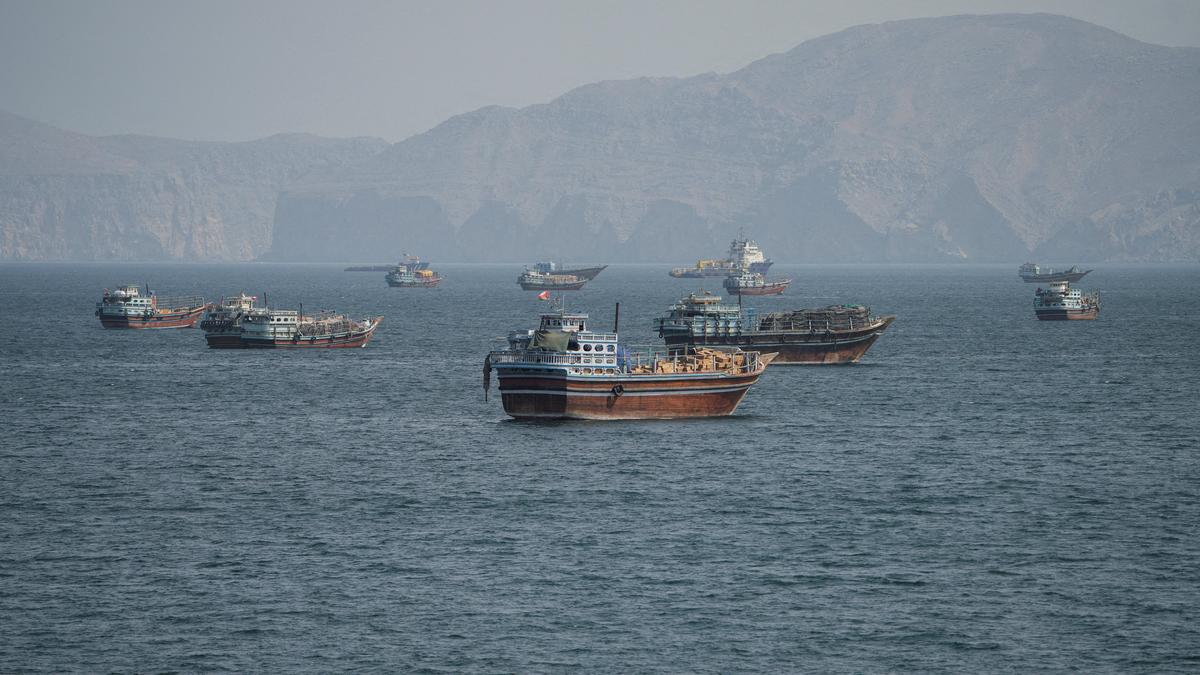
Iran Reports Four Tankers Ablaze as Hormuz Attack Accounts Diverge
Iran reports four tankers burning in the Strait of Hormuz, while separate accounts describe attached explosives and rescues, challenging US claims that shipping routes are clear.
29 sources · over 8 days