
Moderna Cancer Vaccine Data Leak Triggers Selloff Despite Positive Trial Results
Moderna and Merck's melanoma vaccine delivered positive late-stage results, but a data leak and falling shares have exposed a sharp divide between investors and cancer specialists.
By Hushread Stories, from 28 outlets · First published 26 Oct 2026 · Chapter 2 of 2
Earlier: Moderna shares plunge after cancer vaccine data leak unsettles investors
In brief
- Moderna shares plunged after partial data from its experimental melanoma vaccine trial appeared online before the full release.
- Moderna and Merck reported their personalized mRNA vaccine reduced cancer recurrence or death risk by 42% against standard treatment.
- Detailed results confirmed the melanoma trial met key endpoints, even as investors reacted negatively to the findings.
- Six melanoma specialists described the results as clinically meaningful for patients who had undergone surgery to remove cancer.
- Attention now turns to lasting protection against recurrence, possible approval timelines and how specialists might use the treatment.
Timeline · 6 moments
After trial presentation, focus shifts to expanding treatment impact
STAT News ↗Approval expected next year, according to new report
New Scientist ↗Melanoma specialists call results clinically meaningful after surgery
CNBC ↗Detailed melanoma results confirm trial met key endpoints
STAT News ↗Full trial results released after partial data leak
CNBC ↗Reported cancer vaccine data leak sends Moderna shares plunging
Forbes ↗How it started
Moderna's cancer vaccine results reached investors through a reported leak before the companies' planned scientific presentation. On October 22, MarketWatch reported that Moderna and Merck were expected to share Phase 3 data at a medical conference that weekend.
Expectations were already high. According to Forbes, optimism about the personalized cancer vaccine had helped fuel a large rally in Moderna shares during 2026. The reported leak brought a sharp reversal, with the outlet reporting a 25% plunge.
How it unfolded
On October 22, partial trial data leaked before the full results were released later that Thursday. CNBC reported that Moderna shares fell even though the complete findings appeared positive against Wall Street expectations ahead of the release.
The detailed results confirmed that the trial met key endpoints. STAT News reported a 42% reduction in disease recurrence risk compared with standard treatment. Associated Press also reported that the major trial showed a significant reduction in the chances of melanoma returning.
Some coverage gave conflicting figures. The Financial Times reported a 58% reduction in recurrence or death, while NBC News reported 42% for that outcome. The supplied reports do not explain that discrepancy, so those figures cannot be treated as interchangeable.
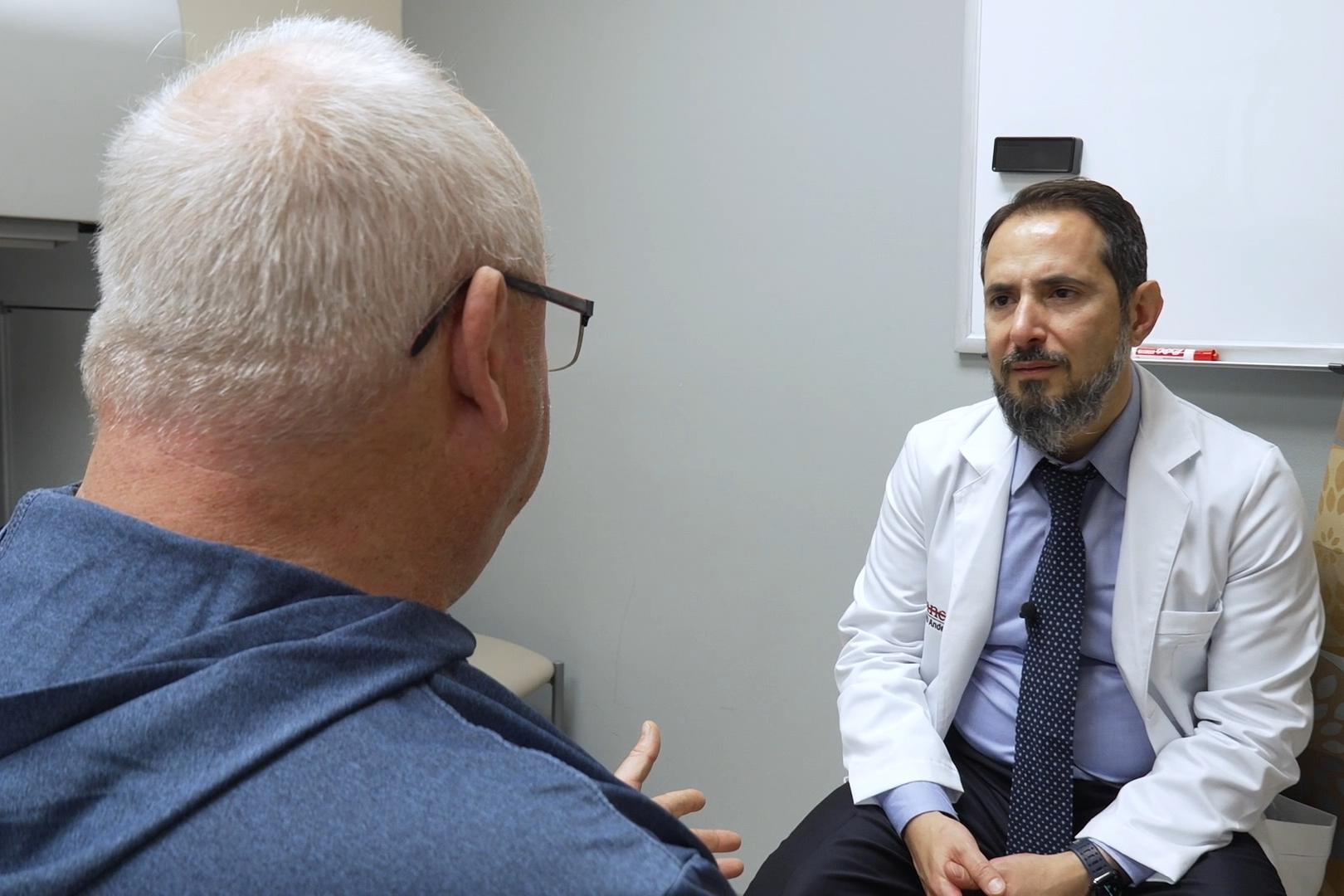
By October 23, the split between market reaction and medical assessment was clearer. CNBC reported that six melanoma specialists considered the results clinically meaningful for patients who had undergone surgery. Bloomberg likewise described doctors celebrating the findings while investors sold shares.
On October 25, attention was moving beyond the initial reaction. STAT News reported that, following presentation of the pivotal trial that weekend, discussion had turned to how melanoma specialists should use the customized treatment and expand its impact.
Where it stands
The reported leak and selloff have not changed the central clinical finding: the personalized mRNA treatment met key trial endpoints and improved melanoma outcomes, according to STAT News. These are treatment results in people with cancer, not evidence of a general vaccine that prevents cancer in healthy people.
The strongest common thread across the coverage is a 42% reduction in recurrence or death risk compared with standard treatment, as reported by NBC News. That is a reduction in risk, not a claim that 42% of all treated patients were cured.
The commercial verdict remains separate from the clinical one. Bloomberg reported that the findings did not persuade investors that a new era of cancer treatment had arrived, while the specialists interviewed by CNBC saw a meaningful advance for patients.
What to watch
Longer-term protection is a central question. MarketWatch framed the real test as whether the vaccine keeps cancer from returning over time, rather than simply how it compares with an existing treatment.
Approval timing and clinical use are also unresolved. New Scientist reported that approval was expected in 2027 in the US, Europe and the UK, but that is an expectation, not an approval announcement. The next practical question is how specialists would incorporate the treatment, a discussion already underway according to STAT News.
More in Health
All →
France Reports First Human Shamonda Virus Case After Patient Dies
The first known human detection challenges earlier assumptions about the animal virus, but French authorities say the severely immunocompromised patient's infection poses no general public health risk.
47 sources · over 4 days
Christina Applegate Says Her Multiple Sclerosis Diagnosis Was Wrong
Christina Applegate says she does not have multiple sclerosis, but her health has not improved, leaving her shocked and back at the beginning of her search for answers.
29 sources · over 4 days
Nigeria Ebola Case Prompts Investigation Into Possible Uganda Airport Link
Officials are investigating whether Ebola patients in Nigeria and Kenya crossed paths at Uganda's main airport, as the outbreak reaches West Africa and its transmission route remains unclear.
22 sources · over 4 days