
New Analysis Links Van Gogh's Starry Night to July 1889 Sky
Researchers say the painting matches the predawn sky around July 22, 1889, offering a specific astronomical reference that could revise assumptions about its creation.
By Hushread Stories, from 8 outlets · First published 22 Oct 2026
In brief
- New research links the sky in Vincent van Gogh's The Starry Night to a specific astronomical configuration.
- The proposed match is the predawn sky over Saint Rémy around July 22, 1889, according to the study.
- A South Korean research team put forward the new date for the sky depicted in the painting.
- The study, published in Scientific Reports, reports a match involving both observation and shape.
- A potentially misidentified constellation could affect the painting's proposed timeline, but the coverage does not establish its completion date.

Timeline · 4 moments
Constellation identification raises questions about the painting's chronology
Scientific American Content: Global Science ↗Predawn reference scene placed around July 22, 1889
Fanpage ↗Published study reports observational and shape correspondence
Phys.org ↗South Korean team proposes new date for painted sky
© Victoria Jones, AP ↗How it started
Vincent van Gogh's The Starry Night, painted in 1889, may depict a more specific sky than its swirling forms suggest. ABC describes the painting as a work believed to represent the sky over Saint-Rémy-de-Provence.
The new research tests that connection against an actual astronomical configuration. According to AP, a South Korean research team has proposed a new date for the night sky depicted in the painting.
How it unfolded
On October 22, 2026, Phys.org reported on research published in Scientific Reports that places the closest match around July 22, 1889. The proposed scene is the predawn sky over Saint-Rémy, rather than an unspecified nighttime view.
The reported correspondence involves both observation and shape, according to Phys.org. That makes the finding a claim about the configuration represented in the painting, not simply a suggestion that van Gogh drew inspiration from looking outside.
The same day, Scientific American Content: Global Science highlighted a potentially important part of the analysis: a misidentified constellation that could revise the timeline for the painting's creation. The supplied coverage does not identify that constellation or explain the proposed correction.
The reports differ in how precisely they state the date. Fanpage identifies July 22, 1889, while Phys.org describes the match as occurring around that date. The more cautious formulation leaves room for uncertainty about the exact morning.
Where it stands
The central finding is a proposed astronomical match for the painted sky. Popular Science also reports that the new analysis points to July, adding to the coverage of the study rather than establishing a separate, independent result.
A date for the sky is not necessarily a date for completing the canvas. The available coverage supports a proposed reference scene around July 22, 1889, but does not establish exactly when van Gogh painted each part of the work.
What to watch
The key open questions concern the constellation identification and how the proposed sky date fits the painting's creation timeline. Scientific American Content: Global Science says that identification could change the chronology, but the supplied reports do not explain the full implications or describe a scheduled next step.
More in Science
All →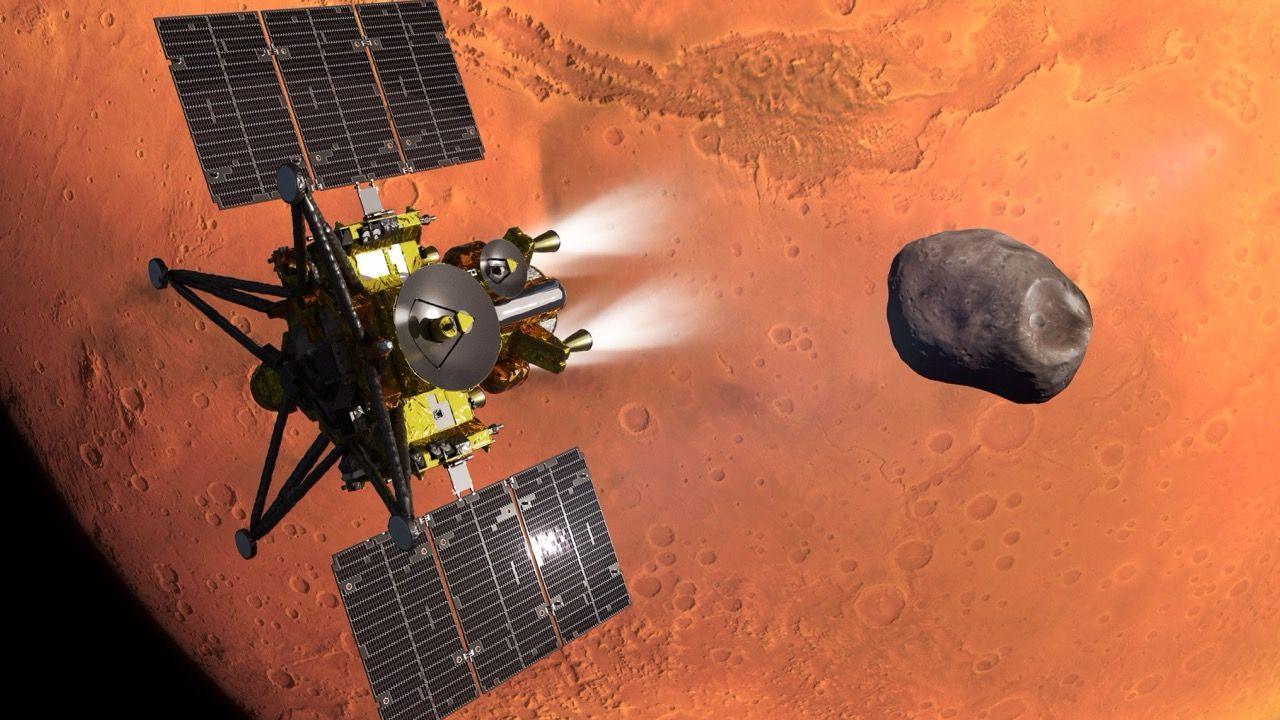
Japan launches first mission to return Martian moon samples
An H3 rocket carried the MMX probe from Tanegashima Space Center on a mission to explore Phobos and return samples by 2031.
48 sources · over 7 days
Amelia Earhart expedition ends after suspected plane wreckage proves to be trees
Researchers have left Nikumaroro without finding Amelia Earhart's plane, after investigating a satellite image anomaly that raised hopes of solving her 1937 disappearance.
19 sources · over 8 days
Margaret Hamilton, Who Led Apollo Software Development, Dies at 90
MIT has announced the death of Margaret Hamilton, whose leadership in Apollo software development helped make the moon missions possible and established her place in computing history.
23 sources · over 4 days