
Poland's court suspensions trigger protests and a presidential showdown with Tusk
The suspension of Constitutional Tribunal leaders has brought riot police to the court and prompted the president to demand their withdrawal and urgent political talks.
By Hushread Stories, from 41 outlets · First published 31 Oct 2026 · Chapter 3 of 3
Earlier: Poland's court crisis escalates as Nawrocki returns and demands urgent talks
In brief
- The suspension of Constitutional Tribunal president Bogdan Swieczkowski and his deputy has intensified Poland's dispute over judicial control.
- Riot police surrounded the Warsaw court as protesters gathered, with police reporting three arrests during the unrest.
- President Karol Nawrocki cut short an overseas trip and returned as the confrontation escalated overnight.
- Prime Minister Donald Tusk defended the court leadership's removal as an effort to restore the rule of law.
- The president has demanded police withdraw from the court and called urgent talks with political party representatives.
Timeline · 6 moments
President orders police to lift tribunal blockade
ABC ↗Nawrocki forces entry and seeks urgent party consultations
Adnkronos - ultimoratop ↗Police report three arrests during protests in Warsaw
Deutschlandfunk - Fortlaufende Nachrichten vom 24. August 2026 ↗Nawrocki abandons Africa visit while already in flight
South China Morning Post ↗Riot police deploy as protesters gather outside tribunal
Sky News ↗Judge orders suspension of tribunal president and deputy
Times now ↗How it started
The immediate trigger was the suspension of the Constitutional Tribunal's leadership on October 30. NDTV reported that two senior judges were suspended by a fellow judge. Times Now identified those suspended as the court's president and deputy, and said the judge who issued the order had been barred from hearing cases.
Accounts differ over how to describe the action. Infobae presented it as a decision by Donald Tusk's government, while NYT World News reported that judges backed by the current government suspended the chief justice. The supplied coverage does not resolve that distinction.
The underlying dispute is much older. According to Euronews, it began in 2015 with a clash between PO and PiS over five judicial appointments. Le Monde traced the current blockage to President Karol Nawrocki's refusal to receive the oath of judges elected by the lower house of parliament.
How it unfolded
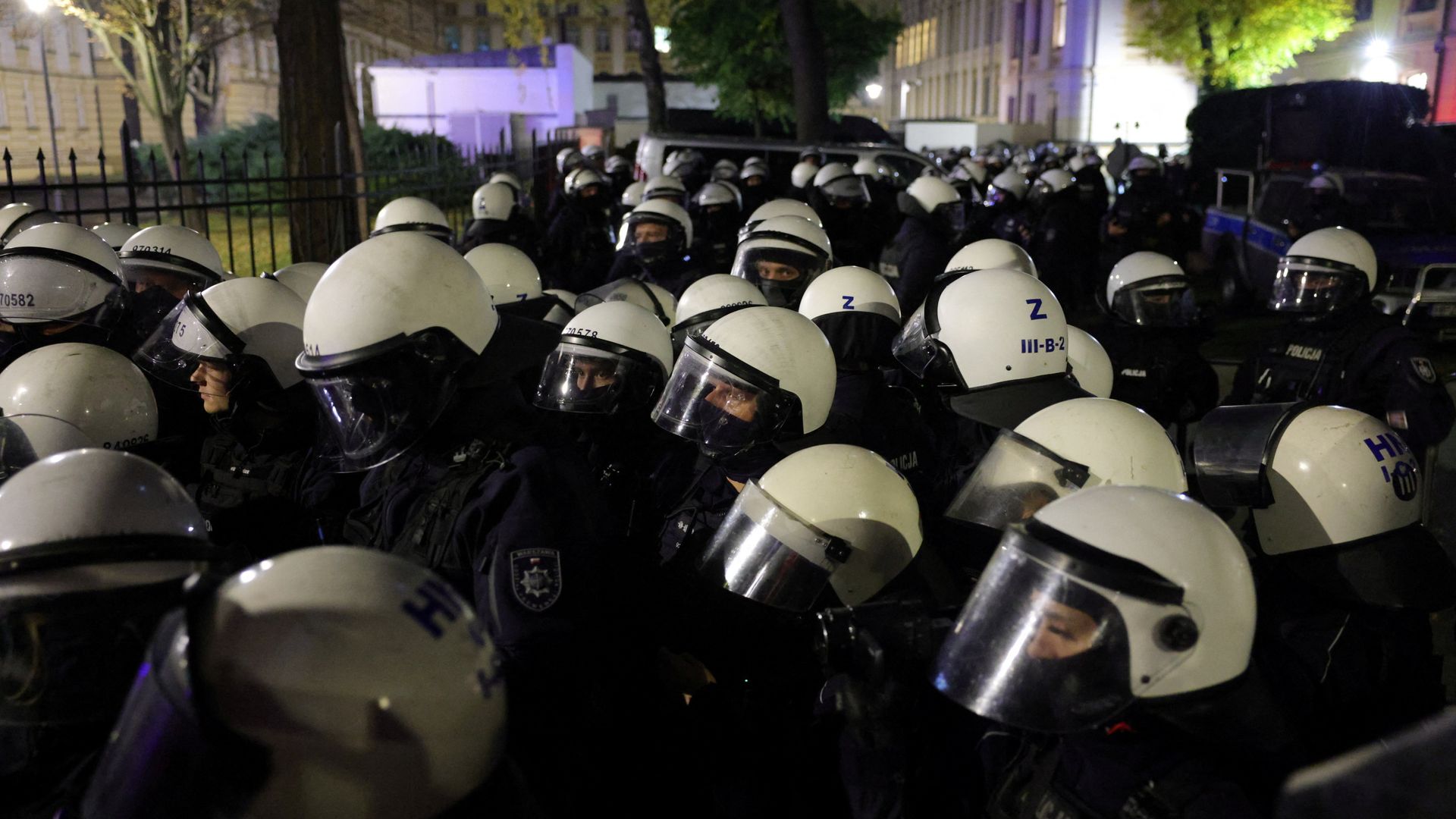
On Friday, October 30, riot police deployed around the Constitutional Tribunal in Warsaw as demonstrators protested the suspension. Sky News reported that hundreds gathered. Telegraaf reported that police refused the court's president access to the building.
Prime Minister Donald Tusk defended the removal of court president Bogdan Swieczkowski as a move to "restore the rule of law," according to Deutsche Welle. Opposition politicians accused his government of trying to take control of the judiciary, News18 reported. The court itself alleged a coup, according to GB News. That is an accusation, not an established finding.
Nawrocki called off a visit to Africa while already in flight, South China Morning Post reported. Sky News identified the destination as Senegal.
The confrontation continued overnight into Saturday, October 31. La Repubblica reported that protesters threw objects at police and climbed the court's fence. Deutschlandfunk, citing police, reported three arrests.
Nawrocki then forced his way into the court building and sought urgent consultations with political parties, according to Adnkronos. CNN Brasil reported that he accused the government of violating the constitutional order.
Where it stands
By Saturday, the dispute had become an open confrontation between the president and prime minister over the court's leadership and legitimacy. Nawrocki ordered police to lift the blockade and called for the restoration of legal order, according to ABC. ANSA reported that police remained stationed at the court as he called talks.
The two camps offer opposing explanations for the intervention. The government says it is restoring judicial independence after years of political interference, Al Jazeera reported. Opponents describe an unlawful takeover. The supplied reports do not establish a resolution to the suspensions or the dispute over judicial appointments.
What to watch
The immediate pending step is Nawrocki's urgent talks with political party representatives, reported by NDTV. Whether those talks produce an agreement on court access, policing or the suspended leadership remains unresolved.
Also unresolved is whether police will withdraw following the president's demand. Beyond the standoff outside the building, the appointment dispute described by Le Monde remains central to determining who can exercise authority inside the tribunal.
More in Politics
All →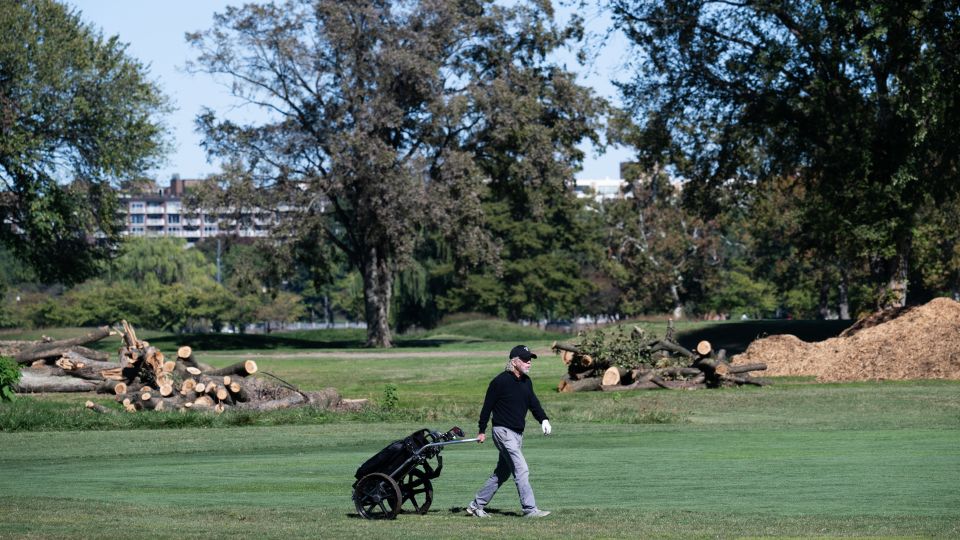
Judge Opens Misconduct Inquiry in Trump's East Potomac Golf Course Case
The dispute over tree removal has expanded into an inquiry into whether government officials misled the court, while the administration plans a November 15 closure.
19 sources · over 5 days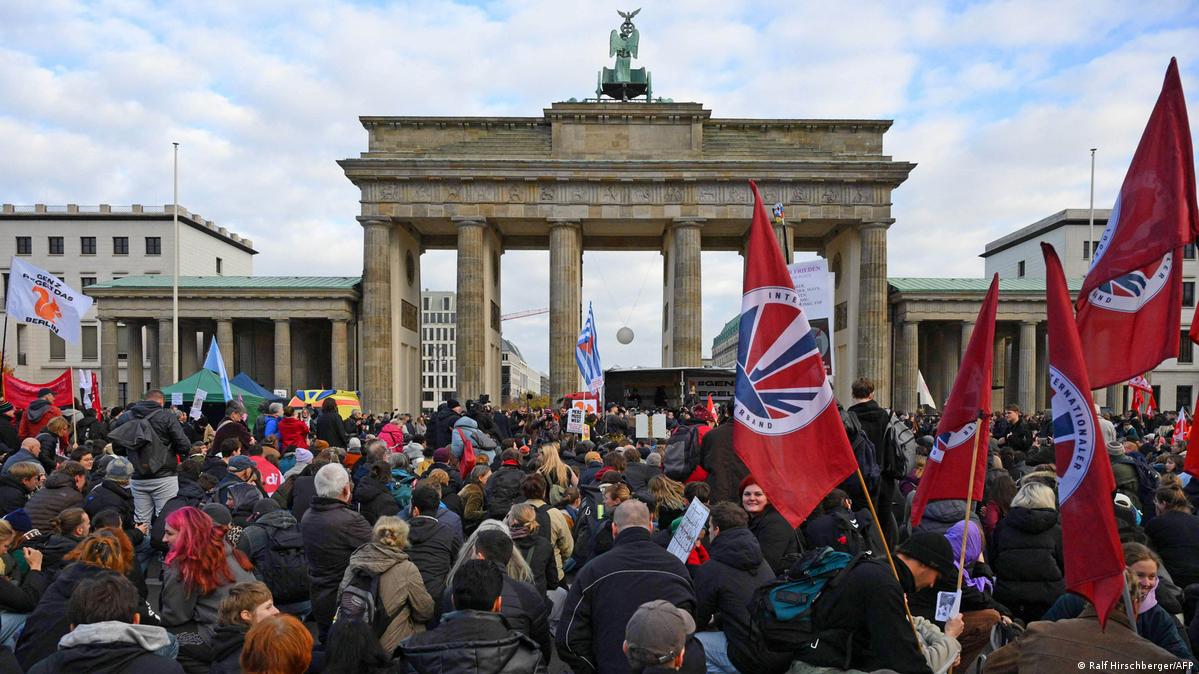
Germany's Gen Z Protests Draw Tens of Thousands, With Unrest in Cologne
Young Germans have taken demands for better education and affordable living onto the streets, testing a new movement whose organisers faced withdrawals and warnings about violence.
15 sources · over 6 days
Democrats Lead US Midterm Polls as Senate Control Remains Uncertain
Days before the November 3 elections, Democrats have a clear polling advantage, but close Senate races leave control of Congress uncertain as early voting continues.
32 sources · over 5 days